New law will force Georgia restaurants to disclose the origin of their shrimp
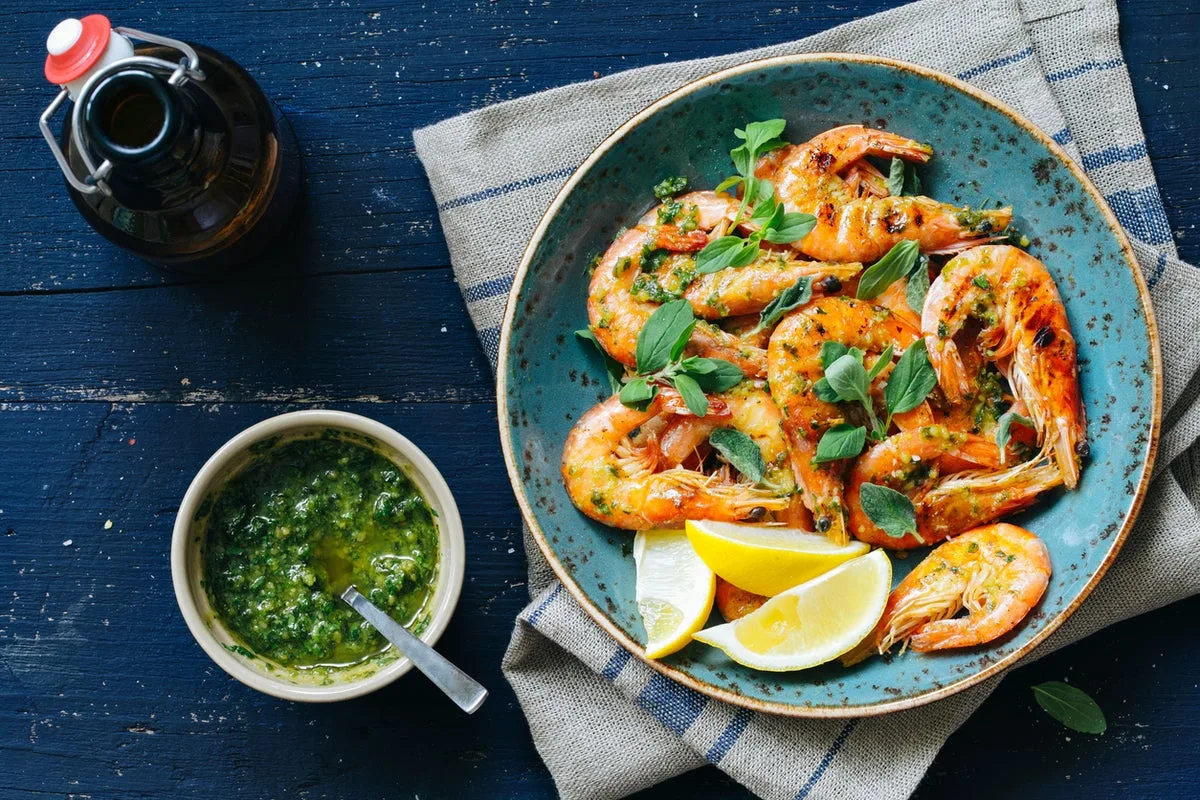
Coastal Georgia is renowned for its hospitality as well as for its shrimp -abundant estuaries and waterways. However, many dining spots along the coast do not source their seafood locally, while allowing patrons to assume that they do.
Cheaper foreign imports have flooded the seafood market in the United States, selling farm-raised shrimp at significantly lower price points and making it increasingly difficult for local shrimpers to compete effectively.
A new state law , House Bill 117, took effect on July 1 to address the issue. The bill requires all Georgia restaurants , excluding those operated by a state agency, to explicitly disclose whether the menu items they serve contain foreign imported shrimp.
Disclosures can be placed either on physical menus or on signs visible to the general public. While HB 117 has officially been signed into law, enforcement will not start until January in order to give businesses adequate time to prepare. Chefs and restaurant owners around downtown Savannah who serve imported seafood say they are in no particular hurry to update their menus.
State Rep. Jesse Petrea, who represents portions of Bryan and Chatham counties, sponsored HB 117. Petrea authored the measure with the clear intention of creating consumer transparency so buyers can make fully informed choices about the seafood they purchase.
"There’s a lack of information by consumers," said Petrea, "and what you discover, if you dig superficially, is that we have huge problems with foreign imports having a multitude of things that cause them to be sent back."
Data from the U.S. Food and Drug Administration (FDA) reveals that 94% of all seafood consumed in the country is imported, with shrimp serving as the nation's most widely consumed seafood item. Although federal oversight exists to ensure food safety, foreign shipments are occasionally flagged or recalled by the FDA as unfit for human consumption.
A high-profile case of seafood contamination that gained major mainstream media attention was dubbed "radioactive shrimp." In 2025, the FDA announced a recall of frozen shrimp imported from Indonesia after testing positive for Cesium-137 (Cs-137).
However, the goal of HB 117 goes beyond consumer safety, focusing heavily on keeping local Georgia shrimpers in business.
"If people think they’re eating domestic, as they usually do when they aren’t, then we have almost lost our entire shrimp and fleet," said Petrea. "And when we lose that, when America can’t feed itself, that’s a loss that you don’t just fix overnight."
Dockside restaurants are a main attraction on Tybee Island, Savannah and Brunswick, drawing in both locals and tourists with the full experience of Georgia’s marshes and rivers. With the sound of seagulls and the smell of salty air, diners at these dockside restaurants expect their dinner to come from the coast.
5News aggregated this summary from the outlet’s public feed. The full article, with all the context, is on www.independent.co.uk — the content belongs to The Independent World.