Voices: The world is burning – more air conditioning is not the answer to the climate crisis
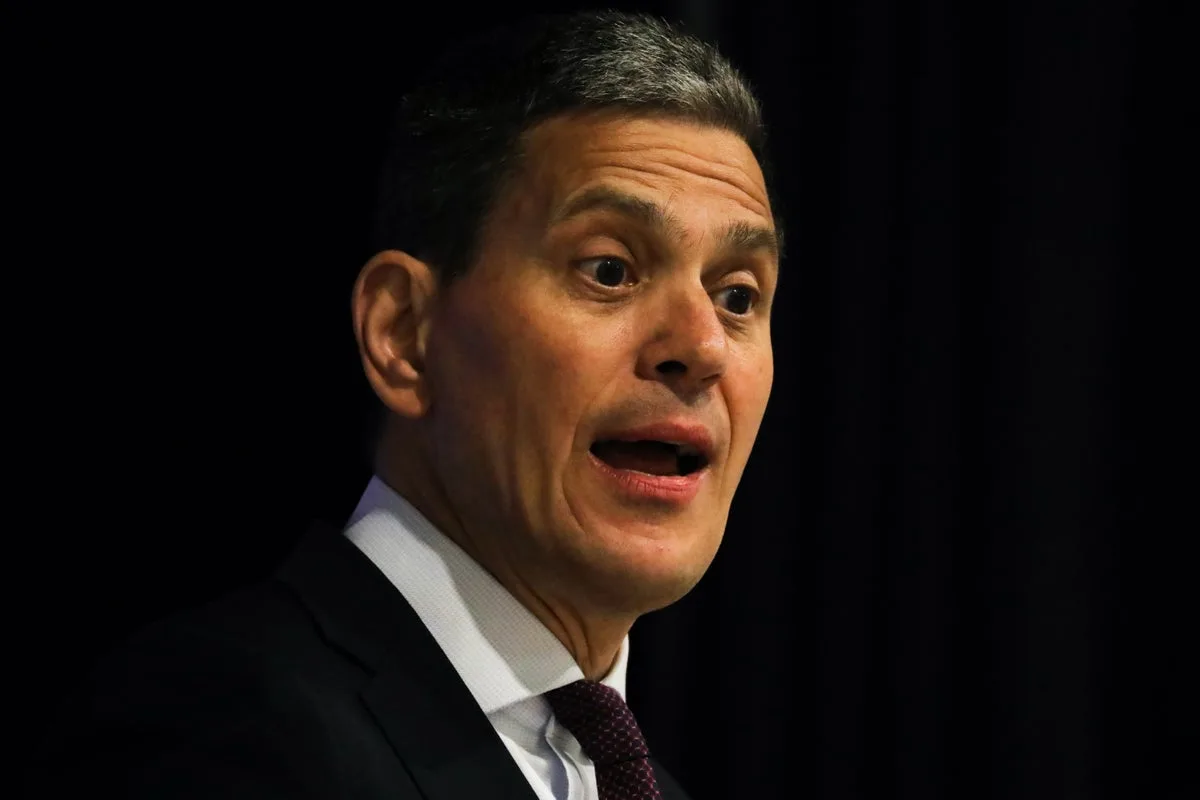
T he ministerial week of the United Nations General Assembly (UNGA) is meant to be the moment when the world comes together . Yet today fracture and fragmentation is dominant. Bad faith drives out good ideas. Hard power makes a mockery of international law. Even those with shared goals too often operate in silos .
This dynamic is especially dangerous when the world is more connected than ever before . And it is more egregious when the world has more resources than ever before. We are witnessing a catastrophic collapse of global leadership at the exact moment humanity has all the risks of hyper-connectivity and all the potential of untold capital.
My topic today addresses this dynamic. The twin and overlapping perils of war and climate change are breaking records . Yet political will, financial investment, and media attention have vanished.
When I was environment secretary in the UK twenty years ago, there was a fear that discussion of managing the effects of climate change (adaptation) meant going soft on preventing climate change (mitigation). But today, the failures and limits of mitigation mean we have no choice but to seek urgent mitigation and adaptation at the same time.
This year there has been more coverage, MUCH more coverage, of the need for air conditioning in Europe than of the drought in Afghanistan, or desertification in the Sahel, or food insecurity in Somalia. For the next 25 minutes, I will turn the tables. More air conditioning is not the answer for the people who I want to place centre stage today.
For these hundreds of millions of people, the question is not whether a house is comfortable, but whether a family has safe shelter. Not whether the train runs on time, but whether the harvest comes at all. Not whether water use is restricted, but whether there is any safe water to drink. And not simply whether temperatures rise, but how rising temperatures interact with conflict , poverty, and political fragility in ways that destroy the mechanisms people once relied upon to survive.
The threat of extreme heat in Europe is real and has its own death toll. But the facts are that the places most vulnerable to climate change are increasingly the same places afflicted by conflict and extreme fragility. The people living there have contributed the least to climate change. They didn't burn the fossil fuels, but their farms and herds live or die by rainfall in a way that a diesel-and-concrete economy does not.
Yet these are the people who get the least when it comes to funds for climate adaptation. And where there should be common cause of people and planet, there are different movements, different institutions, different funding streams, different systems. That is what we have to put right.
Today, 860 million people, nearly everyone living in a conflict-affected state, also lives in a country ranked in the top quartile of countries affected by climate vulnerability. In 2025 alone, 22 of the 30 countries most exposed to climate disasters were also torn apart by violent conflict.
5News aggregated this summary from the outlet’s public feed. The full article, with all the context, is on www.independent.co.uk — the content belongs to The Independent UK News.