Extreme weather shook outdoor live music this summer. What happens next?
I t was a moment Bright Eyes had worked towards for more than a year.
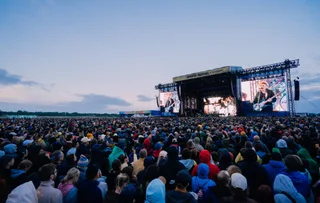
Over 10,000 noughties indie-folk fans turned out to watch the Omaha group, led by Conor Oberst , perform their revered twin albums ‘I’m Wide Awake, It’s Morning’ and ‘Digital Ash In A Digital Urn’ at a specially staged, 21st anniversary show at New York’s Forest Hill Stadium.
They got through half of it… and then the storm arrived.
Promoters called the band off stage, pulled the concert, and told fans to get to safety before conditions worsened.
For Oberst, it was painful deja vu.
A concert weeks before, at Red Rocks Amphitheatre, Colorado, had already been nixed due to an unseasonably heavy snowstorm.
“We’re still reeling,” Oberst wrote after being forced off stage in New York in June.
“We worked really hard for many months getting these 3 shows together, and 2 were affected by severe weather.
We’re feeling extremely defeated, sad, unlucky, maybe even cursed.
We lost money on the whole endeavor and, worst of all, didn’t get to complete what we set out to do.” Yet, Bright Eyes have been far from the only ones in this type of position.
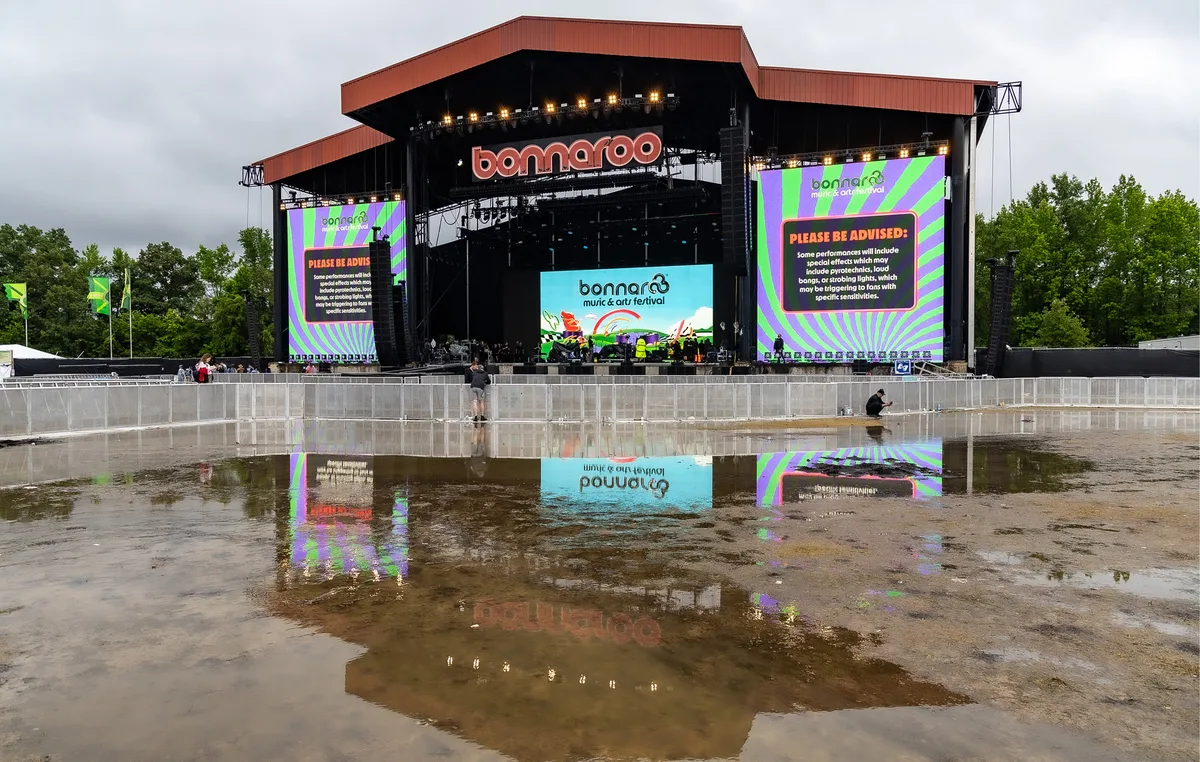
When it comes to disruption from extreme weather to outdoor live music, 2026 has been unrelenting.
Once extraordinary scenes have become worryingly familiar.
In July, a widespread heat dome event in the US preceded a severe period of wildfires – the toxic smoke from which cancelled shows by The Black Keys and Mavis Staples .
Dangerous air quality also kept metal-pop artist Poppy off stage at Upheaval Festival in Michigan, saying she was “unable to breathe” – her band played the set wearing respirator masks.
5News aggregated this summary from the outlet’s public feed. The full article, with all the context, is on www.nme.com — the content belongs to NME.