How does Sony's new Bravia 6 OLED TV compare to the LG C6 and Samsung S90H? Here's what we know
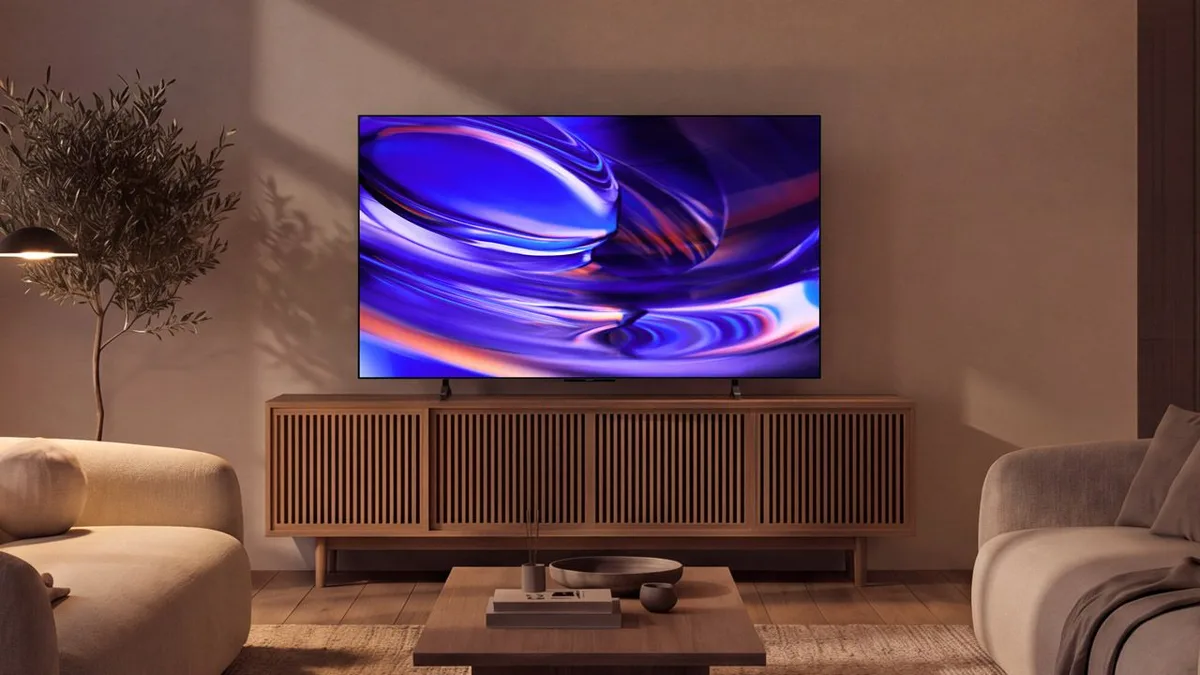
Sony unveils cheaper Bravia 6 OLED TV, available in sizes from 48 inches to 83 inches It has four HDMI 2.1 ports, Dolby Vision and Dolby Atmos Prices start from $1,300 (about £957 / AU$1,805), putting it against Samsung and LG's mid-range model, but its unclear if performance will match Sony has launched a new mid-range OLED TV, the Bravia 6.
As the numbering suggests, it sits below the Bravia 8 and Bravia 8 II OLED TVs and the Bravia 7 II and Bravia 9 II RGB LED TVs in Sony's 2026 TV range.
The Bravia 6 comes in five sizes, ranging from 48 to 83 inches, and includes the MediaTek Pentonic 800 chip, which means it has four HDMI 2.1 ports that support 4K 120Hz and variable refresh rate — unlike Sony's higher-end TVs, which only have two HDMI 2.1 ports each due to a quirk of chip choices.
The Bravia 6 also supports Dolby Vision, Dolby Atmos, DTS:X, auto low latency mode and HDMI eARC.
The strapline for Sony's marketing is "OLED essentials, now within reach", and with prices ranging from $1,300 to $4,000 in the US (international pricing is coming soon) the Bravia 6 is priced to fight it out with the LG C6 and the Samsung S90H.
So how do they compare? (Image credit: Sony) Sony Bravia 6 vs LG C6 vs Samsung S90H: key features As you'd expect from a new Sony, the Bravia 6 runs Google TV.
LG has its webOS system, and the Samsung runs Tizen.
There's essentially universal disagreement in the TV community over which of these is better, but they all support every major streaming service.
The Bravia 6 will come in five sizes: 48, 55, 65, 77 and 83 inches.
The LG C6 and Samsung S90H are both available in six: 42, 48, 55, 65, 77 and 83 inches.
Samsung's model has HDR 10+ while the Sony and LG have HDR 10 and Dolby Vision; all three have Dolby Atmos audio but the Sony also has DTS:X.
For gamers, the Sony has variable refresh rate based on the standard HDMI 2.1 spec; the LG has HDMI-spec VRR, plus, Nvidia G-Sync and AMD FreeSync Premium; and the Samsung has HDMI-spec VRR, G-Sync and FreeSync Premium Pro.
All three TVs support at least 120Hz 4K, but this is where it gets interesting.
The Sony only supports 120Hz at 4K, while the LG and Samsung both support 4K 165Hz maximum.
5News aggregated this summary from the outlet’s public feed. The full article, with all the context, is on www.techradar.com — the content belongs to TechRadar.