30 dead after Guinea landfill collapse from torrential rain landslide
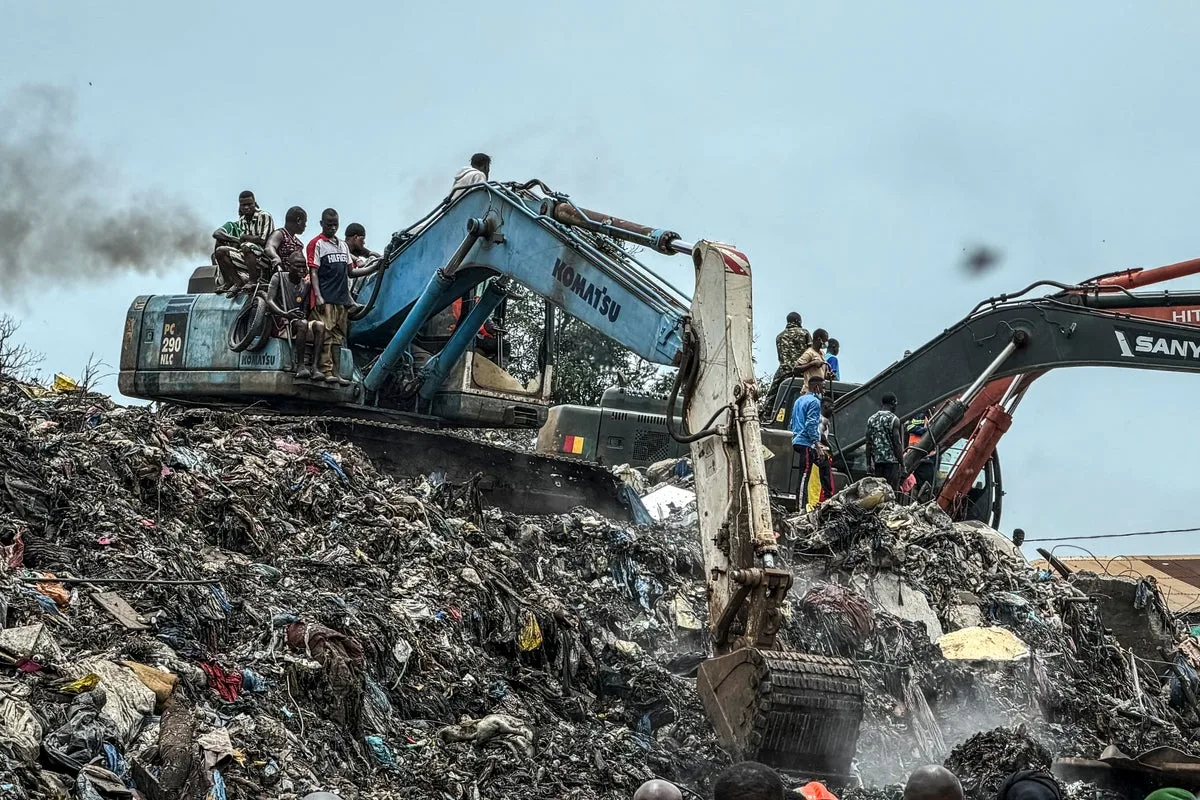
A catastrophic landslide at the primary landfill in c's capital of Conakry killed 30 people early on Sunday morning, according to an updated casualty toll released by the central government, after heavy rainfall caused a massive mound of waste to collapse onto surrounding homes.
Authorities reported that torrential downpours starting at approximately 2 a.m. (0200 GMT) swept through the Dar Es Salam open-air dump in the city's Gbessia commune, causing a large pile of refuse to collapse.
The resulting torrent of waste engulfed nearby tents, shacks, and precarious dwellings, destroying several houses.
Emergency personnel launched search and rescue operations to locate survivors, as officials confirmed six people were seriously injured and another 16 sustained lighter injuries.
Witnesses stated that the collapse was extensive enough to bury an entire apartment building alongside fragile homes.
Cire Diallo, a local woman who lost her five children in the disaster, told reporters: "I have lost all my children. All I can do is put my trust in God."
The open-air facility, the largest dump in Conakry, was set to close officially on Sunday, according to Lt. Col. Baldé Mamadou Bailo, the sanitation officer for the military engineering battalion.
Local residents in the area received official eviction notices instructing them to vacate, prompting many to leave, but several families remained when the disaster struck.
Visiting the scene, Dienabou Touré, the minister of territorial administration and decentralization, promised government assistance for affected residents.
"We will ensure that the remaining families are relocated elsewhere," she said. On Thursday, Touré had announced the decision to shut the dangerous landfill due to safety hazards amplified by the ongoing rainy season, noting that waste would be relocated outside Conakry.
While Guinea has the world's largest reserves of bauxite and the rich, untapped iron ore deposit at Simandou, where a massive mining initiative was launched in November, the West African nation suffers from poor infrastructure and widespread poverty.
According to a World Bank report published in April, approximately 3.7 million of the country's 15.1 million citizens live on less than $4.20 daily.
Join thought-provoking conversations, follow other Independent readers and see their replies
5News aggregated this summary from the outlet’s public feed. The full article, with all the context, is on www.independent.co.uk — the content belongs to The Independent World.