HPV home-testing kits: How do they work and will I get one?
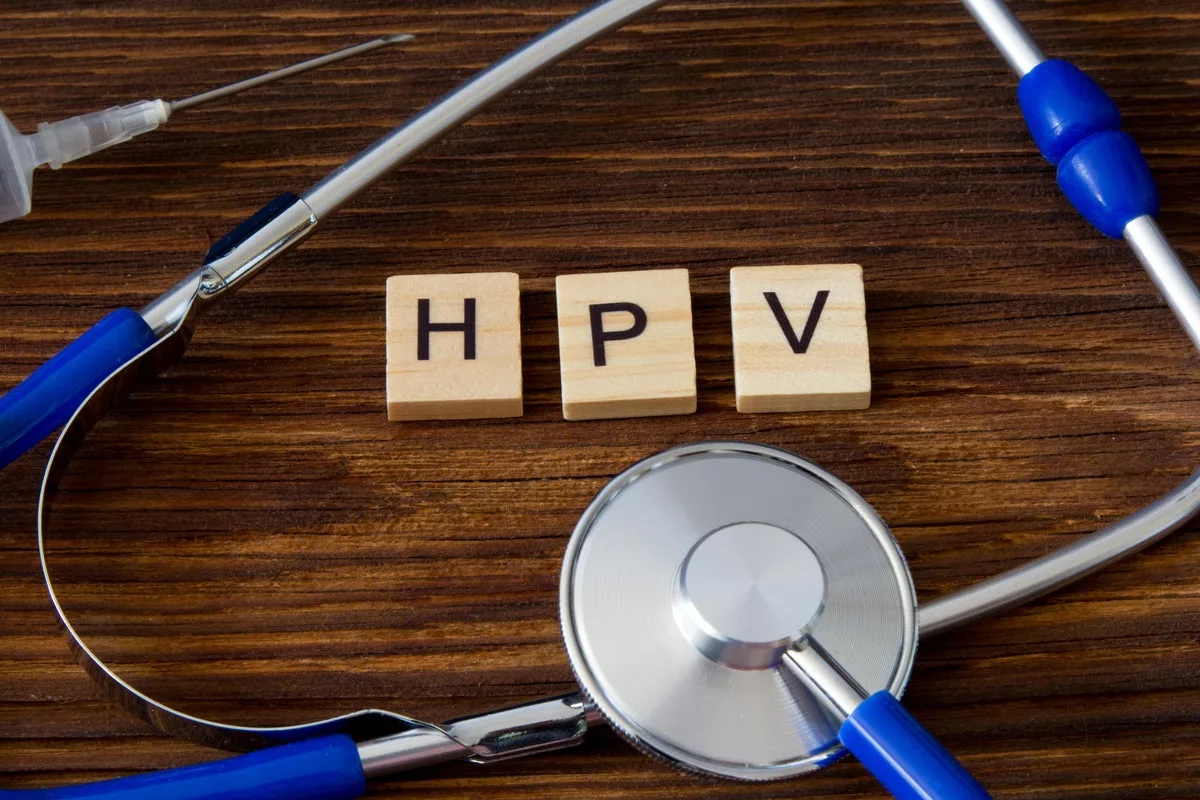
Millions of women in the UK who have missed cervical screening appointments will now be offered free at-home self-testing kits on the NHS.
The scheme offers a "discreet and convenient option" intended to persuade more women to undertake screening as almost a third of women are overdue for their appointment for life-saving cervical cancer screening – due to embarrassment, discomfort or simply not having enough time to attend.
Over the next year, nearly four million will receive invites to receive a free testing kit.
Included in each kit is a swab, which is used to collect a vaginal sample.
This is then returned to NHS laboratories without charge, where scientists test the sample for high-risk human papillomavirus (HPV).
Where high-risk HPV is found, patients will subsequently be requested to go to a clinician for a cervical screening appointment.
Normally, cervical screening is a ten minute appointment where a nurse or doctor will use a soft brush to collect a small sample of cells from your cervix.
This sample is then sent to test for HPV and if the virus is found the sample is checked for any changes in the cells of your cervix. These can be treated to help prevent cervical cancer.
HPV is a group of viruses which can be passed on through sexual contact. Some of these viruses can cause warts, some cause no symptoms at all and others increase the risk of cervical cancer.
Approximately 13 high-risk forms of the virus are known to cause 99.7 per cent of all cervical cancer cases.
There are around 3,300 new cases of cervical cancer every year, but rates of the disease have decreased by a quarter since the early 1990s.
About 70 per cent of cases are prevented through cervical screening, according to cancer research, and the HPV vaccine is cutting cases of cervical cancer by 90 per cent.
Women aged between 24 and 64 are invited for cervical screening every five years, or more often if HPV is detected.
Women who have missed their cervical screening appointments will be offered the free at-home testing kits.
5News aggregated this summary from the outlet’s public feed. The full article, with all the context, is on www.independent.co.uk — the content belongs to The Independent UK News.