Millions of people worldwide will contract measles in 2026. Here’s why
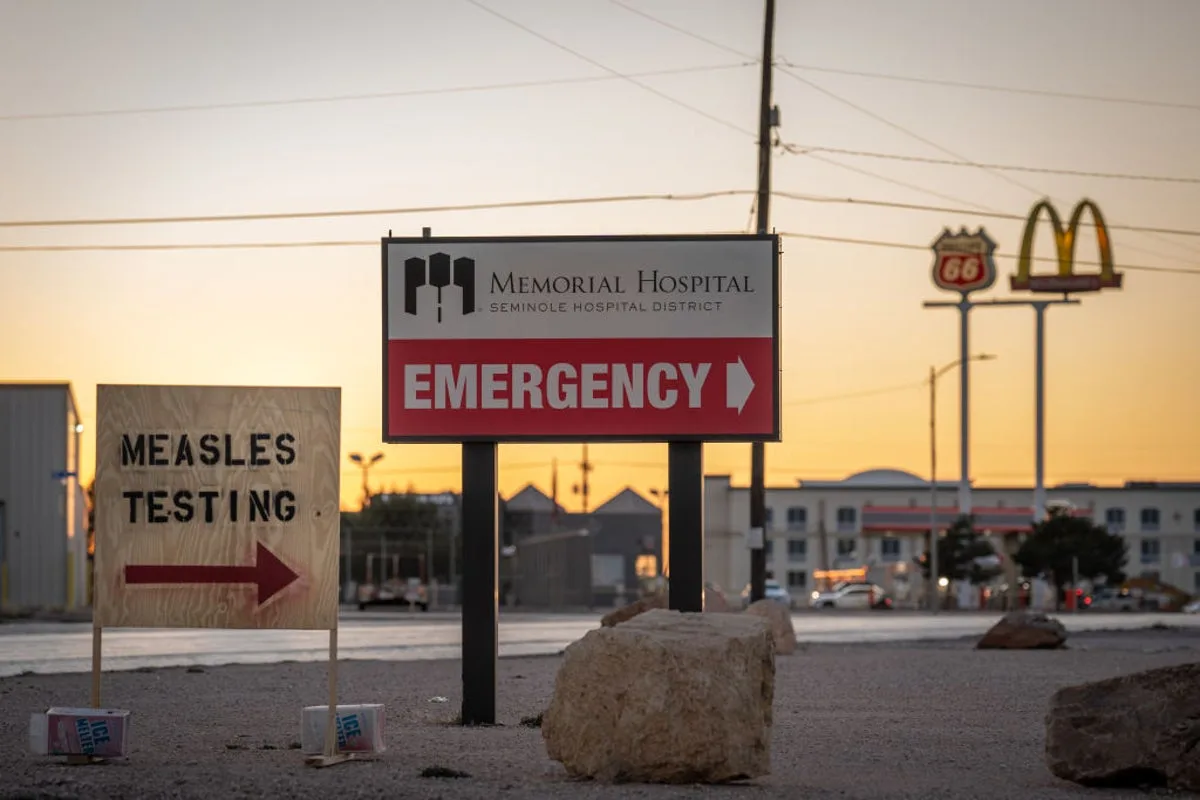
The World Health Organization estimates that in 2026 nearly 11 million people will contract the virus that causes measles. Most of these cases will occur in Africa and Asia, but many countries in the Americas and Europe are reporting outbreaks affecting hundreds or thousands of people.
There is no treatment for measles, but vaccines have been proven to be safe and effective at preventing the disease. Unvaccinated people who get sick with measles are at risk of serious complications that can lead to deafness, blindness and death. The risk of a bad outcome is higher for people who are undernourished and unable to access supportive medical care.
As an infectious disease epidemiologist, I study the reasons for changes in population health risks around the world. The specific factors leading to measles epidemics vary by country, but the underlying cause everywhere is decreased vaccination rates.
The vast majority of parents around the world want to protect their children from preventable infectious diseases through vaccination. In many lower-income countries, the supply of vaccines remains insufficient to meet the demand for them.
Because measles is highly contagious, the vaccination rate needs to be above 95% to protect a community from outbreaks, creating what is known as “herd immunity.” One dose of measles vaccine protects most people from the disease, but two doses are recommended to improve effectiveness.
Most high-income countries have measles vaccine rates near the 95% target. In Europe, the average one-dose vaccination rate is about 94%, and the two-dose rate is about 88%. In the U.S., more than 90% of 2-year-olds have received at least one dose of measles vaccine and more than 92% of kindergartners have received two doses. The vaccine coverage rate is above 95% in many communities, though it is much lower in some school districts.
In contrast, only about 80% of young children in low- and middle-income countries have received at least one dose of measles vaccine, and only about 70% have received two doses.
Almost every country had reduced access to vaccines during the early months of the COVID-19 pandemic, when supply chains and clinic access were severely disrupted. Most young children in high-income countries were able to catch up on missed doses before they reached school age. But in lower-income countries, millions of kids who missed routine vaccinations during the pandemic are still classified as “zero-dose children” who have not received any of the vaccines their countries recommend.
Only a tiny fraction of the cases of measles diagnosed in lower-income countries are confirmed with laboratory tests and reported to public health authorities, so it’s impossible to get an exact case count. But healthcare workers have reported observing higher than typical numbers of cases in many countries during the past year.
In 2026, measles epidemics have been reported in countries experiencing armed conflict or housing refugees displaced by war, such as Burundi, Democratic Republic of Congo, Somalia, Sudan and Yemen.
Outbreaks have also been reported in peaceful countries, including Maldives and Zambia, and cases are surging in India.
5News aggregated this summary from the outlet’s public feed. The full article, with all the context, is on www.independent.co.uk — the content belongs to The Independent Health.