Gaps in NHS end-of-life care ‘denying ill children chance to die at home’
Campaigners say some care boards in England flouting their legal duty, resulting in ‘cruel’ postcode lottery
Seriously ill children are being denied the chance to die at home because the NHS in many parts of England is flouting its legal duty to provide the care needed to make that happen, critics say.
The widespread failure to provide at-home end-of-life care is forcing children who want to die at home to instead do so in hospital. Campaigners have described it as “cruel”.
The postcode lottery in palliative care means some of the almost 89,000 under-19s in England who have a life-limiting condition may not get their wish to die at home. Medical advances mean their numbers have almost trebled since 2003-04, and the complexities of their illnesses have increased. About 1,600 die each year.
Nick Carroll, the chief executive of the charity Together for Short Lives, said: “It is shocking that children with serious illnesses are waiting to leave hospital because the health and care system is not taking responsibility for their community care. To deny families the chance to spend precious moments together at home before their child dies is simply cruel.”
He accused the NHS of neglect for not ensuring that all children who want to can die at home with specialist teams including doctors, nurses and therapists on hand during their final days. “Families have every right to be upset as they continue to be overlooked,” Carroll said.
The NHS’s 42 integrated care boards (ICBs) are legally obliged under the Health and Care Act 2022 to ensure such care is provided around the clock at home when a child is dying. But 15 (36%) of them do not commission such services, freedom of information requests by Together for Short Lives show.
Only 13 (31%) were able to show they were doing so. Ten (24%) were providing some but not all of the care they should, and three (7%) said they were still organising such care.
The lack of provision means very sick children are ending up having to seek help at A&E or be admitted to hospital, some of whom then die there rather than at home.
Carroll said: “Our research shows that many families, simply because they live in a certain area, may be denied the chance to have their child die in the safety and comfort of their own home because ministers and the NHS have failed to put the right care in place. That should shame us all.”
He blamed the situation on ICBs’ precarious finances and on their “widespread assumption that palliative care is primarily for older adults, despite thousands of children across England living with life-shortening and life-threatening conditions”.
He said while an early draft of the government’s forthcoming “modern service framework” for palliative care specifically mentioned babies, children and young people, that reference was not included in the most recent version.
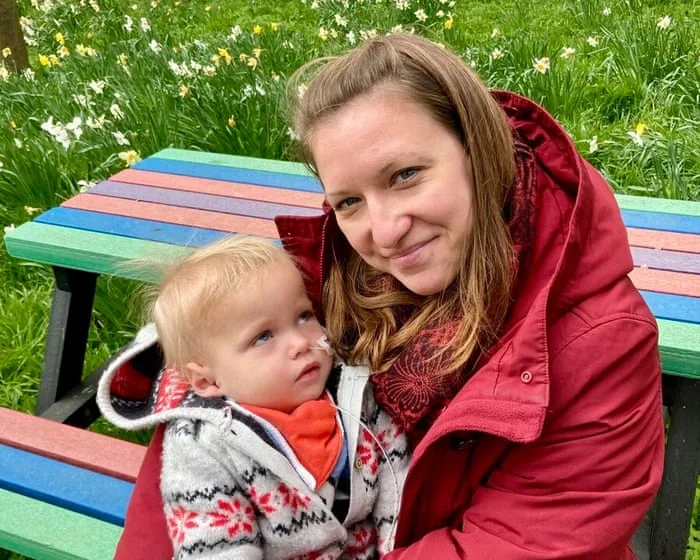
Sarah Buchan Cooke said it made a huge difference to the whole family when her son Dylan was able to die at home in January 2023, just before he turned four, after a long spell in hospital.
5News aggregated this summary from the outlet’s public feed. The full article, with all the context, is on www.theguardian.com — the content belongs to The Guardian UK.