Meta Glasses' light to indicate recording is 'not easily visible' says German government report
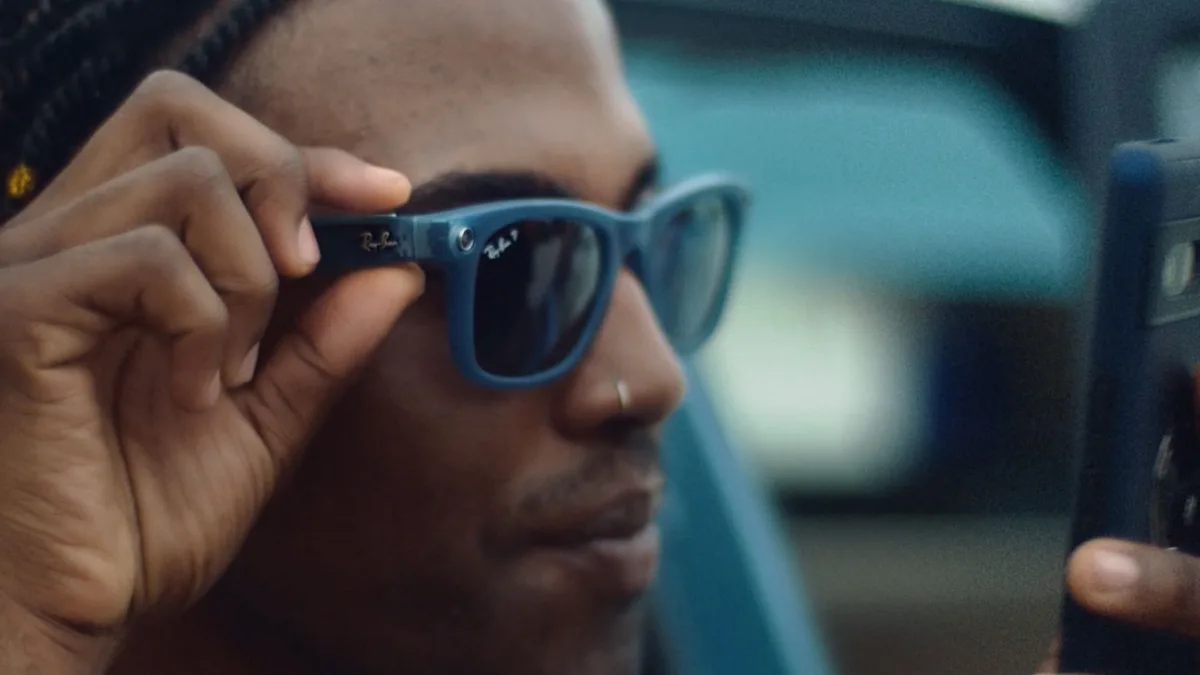
Meta's glasses can no longer record if the capture LED is covered at any time, says independent test But the light is too hard to see if you're not very close, says German data protection agency EU bodies recommend actively getting full consent from anyone recorded, not assuming it Detailed testing confirms that the Meta Glasses firmware update, designed to stop a potential privacy problem with surreptitious recording, does what it's supposed to do — but Germany's privacy enforcement agent says it's not enough, because the light itself is insufficiently visible.
The update was designed to address a simple exploit that bypassed the "no recording when the recording light is covered" feature.
In theory, that feature meant that it was impossible to secretly record someone or something by hiding the camera capture LED.
The glasses could detect if the light is covered, and wouldn't record if that was the case.
In reality, it was immediately defeated by the kind of people who've helped earn the 'pervert glasses' label for the smart glasses: they discovered that the glasses only checked the light at the very beginning of recording, so you could simply start capturing, cover up the light and keep recording with the light now hidden.
The new update prevents them from doing that by re-checking the light every few seconds — but privacy watchdogs say it doesn't make much difference: even uncovered, the capture light on current models isn't good enough when it comes to privacy, consent or potential illegality. (Image credit: Future / Cas Kulk) Why a little LED isn't enough to protect other people's privacy In a detailed report by the Hamburg Commissioner for Data Protection and Freedom of Information, which involved a tear-down of the Ray-Ban Meta glasses and a detailed privacy analysis (via Notebookcheck.net ), the Commissioner found that the LED light "is not easily visible in many environments, particularly outdoors and in direct sunlight".
Meaning that even if you're using them as intended, that doesn't mean people can necessarily see (or recognize) the recording light It's not just the lack of brightness.
The beam angle is very narrow too, the report says, and that means you need to be pretty close and looking almost directly at the wearer to be able to see if the light is on.
The report also notes that the second-gen glasses behave differently to the first generation when the wearer asks about something or someone nearby.
With the first generation, the LED "glows, very dimly".
But in the second generation it doesn't glow at all.
The report argues that in most cases, if you're not recording friends or family only, then you can't assume informed consent.
5News aggregated this summary from the outlet’s public feed. The full article, with all the context, is on www.techradar.com — the content belongs to TechRadar.