Which came first, Windows 95's taskbar or NeXT's Dock? Neither
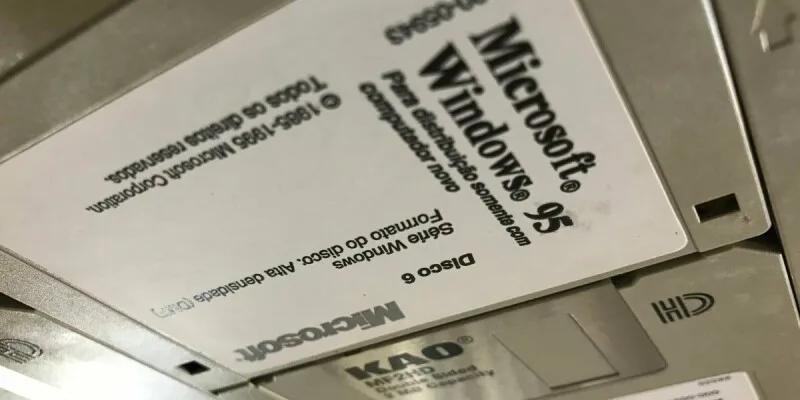
Last week marked the 31st anniversary of Windows 95 going on sale.
More than three decades later, suggestions about the influences behind its interface can still rile some of the people who built it.
The Reg FOSS desk prompted spirited responses from several former Microsoft employees after noting possible British influences on NeXTstep and Windows 95.
The exchange began with a passing comment in an X thread started by former Microsoft engineer Dave Plummer, who has spoken regularly to The Register since at least 2020.
Former Microsoft executive Joe Belfiore responded: The NeXT dock did NOT lead to the taskbar.
Two things did: 1) Cairo team had been designing an always visible, bottom-of-the-screen "tray" .. which was a drop target for files, text-content, etc… to facilitate easy transfer of stuff from one place/app to another…. — Joe Belfiore (@joebelfiore) August 25, 2026 Belfiore's post has already inspired at least one article examining the taskbar's origins.
The claim attracting the rebuttals comes from Paul Fellows, who led Acorn's original Arthur project.
Its codename reflected the team's optimistic schedule: A Risc by THURsday.
In 2022, this vulture moderated a discussion between four members of the original Acornsoft team.
Organized by ROUGOL, the RISC OS User Group of London, the event marked the operating system's 35th anniversary.
It was also covered by Acorn news site Icon Bar, named after the most distinctive element of Acorn's desktop.
The Register subsequently published highlights from the discussion, including Fellows' views on Arthur's influence on NeXTstep and Windows.
Fellows told us: "I found this page I was very pleased by: 'Apple acquired the Dock from Steve Jobs' NeXTstep OS, which stole it from Acorn's Arthur Operating System of 1987.' "Damn right it did! Tragically, you couldn't patent software at that point.
So this was the one I invented: I came up with the idea of the icon bar across the bottom.
5News aggregated this summary from the outlet’s public feed. The full article, with all the context, is on www.theregister.com — the content belongs to The Register.