Will plug-in solar panels affect your home insurance? An expert explains what you should know before fitting them
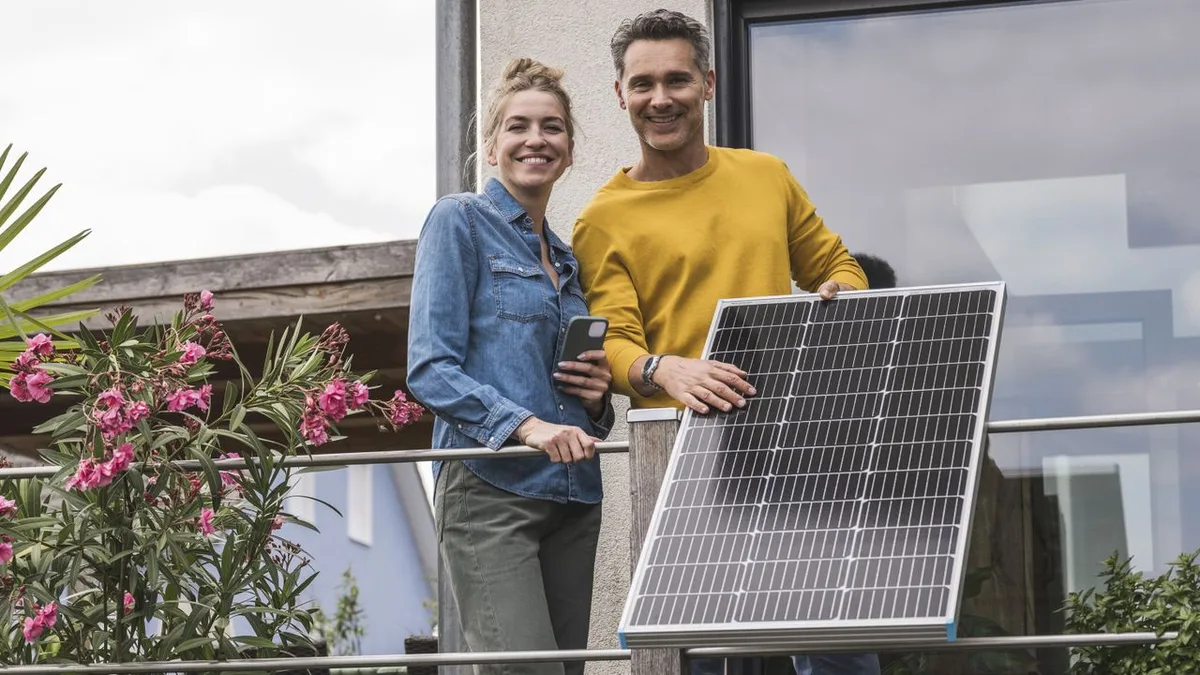
Plug-in solar panels are now legal in the UK, and they could have a real impact on your energy bills, but before you install them, you should know what impact they're likely to have on your home insurance.
The panels themselves are very easy to fit (see our complete guide to plug-in solar for more details), but it's worth taking the time to research all the effects on your home before buying your own.
To find out more, I spoke to Nathan Blackler, home insurance and utilities expert at Go.Compare .
He explained that plug-in solar is new technology that insurers don't really have enough claims data on to price against, but says his main advice is to disclose any products and installations to your insurer, and check the policy documents to ensure there are no exclusions for your planned setup.
Will your insurance premium rise? Blackler says that you might see a slight rise in your insurance premium after fitting plug-in solar panels, but it isn't guaranteed.
"Because plug-in solar panels add to the total value of your property’s assets, your coverage limits may need to be adjusted," he says.
"However, some insurers may simply note the addition of the system on your file without charging you extra.
"The most important thing is keeping the insurer informed and ensuring there's nothing in your policy docs with your existing insurer excluding the use or installation of such systems." Will your plug-in solar panels be covered? Plug-in solar panels are a big investment (you can expect them to pay for themselves in three to five years ), so you'll want to be sure that they're covered by your insurance.
"Yes, they are generally covered, but typically under your contents insurance rather than buildings insurance, as they are classified as portable equipment rather than permanent fixtures," says Blackler.
"However, coverage is strictly dependent on disclosure.
Because plug-in panels feed energy directly into your home's electrical circuit, you are fundamentally adding a mini power station to your property.
If you fail to tell your insurer about the installation and later suffer an electrical fire or fault, your policy could be invalidated." How do they differ from traditional roof-mounted panels? According to Blackler, from an insurer's perspective, the risk profiles for conventional roof-mounted solar panels and plug-in panels are completely different.
"Traditional roof-mounted solar panels are permanent structural fixtures (covered under buildings insurance) that require installation and sign-off by MCS-accredited electricians," he says.
5News aggregated this summary from the outlet’s public feed. The full article, with all the context, is on www.techradar.com — the content belongs to TechRadar.