NATO prevented Russia from cutting a critical undersea cable using a tool that leaves no 'traceable fingerprints' on fibre-optic wires — 1,400km long lines are part of NASA's Near Space Network
NATO disrupted Russia’s Arctic cable exercise before the reported weapon could be deployed Russian submarines rehearsed attacks that could leave little evidence afterward Two 1,400km cables connect Svalbard with mainland Norway beneath Arctic waters NATO allies disrupted a Russian naval exercise near Svalbard after detecting preparations involving a secret device intended for damaging subsea communications infrastructure.
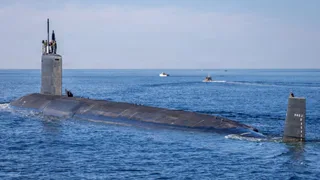
British, Norwegian and American forces confronted vessels linked to Russia’s deep-sea research directorate during exercises conducted in Arctic waters this spring.
The reported operation did not damage any cable, but officials said the equipment could remove evidence that would identify its use after an attack.
NATO confronted Russian vessels during Arctic cable exercise The equipment was reportedly being tested by GUGI, a Russian military organization responsible for specialized underwater operations and deep-ocean missions.
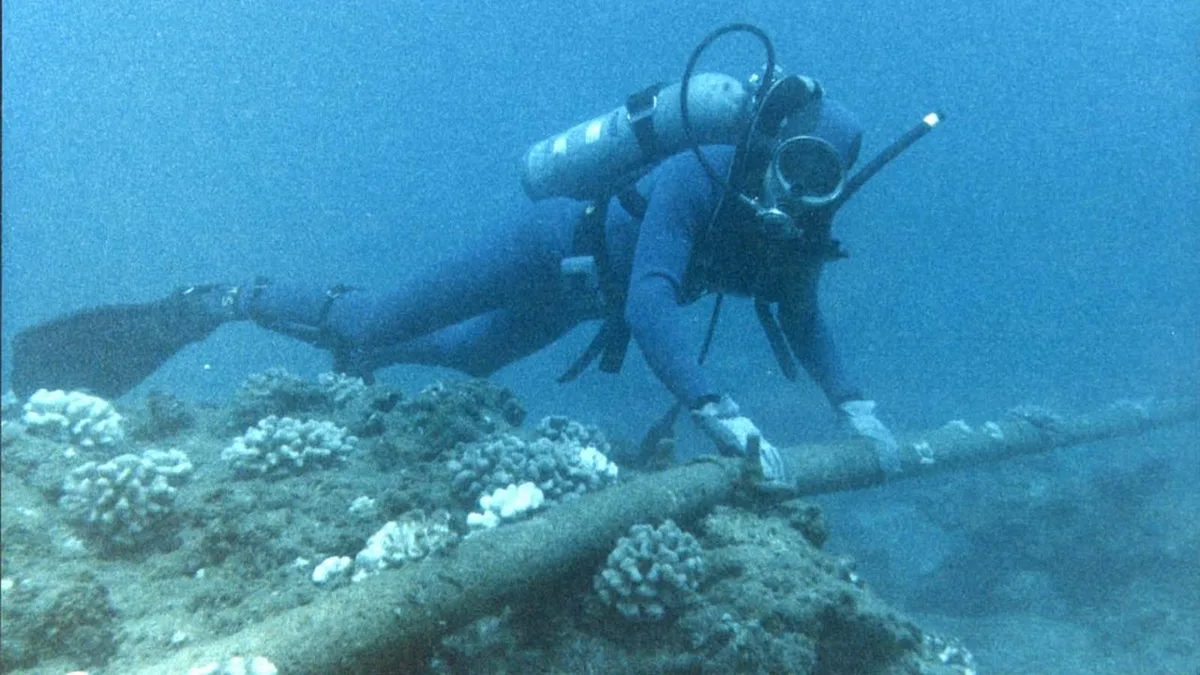
Officials said the device could cut communications lines while leaving little physical evidence capable of connecting Moscow to the incident.
The confrontation occurred near Svalbard, where two fiber-optic cables extend for about 1,400km and descend roughly 2,700 meters underwater.
Those lines support data transfers from SvalSat, a major satellite ground facility that also serves NASA’s Near Space Network in orbit.
The cables are only around garden-hose thickness, yet they support services carrying enormous quantities of information between the Arctic territory and Norway.
Norway is developing another connection involving Svalbard and Jan Mayen, with completion expected during 2028 under its current infrastructure plans.
The location matters militarily because vessels from Russia’s northern naval facilities must cross the Bear Gap when entering Atlantic waters.
That passage spans roughly 400 miles, making nearby infrastructure significant for communications and surveillance across the wider High North region.
Why NATO is concerned about the cable-cutting capability Western intelligence officials have become increasingly concerned that Moscow could expand covert disruption against critical infrastructure across Europe’s vulnerable networks.
Three American officials told Reuters that subsea communications lines could feature in a future attempt to test NATO’s collective-defense commitment.
CIA Director John Ratcliffe travelled to Moscow in August for discussions that included warnings about escalating sabotage activity in Europe.
5News aggregated this summary from the outlet’s public feed. The full article, with all the context, is on www.techradar.com — the content belongs to TechRadar.