Why do dogs and cats get the zoomies? The science behind the sudden bursts of energy
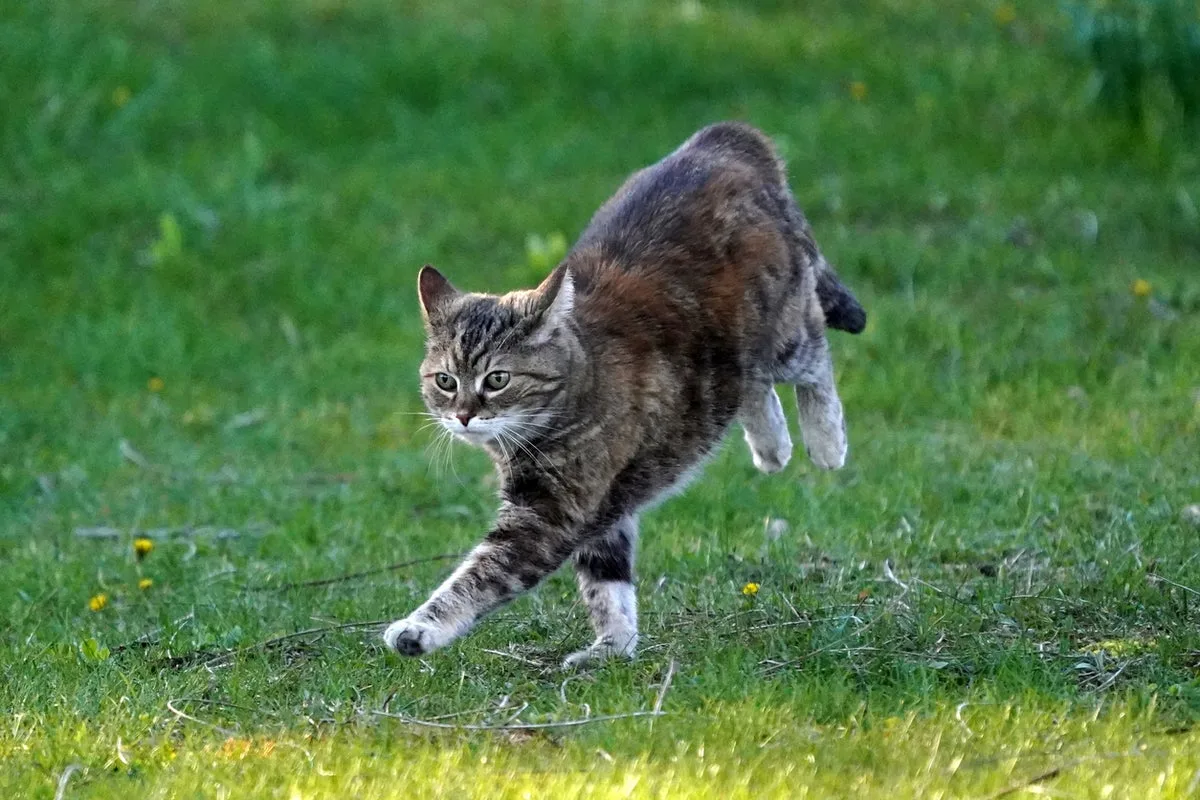
Does your cat or dog suddenly get a burst of energy and perform athletic feats around the house that would make even a gold medallist jealous? Welcome to the world of zoomies.
Zoomies involve intense periods of high-energy activity including running, spinning, jumping and rolling. All at top speed.
A proposed scientific name is frenetic random activity periods (FRAPs). In rabbits these high activity periods are called “binkies”. But many cat and dog owners simply call them “zoomies”.
So why do our animals experience the zoomies? And is it something we should be worried about?
You might see post-bath zoomies, dog park-zoomies, midnight-zoomies and good ol’ out-of-nowhere zoomies.
In cats, a commonly reported trigger is using the litter tray. This may be explained by “poo-phoria”, a feeling of euphoria following defecation. This is possibly caused by large bowel movements stimulating the vagus nerve, resulting in positive feelings and a drop in heart rate and blood pressure.
Zoomies can be characterised as play as the two behaviours share many of the same characteristics. This would make zoomies intrinsically pleasurable – in other words, a whole load of fun.
If the zoomies are occurring as part of your animal’s regular play routine, this indicates your animal is happy and enjoying themselves.
While we don’t yet know if zoomies are more likely to occur at certain times of the day, or more in some breeds compared with others, we do consider them a general indication of a high level of excitement – and likely a pretty good mood.
Humans are animals too and some people also experience what could be similar to the “zoomies”.
Ever get a sudden feeling of intense excitement and spare energy? Maybe you’ve felt the need to jump, shake or dance, before it wears off and you’re back to your regular settings.
This can be caused by a multitude of things – an exciting or novel situation, a spike in energy after a extended period of resting or perhaps a change in your inner chemistry. Perhaps you got a rush of adrenaline caused by excitement, over-stimulation or stress.
It’s important to remember animals are individuals and, just like us, why they behave the way they do is complex and multifaceted.
When assessing your animal’s behaviour, it’s essential to also assess the context.
5News aggregated this summary from the outlet’s public feed. The full article, with all the context, is on www.independent.co.uk — the content belongs to The Independent Health.