Powering the AI revolution: Inside the grid, thermal, and interconnect challenges limiting data center growth
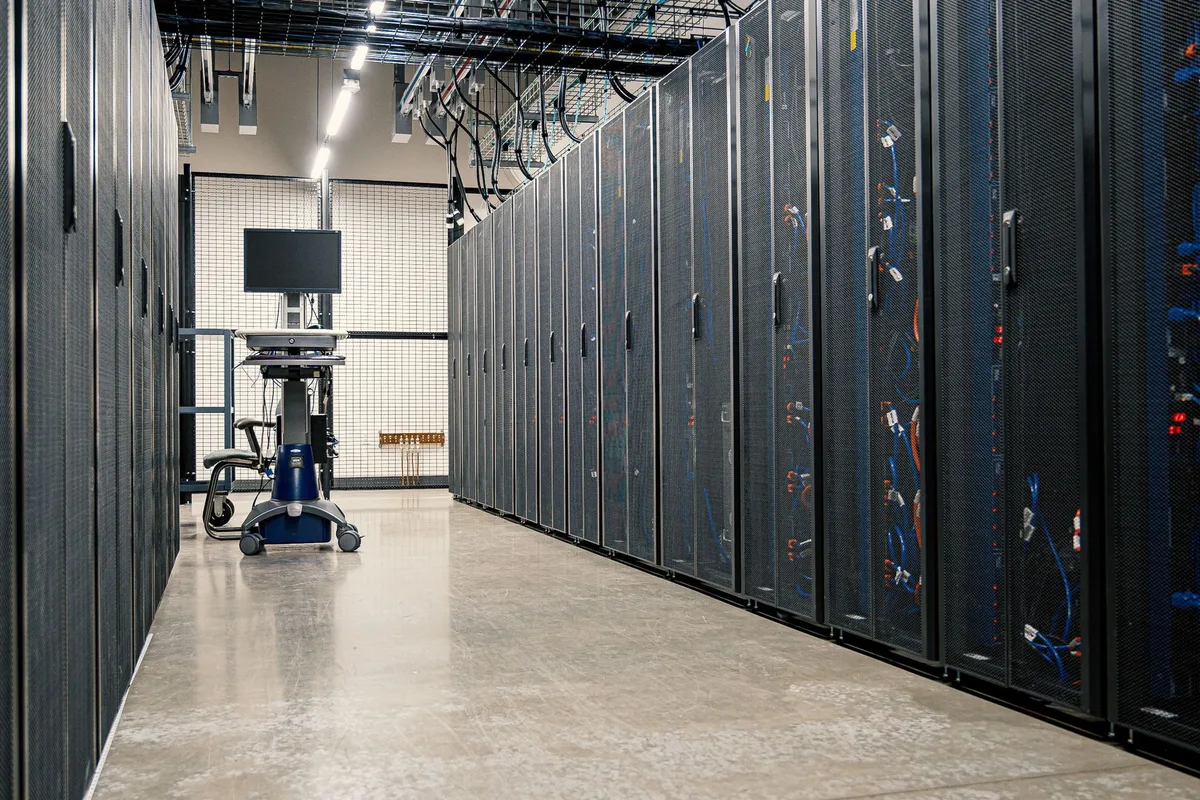
The AI boom is quickly reaching the physical limits of grid capacity and thermal dissipation.
The electric grid is stretched as ever, causing longer connection waits for AI data centers, and conventional air and liquid cooling systems struggle to meet the demands of rapidly growing facilites.
As they continue growing at a rapid pace, AI data centers now face a mix of challenges, from computing power outpacing GPU interconnects’ data transfer abilities, to volatile load swings stretching grid power factor correction (PFC) systems and rack power density overloading traditional cooling systems.
Let’s break down the major thermal and electrical bottlenecks slowing the AI boom and how companies are innovating their way out.
The thermal wall (Rack-level friction) Standard server racks generate a lot of heat, and high-performing GPU clusters generate even more, pushing thermal limits further than ever.
Modern GPU racks exceed 50 to 100 kW of power consumption per cabinet, making traditional air and liquid cooling methods insufficient.
Standard cooling systems keep clusters operating between 65 and 85 degrees, but 90 to 100 degrees trigger performance throttling to prevent permanent GPU damage.
With GPU racks drawing massive electrical energy, which converts into heat, preventing them from hitting throttling limits has become harder than ever.
Traditional air cooling systems weren’t built for rack densities surpassing 30 to 40 kW, which AI clusters easily surpass, with 100 kW or more becoming the norm.
Maintaining airflow at high densities to cool 100 kW+ power racks requires running power-hungry fans at extreme speeds.
This saps electrical energy and worsens the Power Usage Effectiveness (PUE) for the data centers.
To cool mega AI clusters with air alone, operators would need “hurricane-grade” airflow, which is impractical.
Then how about liquid cooling? Liquid cooling relies on fluid mechanics, where cold plates use microchannels to force turbulent flows directly over chips to keep them cool.
Keeping enough volume of fluid flowing through these microchannels requires massive pumping power, an increasing constraint for data center operators.
5News aggregated this summary from the outlet’s public feed. The full article, with all the context, is on www.techradar.com — the content belongs to TechRadar.