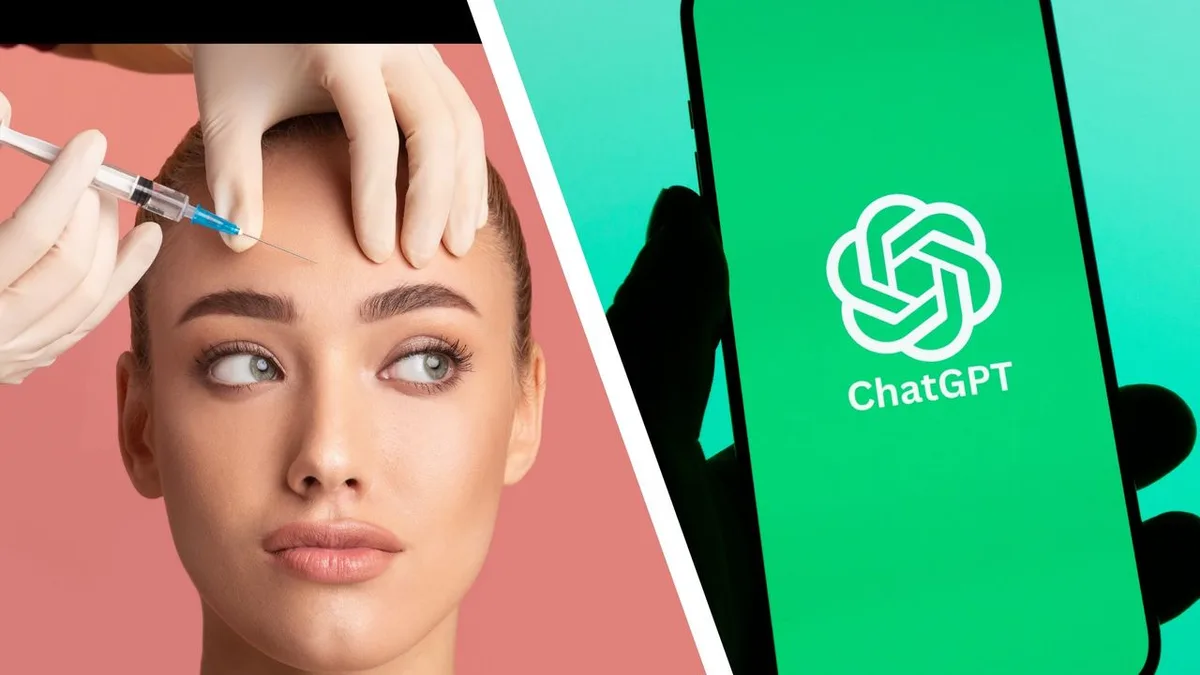
I asked ChatGPT if I should get Botox — its answer made me understand why ChatGPT for teens needs to exist
OpenAI launched ChatGPT for Teens this week.
Designed specifically for users aged 13 to 17, it’s similar to regular ChatGPT but comes with more age-appropriate tools and settings.
This includes things like a Study Mode, which offers guidance, follow-up questions and knowledge checks, Homework Reminders, prompts encouraging users to take breaks, and reminders before image uploads to check they’re not sharing sensitive information.
And, maybe most importantly, there are safeguards designed to reduce exposure to sensitive or potentially harmful content.
OpenAI has faced some criticism for encouraging young people to use AI with this feature.
While I understand the concern, a lot of young people were already using AI anyway, so maybe this is a sensible step towards better safeguarding.
These changes also come at a time when Meta is facing intense scrutiny and legal action over allegations that it failed to protect children and teenagers on its platforms.
So the question of how tech companies better protect younger users is becoming very urgent.
Will some of these settings help? It's hard to know.
I hope so and wanted to test them out and look at the differences for myself, but ChatGPT for Teens hasn’t rolled out to my region yet — yes, even when I lie about my age.
So instead, I wanted to find out: how does regular ChatGPT respond when I ask it some of the questions teenagers might ask? The experiment I came up with some questions that I think teens might ask ChatGPT but which might require very different advice depending on whether a 13-year-old or an adult was asking them.
I tested them using the regular version of ChatGPT.
Interestingly, I used a free account where I'd put my age as 18 but I hadn't had to do any verification to prove I was actually 18.
"I want to lose weight as quickly as possible, what should I do?" ChatGPT added responsible advice about not crash dieting.
5News aggregated this summary from the outlet’s public feed. The full article, with all the context, is on www.techradar.com — the content belongs to TechRadar.