‘Being heard and accepted, even by a machine, can be meaningful’ — I asked a therapist if other countries should restrict AI companions like China
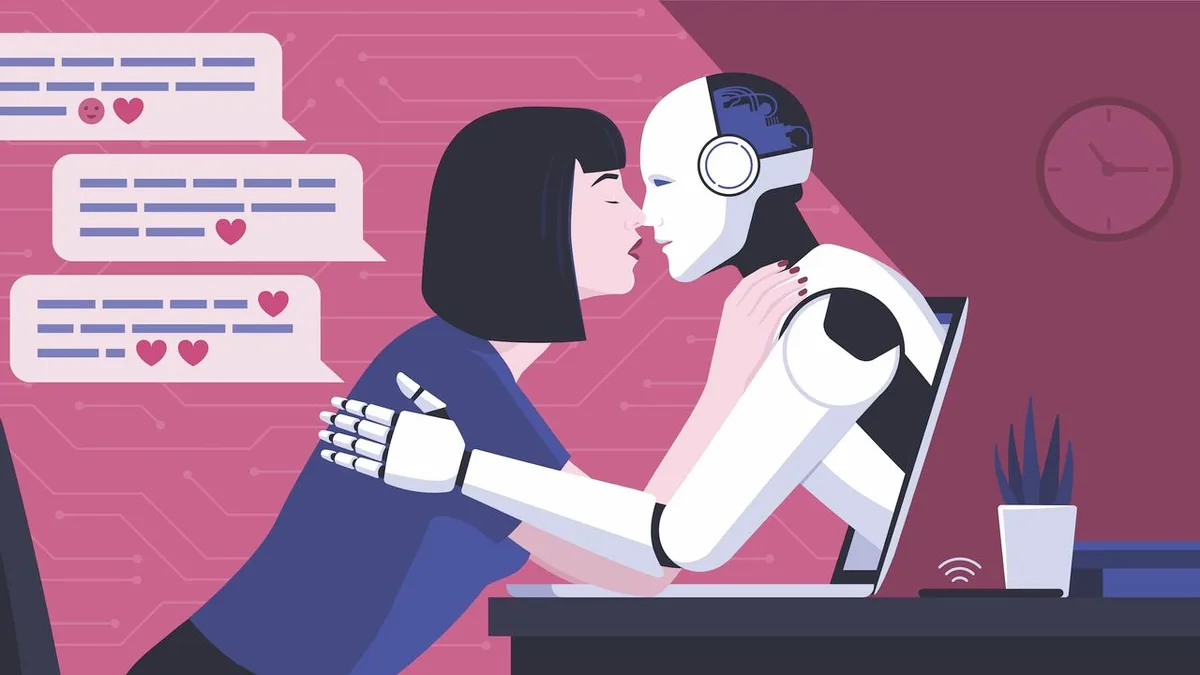
Last month, the Chinese government introduced new regulations designed to clamp down on AI companions.
The rules state that AI tools can no longer “excessively cater to users, induce emotional dependence or addiction, and damage users’ real interpersonal relationships.” They also restrict AI romantic relationships that involve children.
The new regulations came into effect on July 15, and are already having consequences on China’s booming AI companion industry.
Some of the country’s biggest tech companies, like ByteDance , Tencent and Alibaba , have platforms that allow users to create AI companions that are designed to simulate human emotions and relationships.
Under the new rules, these kinds of companion chatbots will need to undergo safety evaluations before they can be made available to the public, and regulators will suspend services they consider unsafe.
This has led some companies to disable personality features rather than follow the new rules, leaving many AI companion users heartbroken.
This kind of distress, when an AI company closes or changes, is becoming familiar.
We saw something similar when OpenAI retired ChatGPT-4o , known as the “love model”, which many users had built relationships with.
But with governments around the world trying to work out how to regulate AI companions designed to build human-like connections and emotional bonds (particularly when children can access them) the question is: should other countries follow China’s lead? Should other countries ban AI companions? It’s really easy to think that AI companions are bad and dystopian, I did.
Then I spoke to Mimi about her relationship with a ChatGPT companion and my views changed a bit.
I still don’t think AI companions are a good idea for most people — and the way kids might rely on them before developing social skills is a whole other can of worms.
But deciding they’re wholly bad misses all of the reasons why people turn to AI companions for connection in the first place.
I asked therapist Amy Sutton from Freedom Counselling , who helped me understand Mimi’s story and has been exploring the complexities of AI and attachment, whether she thinks they should be banned.
She told me it’s important to look at the bigger picture.
5News aggregated this summary from the outlet’s public feed. The full article, with all the context, is on www.techradar.com — the content belongs to TechRadar.