Thursday, 8 October 2026 SourcesAbout🌓
🇬🇧 UK ▾
BREAKING
› Hunter Bell celebrates in Team GB's 'glam' female track success› Chelsea latest: Caicedo features in friendly as midfielder steps up recovery› Swiss Darts Trophy 2026: Schedule, draw, dates as Bunting defends his title› 'It's about time!' - F1 drivers excited amid Rwanda GP rumours› 'Stick together, enjoy the ride and smile' - Haaland's message to Man City fans› Campbell would end retirement to fight Benn: 'He was insulting me!'› Russell, Antonelli to race with different specs amid Mercedes upgrade concern› 'It wasn't good enough' - Hamilton reveals 'huge' talks over Ferrari blunder› Southampton boss Eckert welcomes 'clarity' after Spygate suspended FA ban› Man Utd held back as Spurs spent big - Different strategies collide on Saturday› Hunter Bell celebrates in Team GB's 'glam' female track success› Chelsea latest: Caicedo features in friendly as midfielder steps up recovery› Swiss Darts Trophy 2026: Schedule, draw, dates as Bunting defends his title› 'It's about time!' - F1 drivers excited amid Rwanda GP rumours› 'Stick together, enjoy the ride and smile' - Haaland's message to Man City fans› Campbell would end retirement to fight Benn: 'He was insulting me!'› Russell, Antonelli to race with different specs amid Mercedes upgrade concern› 'It wasn't good enough' - Hamilton reveals 'huge' talks over Ferrari blunder› Southampton boss Eckert welcomes 'clarity' after Spygate suspended FA ban› Man Utd held back as Spurs spent big - Different strategies collide on Saturday
Science

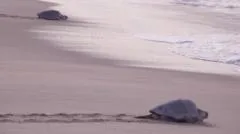
Mass nesting brings swarms of turtles to Mexican beach
BBC News Science and Environment ·
Mass nesting brings swarms of turtles to Mexican beach

Thousands of olive ridley turtles came to La Escobilla beach in Oaxaca, Mexico, to lay their eggs within 48 hours, according to sanctuary officials.

The natural phenomenon is known as "la arribada", meaning "the arrival", and sees hundreds of thousands of the amphibians swim ashore in southern Mexico.

This is the sixth wave of the creatures in the nesting season, which started in March.

Read the full article on BBC News Science and Environment ›

5News aggregated this summary from the outlet’s public feed. The full article, with all the context, is on www.bbc.co.uk — the content belongs to BBC News Science and Environment.

More from BBC News Science and Environment

See all ›

More in Science

See all ›