Are Meta smart glasses doomed to fail like Google Glass? Have your say on what fate is most likely for wearable cameras
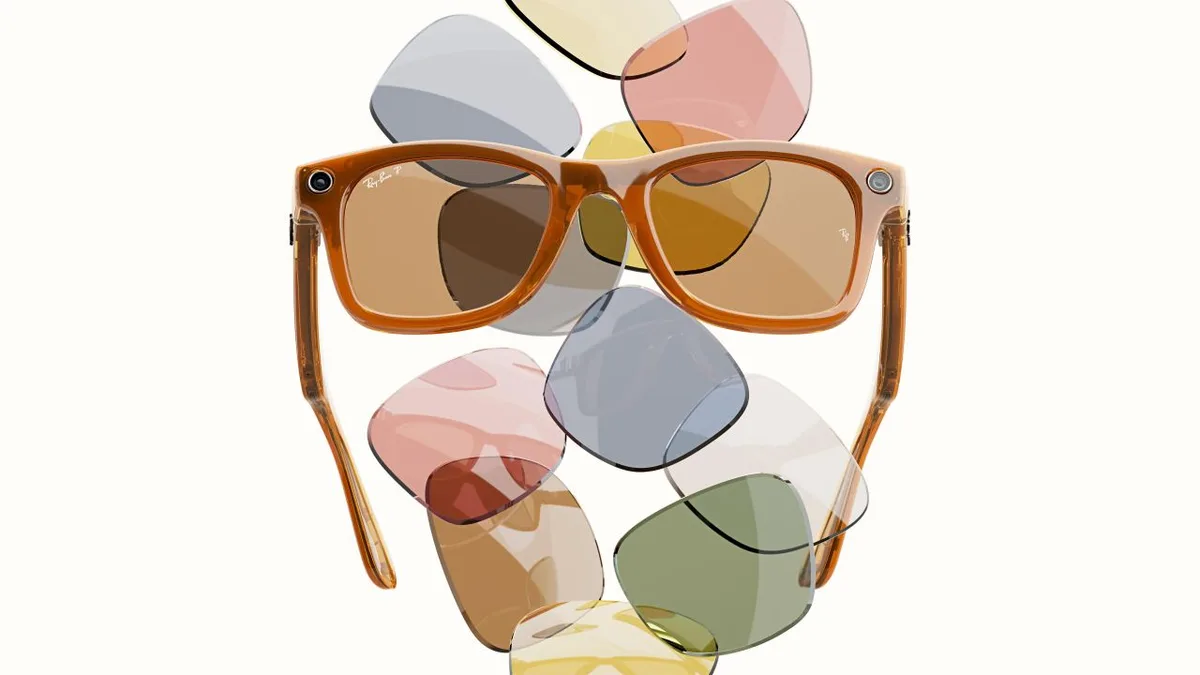
As public perception continues to sour, and private businesses ban smart glasses from their events and premises, it feels like the writing might be on the wall for Meta’s Ray-Bans.
At least as we know them.
Even without many laws changing, camera-equipped specs are becoming increasingly difficult to wear, especially if you don’t want to be branded a perv or a creep.
Because of this changing tide against Meta Ray-Bans and others, the most recent episode of the TechRadar podcast is a smart glasses special.
Podcast regulars Josie, Axel and myself brought Tom’s Guide’s Jason England on board to discuss the issues facing smart specs and the risks they pose — while also acknowledging how useful the tech can be when used appropriately.
We rounded things up with a quick discussion on what smart glasses could do to solve their privacy problems and clean up their public perception.
I want to continue that chat here with you, our readers and viewers.
Below I’ll outline four possible paths forward, followed by a quick poll asking you which path you believe we should take.
1.
Keep cameras in glasses (Image credit: Meta) If you are a smart glasses maker like Samsung, Meta or one of the many others, this would likely be your preferred approach: keep calm, and carry on churning out glasses with cameras (or AirPods if a recent Apple leak is to be believed).
The backlash against surveillance tech is at a fever pitch right now, but public outrage has a way of waxing and waning.
Smart specs have been wildly popular before, who says they won’t go back to being mega popular in a few months? This process could also be sped along by rolling out new privacy policies, or software which aims to mitigate the way smart specs with cameras are misused.
If new useful features are released, marketing could also help to make smart glasses look more essential, and get their detractors to overlook the glaring privacy issues they’re so bothered about right now.
For current smart specs users it means their Meta Ray-Bans would still be completely usable, and fully functioning — allowing them to rely on the first-person content capture capabilities for recording memories, informing their AI, or for accessible needs that the glasses are offering the visually impaired.
5News aggregated this summary from the outlet’s public feed. The full article, with all the context, is on www.techradar.com — the content belongs to TechRadar.