Seven simple ways to maintain muscle strength later in life
As we age, many people notice small changes that make them feel a little weaker or slower.
Lucy Macdonald, a physiotherapist based in Surrey at Restart Physio, says many often don’t realise the cause is sarcopenia.
Here’s exactly what sarcopenia is and tips on how to stay strong later in life.
“Age-related sarcopenia is the process by which muscles get weaker as you get older,” explains Macdonald.
This condition is caused by a combination of factors, including the natural ageing process, physical inactivity and changes to hormonal levels.
“There are some factors, like hormonal changes, that people can’t do anything about. For example, decreasing levels of testosterone in men and women as they get older can be a factor,” says Macdonald. “However, we are in control of our activity levels.
“A lot of people will reduce their activity levels, in part just because of general lifestyle but also sometimes because of fear of injury, and actually these things can significantly contribute to muscle wasting as well.”
She highlights that she usually sees sarcopenia in patients who are in two particular phases of life.
“The first one would be people in their late 40s because around that age, people’s lives tend to be very busy,” says Macdonald. “They’ve got busy careers and often have caring responsibilities for kids and older relatives. So, in terms of the amount of time they have to stay active, that’s quite a sort of crunch point.
“Sarcopenia is also very prevalent in the early 60s age range. At this age, people are thinking of retiring which is another turning point as some people will have a really active retirement and some will do considerably less.”
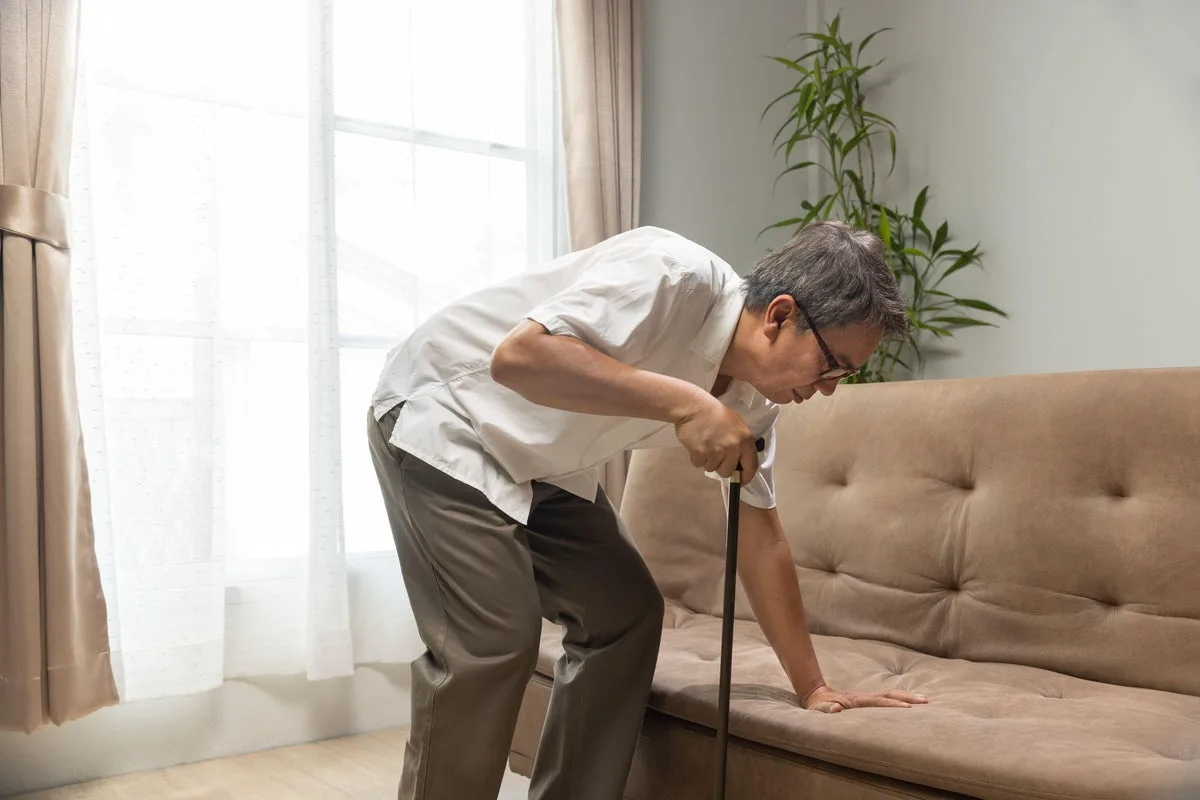
“Finding it difficult to get out of a chair or to go up and down stairs easily are two key indicators,” says Macdonald. “If you start to notice that you’re struggling a bit to get that power to do these things without using your upper body, I would seek professional advice about this.”
“Day-to-day things like carrying your shopping or playing with the grandkids might become difficult,” says Macdonald. “So many things involve physical activity, and if you haven’t got the muscle strength to do it you’re going to start to enjoy these activities less.
“It could also become painful to do things. Sarcopenia is considered to be a significant contributing factor to joint pain which can really affect people’s quality of life.”
“The best thing to do to slow down the progression of sarcopenia or to prevent it is strength work,” says Macdonald. “A physio can give you specific exercises to strengthen your muscles in relation to the things that you want to be able to achieve.
5News aggregated this summary from the outlet’s public feed. The full article, with all the context, is on www.independent.co.uk — the content belongs to The Independent Health.