The FCC's drone ban brands ordinary consumer tech as 'military-grade', and 98.6% of respondents to the proposal reject it — even DJI’s main US-based rival Skydio won’t fully endorse it
FCC's "military-grade" foreign drone ban definition includes everyday tech like thermal cameras and LiDAR 98.6% of respondent's comments oppose the proposed rule Even Skydio, a US-based drone maker that stands to benefit, won't fully endorse it We've reported before on how the US Federal Communications Commission wants to ban the import and sale of certain "military-grade" drones , most of them Chinese, on national security grounds.
The public comment period on that proposal has now closed — and the response leaves the FCC looking massively out of touch.
An analysis by Pilot Institute of all 3,824 readable filings in FCC docket 26-189 found that 98.6% of commenters oppose the rule as written.
Of those, 77% reject it outright, while another 21% say they support the underlying security goal but think the FCC has drawn the rule badly.
A paltry 16 filings, or just 0.4%, backed the proposal as it stands.
When you look at the economic question specifically, the gap is even starker.
The FCC's own tentative conclusion was that the financial impact of a ban would be "minor and contained." Of the 1,701 filings that addressed that point directly, 1,686 described severe harm.
Only one filing agreed with the Commission.
So what counts as "military-grade" under this proposal? According to the FCC, it's any drone with a thermal camera or LiDAR sensor, or one that can dock itself, spray liquid, carry out swarm maneuvers, or weighs 55lbs or more at take-off.
If your drone ticks any of those boxes then, in the FCC's eyes, it's a potential weapon.
Military or mainstream? This definition is where the rule starts to smell a lot like overreach.
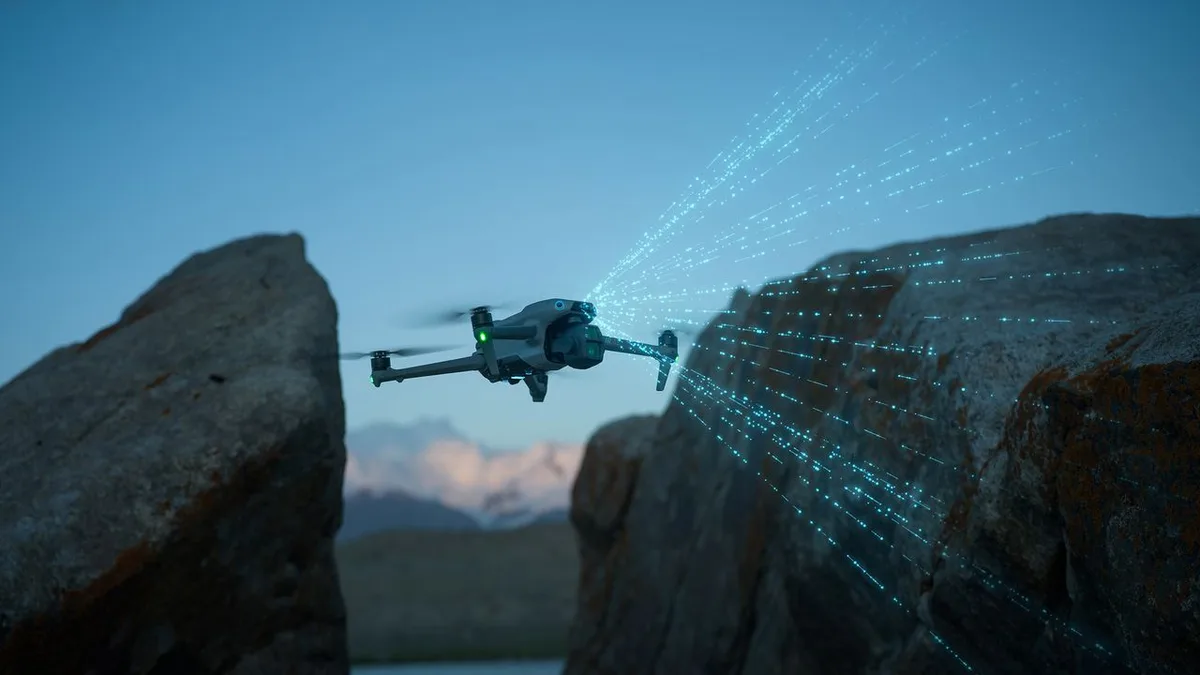
LiDAR sensors aren't exotic military hardware in 2026 — they're standard features that drones like DJI's Mini 5 Pro and Air 3S use for obstacle avoidance.
These aren't military drones – they're flying cameras ordinary people use to shoot their cousin's wedding, check their roof for damage or locate a missing hiker.
LiDAR is so mainstream that it's built into recent iPhones .
5News aggregated this summary from the outlet’s public feed. The full article, with all the context, is on www.techradar.com — the content belongs to TechRadar.