Child ketamine users getting bladder damage describe 'peeing a jellyfish'
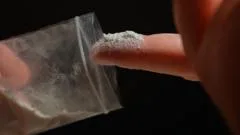
Children as young as 13 are getting ketamine bladder damage, doctors running a dedicated NHS clinic for it have told the BBC in an exclusive interview.
Medics at Alder Hey Hospital in Liverpool say some patients - they have had over 100 referrals since opening last May - describe "peeing a jellyfish", which is some of the bladder's protective lining being shed.
Prolonged damage can lead to incontinence or uncontrolled peeing, and even kidney failure.
Many children at the clinic had been taking ketamine for a year or more, meaning some may have started when they were 12 or younger.
Some with emotional trauma say the ketamine, sold for pocket money prices, helps "shush" or quieten their brain.
The drug is a general anaesthetic so it reduces or blunts sensations in the body.
Users say it can make them feel dream-like and detached, chilled and relaxed.
Prof Rachel Isba who runs the clinic told the BBC some of the children she has seen had started wetting the bed or having to go to the toilet more often and in a hurry.
"Sometimes they don't always make it. They might have accidents...and a lot of them report pain in their bladder.
"They describe this feeling of weeing over broken glass. It's very painful."
She says, unfortunately, some of them will use the ketamine to treat the pain.
"Ketamine is a very good pain reliever. It's an anaesthetic, and so they get into a vicious cycle or 'K loop', which makes their bladder worse," says Isba.
She says some children find it hard to quit if their mates are still doing it.
"There's use going on at school. That's really difficult. And, unfortunately for many of these children they are not able to attend education for various reasons."
5News aggregated this summary from the outlet’s public feed. The full article, with all the context, is on www.bbc.co.uk — the content belongs to BBC News Health.