Personal care products are awash in unlabeled toxic chemicals, study finds
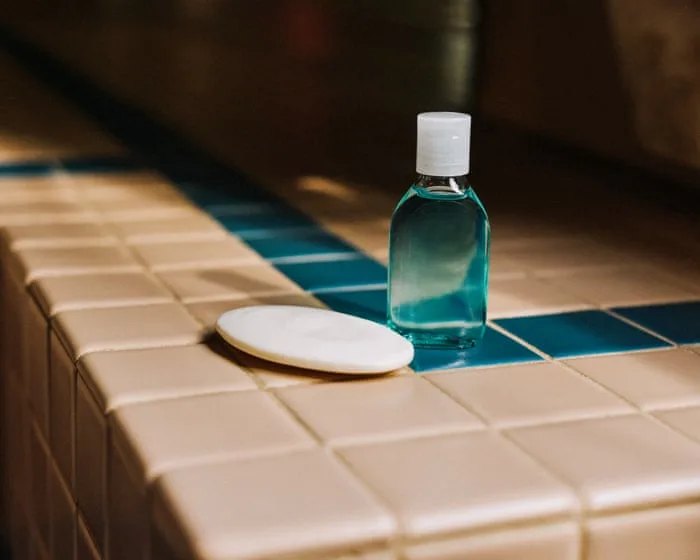
Even products labeled ‘eco’, ‘green’ or ‘natural’ can contain dangerous compounds including Pfas
Common personal care products widely contain unlabeled toxic chemicals, results from a new peer-reviewed study suggest. The testing of more than 110 items ranging from shampoo to baby lotions found evidence of unlabeled toxic chemicals in about 85%.
Many contained multiple ingredients known to be carcinogens or health hazards, and even 26% of products labeled “eco”, “green” or “natural” contained at least one dangerous compound. The products averaged more than three times as many chemicals than were listed on labels.
It is unclear whether the products are intentionally adulterated, or unintentionally contaminated. Either way, the findings raise further questions about the safety of everyday goods already under scrutiny for their health risks, and the authors say the study highlights the need for stricter oversight, including mandatory testing.
Jenna Hua, a lead author with Million Marker, a San Francisco-based company that offers at-home testing for exposure to toxic chemicals, said researchers knew they would find some unlabeled chemicals, but were still “shocked” by the findings.
“I spend my money, and I want to get a good product – why am I being lied to?” Hua asked.
Among the chemicals detected were hormone disruptors and carcinogens such as phthalates, parabens, Pfas and formaldehyde. Many of the same chemicals are sometimes intentionally added to personal care products, and are linked to cancer, neurological disease, reproductive harm and damage to developing children, among other issues. Personal care product chemicals can be absorbed into the body, studies in recent decades have found .
The 113 items tested were bought at major retailers, such as Target and Amazon. They include baby products, moisturizers, soaps, shampoos, toothpaste, feminine hygiene products, body washes, cleaning products and other everyday goods.
Some ingredients may be added illegally, form due an unintended chemical reaction among ingredients or come from plastic packaging that often leaches compounds into the products, the authors wrote. The most widespread undisclosed toxicants fall under the umbrella term “fragrance” or “parfum” on products’ ingredient lists. “Fragrance” can include any of 1,200 hazardous chemicals, and the law does not require companies to be more specific.
The situation is complicated for some small businesses that genuinely try to produce clean products. Some unwittingly buy contaminated raw materials, or are lied to by suppliers. Hua said Million Marker talked with some such companies that want to clean up their products, but are also fearful of predatory lawsuits over the contamination.
Such scenarios could be avoided with stronger laws that help small well-intended producers avoid pitfalls, and level the playing field.
“There needs to be some regulations and a testing component to ensure it’s safe,” Hua said. Million Marker is actively fundraising to do more testing.
Researchers used a non-targeted chemical analysis, which looks for evidence of thousands of substances, rather than a limited list of predetermined compounds.
5News aggregated this summary from the outlet’s public feed. The full article, with all the context, is on www.theguardian.com — the content belongs to The Guardian Society Health.