Polling turns politics into one big game. There are too many of them – and that does us no good | Jonathan Liew
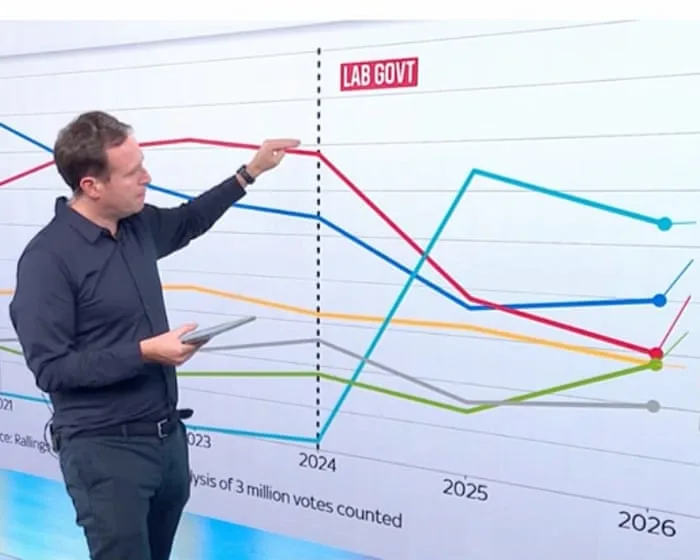
Surely that’s the lesson the Reform polling furore should teach us. Politics should be about actually helping people, not mastering the line on a graph
S olemn faces all round. We will listen. We will learn. We will hone and improve. Yes, it’s time for the latest bout of profound soul-searching in the UK polling industry following the allegations raised by the recent Channel 4 investigation that a polling firm reportedly failed to declare that three polls it published before the local elections in May were commissioned by Reform. By now these reckonings are becoming a regular occurrence in the wake of big elections: pollsters gather in a room, nibble biscuits, ritually self-flagellate, and pledge to learn all the right lessons from the electorate they’ve just catastrophically misread.
Yet for all its very public ignominies, political polling is one of those rare and precious industries that somehow manages to keep failing upwards. You might think that after botching the 2015 and 2017 general elections , the 2016 Brexit vote and the 2021 London mayoral poll, we might have learned better than to trust in the mystical magic graph. In this parallel universe Keir Starmer is now sitting on a colossal 318-seat majority, as forecast by Survation in its final MRP poll on the eve of the 2024 general election, overstating the actual result by a mere 144 parliamentary seats.
I am, of course, being slightly unfair. Most of the reputable pollsters enjoy just as many hits as misses – and are, by and large, staffed by smart and diligent people who genuinely care about their craft. Doubtless many among their number would object to any suggestion that the apparent misbehaviour of one firm – JL Partners, who were secretly filmed agreeing to carry out a poll favourable to Reform without disclosing who was commissioning it – can somehow be extrapolated to the wider profession as a whole. To which the only reasonable response is: well, let’s see how you like it.
But my problem has virtually nothing to do with methodology and almost everything to do with volume. There’s simply too much of this stuff, and people are taking it too seriously, investing too much predictive power. The British Polling Council (BPC) has swollen to 39 member organisations, many of them new and completely untested. In the first two weeks of September alone there have been 10 separate voting intention surveys issued by seven separate companies. We are all fatally beholden to the cult of Big Poll.
There are plenty of noble and legitimate defences of polls. They help to shape and test policy. They allow voters to make their choice with the fullest possible information. Perhaps they even function as a kind of check on an unfair electoral system, signposting to potential tactical switchers where their vote might profitably be spent. But even these defences highlight a paradox: this is a method of measuring and reflecting public opinion – and of subtly influencing it. Which is why so many lobbyists, PR firms and corporate interests are desperate to get involved.
Pollsters are not doing this out of some great altruistic duty to democracy.
5News aggregated this summary from the outlet’s public feed. The full article, with all the context, is on www.theguardian.com — the content belongs to The Guardian Politics.