What is HPV? Common myths about the virus linked to cervical cancer
This article was originally published by The Conversation in June 2025, and is being republished by the Independent after it was announced that women in England will receive home cervical screening kits for HPV .
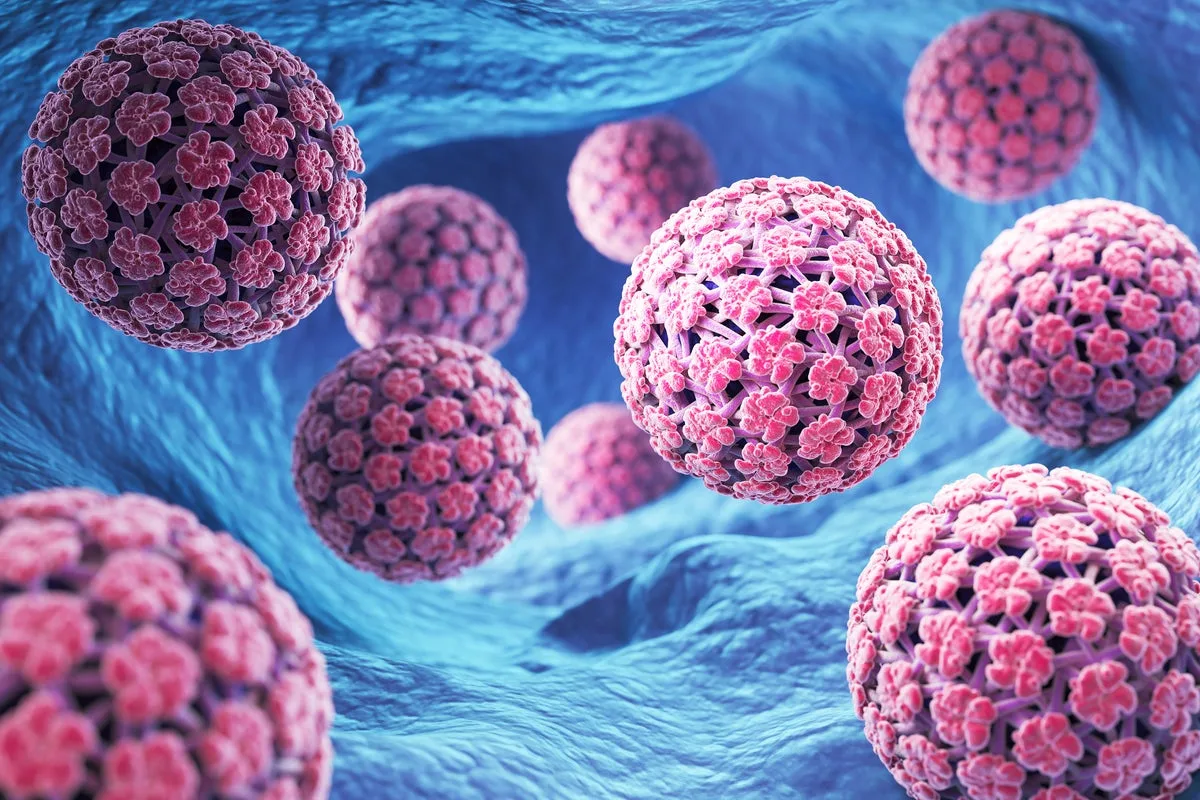
Few viruses are as widespread – and sometimes misunderstood – as the human papillomavirus, or HPV . It’s so common that most of us – up to 80% – will encounter it at some point in our lives, often without even realising it. Understanding HPV matters, given that it is linked to several types of cancer .
Scientists have identified more than 200 types of HPV , making it one of the most diverse viral families known – and a complex one at that. Many strains are low risk, causing either no symptoms or benign warts. HPV types 1, 2 and 4, for instance, are responsible for the common skin wart. Many will have experienced these, including the familiar verruca (plantar wart) picked up at swimming pools.
Some strains, such as HPV 6 and 11, cause genital warts – small growths that appear on the genitals or around the anus. Treatments such as creams, surgical removal or freezing can get rid of the visible warts, but they don’t remove the virus itself. This means the virus can still be passed to sexual partners until the body’s immune system clears it.
Most seriously, certain types of HPV – particularly 16 and 18 – have known links to cancer. They belong to a group of about 14 high-risk strains that can enter human cells and damage their DNA. This damage interferes with the cells’ normal controls on growth and division, which can lead to the development of cancer.
Repeated or persistent infection with these strains increases the risk of developing cancer. So, too, does smoking, which reduces the ability of the immune system to clear the virus.
Because HPV comes in so many forms – from harmless skin warts to strains linked with cancer – it’s easy to see how myths and confusion can take hold. To separate fact from fiction, here are five key points that everyone should know about the virus.
While cervical cancer remains the most recognised HPV-related malignancy, the virus is also linked to cancers of the vulva, vagina, anus, penis, mouth and throat. Emerging evidence suggests some types may also contribute to developing skin cancer.
This broad cancer risk explains why the widely available HPV vaccine is recommended for both sexes. The vaccine’s ability to prevent HPV infection makes population-wide immunisation beneficial, as transmission may occur between heterosexual and homosexual partners alike.
HPV can remain on the skin for months before the immune system clears it, allowing transmission through contact even before genital warts appear and after they’ve been treated. This is why condoms should be used for at least three months after visible warts have resolved.
Oral and throat cancers can develop following HPV infection acquired through oral sex. The incidence of mouth and throat cancer is increasing worldwide, with oral sex now the most significant behavioural risk factor. Using condoms during oral sex can help reduce this risk.
HPV can also spread through the use of sex toys.
5News aggregated this summary from the outlet’s public feed. The full article, with all the context, is on www.independent.co.uk — the content belongs to The Independent Health.