Only about 1% of US lawmakers are working class. Here’s what keeps workers out of office
Both major U.S. political parties regularly tout their commitment to working-class Americans and claim to be the party of the working class . However, neither the Democrats nor the Republicans nominate many candidates who spent substantial time in working-class jobs.
This near-absence of people from working-class jobs in the halls of power matters. According to research in the U.S. and in other democracies, safety net programs are stingier, business regulations are flimsier and protections for workers are weaker than they would be if people from working-class jobs went on to hold office at higher rates. Working-class people can sometimes influence policy in other ways, but the fact that so few former workers hold elected office means that working-class interests often fall by the wayside in the world’s political institutions.
We research the causes and effects of the shortage of politicians from working-class jobs. We define working-class jobs as manual labor jobs, like construction worker, service industry jobs like restaurant server, and clerical jobs like receptionist.
We don’t include small-business owners or people who work in jobs that require extensive formal education. Instead, we focus on people in jobs that offer employees little stability or security.
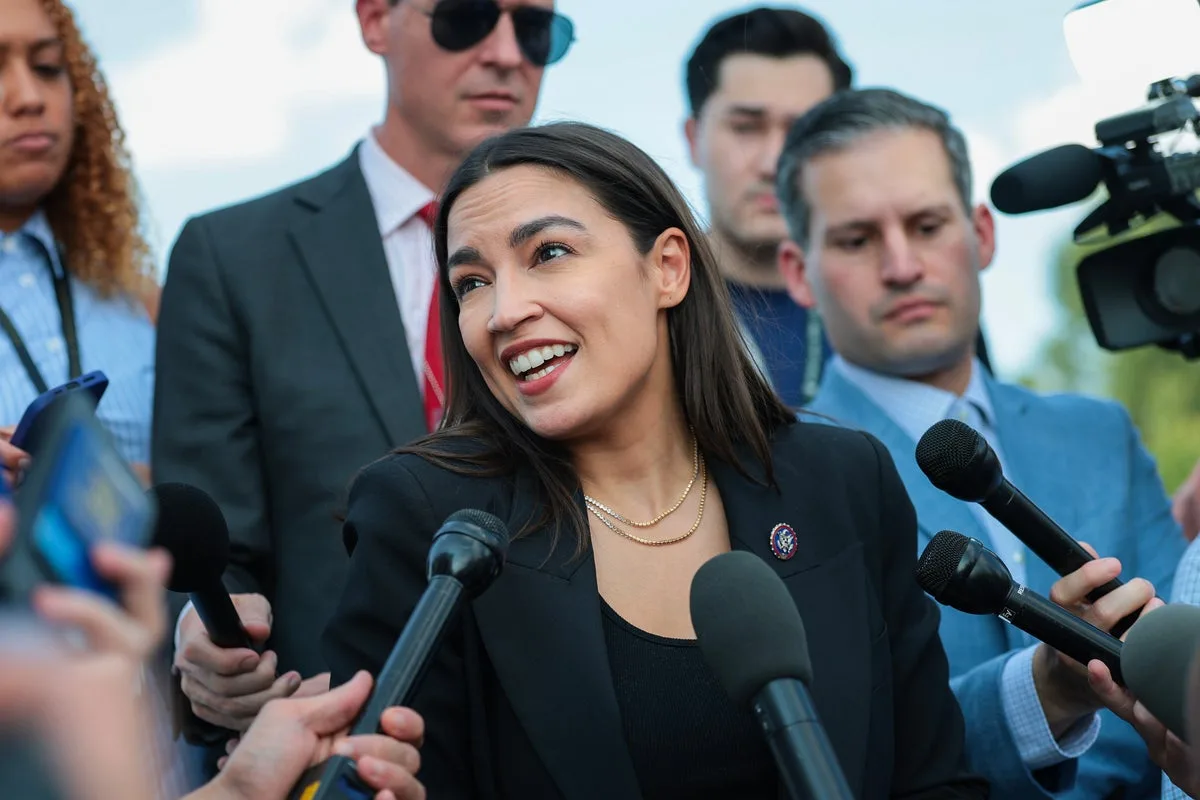
There are, of course, a small number of notable politicians from these kinds of occupations. U.S. Rep. Alexandria Ocasio-Cortez, a New York Democrat, was a bartender before she became a lawmaker. Troy Jackson, Maine’s Democratic Senate candidate, worked as a logger before entering state politics. Indiana state Sen. Jim Tomes, a Republican, worked as a truck driver and union steward.
There are also examples outside the U.S., such as Stefan Löfven, the former prime minister of Sweden, and Luiz Inácio Lula da Silva, the president of Brazil.
Politicians like these often attract outsized media attention, but overall, people from working-class jobs are sharply underrepresented in political institutions.
By our count, about half of all Americans in the labor force have working-class jobs. However, people who last had working-class jobs when they got into politics make up only about 1% of the average state legislature, regardless of their party affiliation. The same goes for Congress.
And the U.S. isn’t alone. Starting in 2016, we partnered with a team of researchers to collect data on 97 of the 103 democracies with more than 300,000 citizens.
5News aggregated this summary from the outlet’s public feed. The full article, with all the context, is on www.independent.co.uk — the content belongs to The Independent World.