PM's top security adviser says Europe faces hard winter to keep pressure on Putin
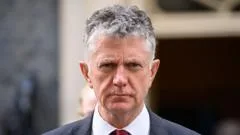
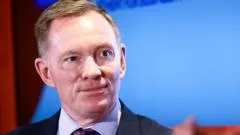
Jonathan Powell, the UK national security adviser, has said Europe must be ready to endure "real hardship" this winter if it is to keep up economic pressure on Russia.
In rare public remarks, Powell told a conference in Kyiv that Europe's strategy of supporting Ukraine and imposing sanctions on Moscow was working.
He said talk of Russian escalation was "not a problem" but a "sign of success" that pressure on Russian President Vladimir Putin was finally paying off.
So he said now was not the time for European nations to take their "foot off the gas" and ease sanctions even though the continent faces severe energy shortages this winter.
Powell also said the US and Europe should maintain contact with President Putin – despite describing the Russian leader as a "terrorist".
Ukraine had "already won" the war because Putin would not be able to seize the whole country and "a free Ukraine in Europe" would be able to choose its own direction regardless of any territorial loss, he said.
The Prime Minister's most senior security adviser, who rarely speaks in public, was in Ukraine's capital only last weekend for talks with Donald Trump's envoys after they visited Putin in Moscow.
His remarks at the Yalta European Strategy forum - to an audience of Ukraine's top leadership and international supporters - provide an unusual and detailed insight into UK policy towards the war.
His remarks were distinctly optimistic compared to others at the conference who had a more gloomy outlook. Round the clock Russian attacks on Ukraine's energy and other infrastructure is damaging the country's economy, weakening morale and raising fears about the coming winter where power shortages are expected.
Oleksandr Kravchenko, Ukraine's minister of economy, told the conference Russian attacks this year were expected to cost $10bn in destroyed infrastructure and assets. With the blockade of Ukraine's sea ports curbing grain exports, he said Ukraine's GDP would contract by 1.5%.
Europe is now preparing for winter amid a global energy crisis and with low stockpiles of gas, making sanctioned Russian supplies of liquid natural gas potentially more attractive to some EU countries.
Sanctions have meant Europe has massively reduced its consumption of Russian gas - but not entirely and some countries are dragging their feet.
The EU still gets 12% of its gas imports from Russia but plans a complete phase out by January. However, last week the European Court of Auditors said this plan was "faltering" amid gas shortages due to the Iran war.
Ukraine faces 'toughest winter' since Russia's full-scale invasion, UN official tells BBC
5News aggregated this summary from the outlet’s public feed. The full article, with all the context, is on www.bbc.co.uk — the content belongs to BBC News (Top Stories).