Nandy pledges crackdown on 'doxxing' after RNLI volunteers see personal details online
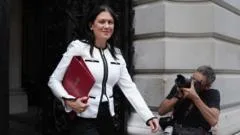
Lisa Nandy has vowed to strengthen the law on "doxxing" after lifeboat volunteers involved in migrant crossing rescues had their personal details published online.
The culture secretary said she would "tighten up the law" to make doxxing, which involves leaking people's home addresses, a criminal offence.
Currently, she said this kind of behaviour is only illegal if it is done with clear intent to cause fear, harm and distress.
Nandy convened a meeting with social media firms on Tuesday afternoon to discuss such abuse, but she called social media company X a "disgrace" for failing to turn up.
Last week, the chief executive of the RNLI - the Royal National Lifeboat Institute - condemned online and physical abuse volunteers for the charity had received over English Channel migrant crossings.
That followed protests after 120 people landed on Portsmouth's shores from France with the RNLI's assistance.
Nandy told BBC Breakfast she was "appalled" that the likes of RNLI volunteers, police officers, social workers and journalists were "being doxxed online" - having their names, photos and addresses published.
In her meeting with social media companies, she said she found "wildly varying standards" from them on doxxing material.
TikTok told her it would automatically remove such posts while Facebook and Instagram owner Meta said it would not, she said.
"And frankly, X didn't even bother to turn up yesterday which shows real contempt for people's safety and security and their obligations to society," she added.
She said the government "will not hesitate to take action" to make clear that "where people's addresses are being published online, that is an offence and action has to be taken swiftly".
A source close to Meta said it removes content that shares, offers or solicits personally identifiable information that could lead to physical harm.
It is undersood the Crown Prosecution Service can currently treat doxxing under offences such as malicious communications if a victim is threatened or harassed.
BBC Verify found viral social media posts about those involved in migrant crossing operations, some of which wrongly identified RNLI crew members and called for their families to be tracked down.
5News aggregated this summary from the outlet’s public feed. The full article, with all the context, is on www.bbc.co.uk — the content belongs to BBC News (Top Stories).