Russian body, Desi brain: How India is turning the Su-30MKI into a lethal stealth hunter
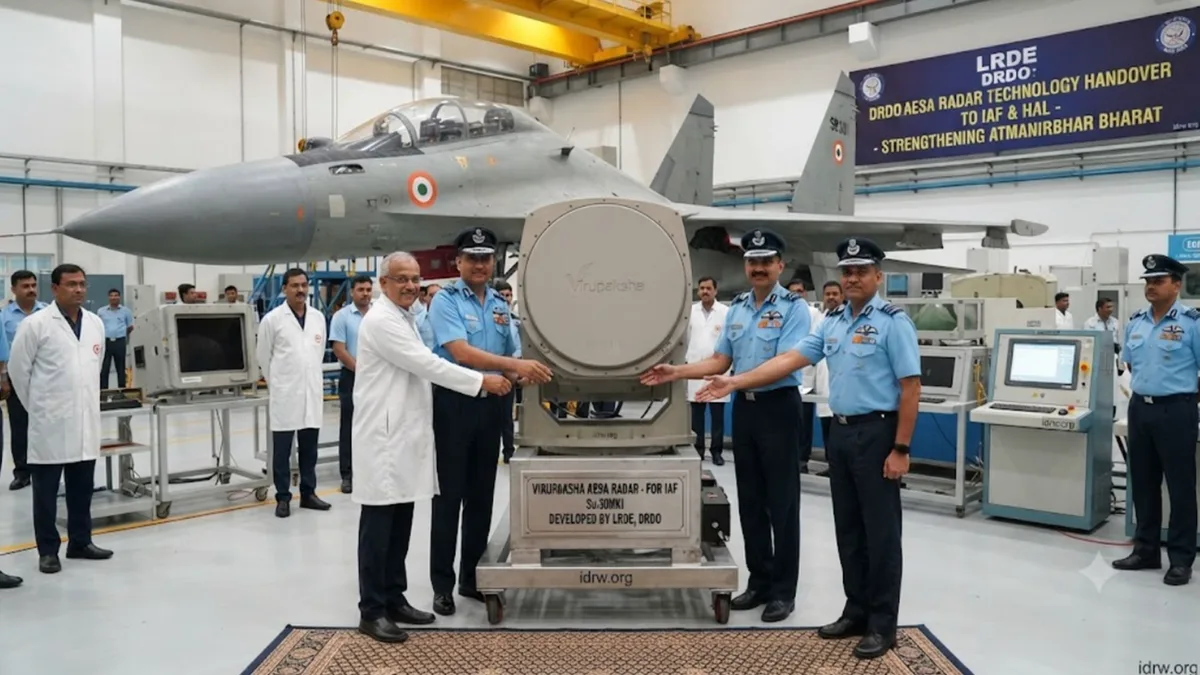
India is replacing the Su-30MKI's ageing Russian radar with Virupaksha The new radar could detect conventional fighters 300 to 400 kilometres away Virupaksha is expected to detect stealthier aircraft beyond 200 kilometres India's Su-30MKI fleet, built on a Russian airframe design, is now getting a distinctly homegrown upgrade to its detection system.
The Defence Research and Development Organisation is developing a new radar called Virupaksha to replace the aircraft's ageing Russian-origin unit.
This radar swap forms a core element of the broader Super Sukhoi modernisation programme currently awaiting final government clearance.
Indian radar could transform the Su-30MKI's detection capabilities The Super Sukhoi programme aims to elevate the aircraft to a more advanced fighter jet class through this sensor overhaul.
In simple terms, that means the jet would gain sharper detection abilities without needing an entirely new airframe.
Indian officials have estimated the cost for an initial batch of 84 aircraft at ₹60,000 to ₹65,000 crore (about $6 billion), but it still awaits final approval from the Cabinet Committee on Security.
Astra Microwave Products, a private contractor, is building a key radar component, the Active Antenna Array Unit (AAAU), alongside DRDO engineers.
The AAAU works like the radar's eyes, scanning the sky for threats electronically instead of using a spinning dish.
It houses roughly 2,400 small transmitting and receiving parts made from a material called Gallium Nitride, which is more power-efficient than older materials.
In practical terms, this material lets the radar see farther, run cooler, and resist enemy jamming more effectively than older designs.
It also keeps the whole unit relatively lightweight, which matters when fitting new technology into an existing aircraft.
Once complete, the radar is expected to detect conventional fighter-sized aircraft between 300 and 400 kilometres away.
Against stealthier aircraft designed to evade detection, its range is still expected to exceed 200 kilometres, a major improvement over the current system.
Virupaksha radar moves closer to completion Astra Microwave has told investors that its portion of the radar programme remains on schedule for completion within months.
5News aggregated this summary from the outlet’s public feed. The full article, with all the context, is on www.techradar.com — the content belongs to TechRadar.