The Ebola outbreak in DR Congo is not just a medical crisis – it is also a crisis of trust
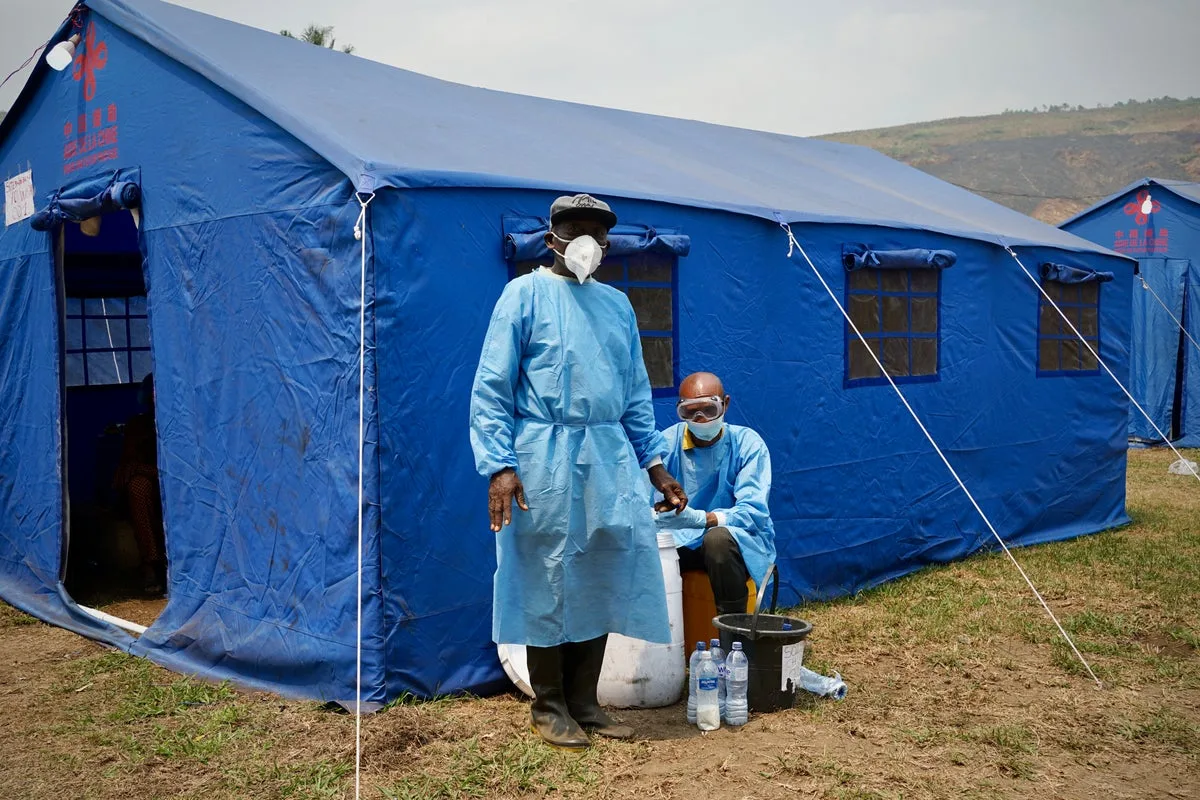
M ore than one hundred days after the outbreak was declared, Ebola has now claimed more than 2,500 lives across the Democratic Republic of Congo (DRC). Red Cross volunteers are doing all they can to fight this disease, with more than 900 volunteers reaching more than 100,000 people. Yet across communities , our volunteers find that not only are they fighting Ebola; they are also fighting misinformation.
Trust is essential when tackling the outbreak of a deadly and infectious disease , but when fear takes hold, misinformation can spread just as quickly as the virus itself. Without trust, people are less likely to seek medical help when symptoms appear, and less likely to follow public health advice, report cases, or support efforts to stop transmission.
For many, Ebola remains frightening and poorly understood. Our local Red Cross colleagues hear directly from communities about their lack of trust in the organisations and institutions trying to protect them. They see people refusing care, fleeing treatment centres and denying the disease even exists. This lack of trust matters when authorities are asking people to change how they live, and particularly how they bury and mourn their loved ones.
Twelve of our colleagues have been attacked and injured in the line of duty, as ambulances and emergency response equipment has been damaged and destroyed. Some of these attack have been against colleagues attempting to conduct safe and dignified burials. These attacks undermine efforts to contain the outbreak and endanger lives. Misinformation has real and serious effects for our colleagues and for those who need their help.
Many communities don’t understand how infectious dead bodies are, so don’t know why they can’t touch their loved ones. It is understandably traumatic for the recently bereaved to feel they can’t properly mourn those they’ve lost. Without trust and understanding, these measures can be seen as an attack on culture and tradition rather than as one of the most important and effective ways to protect families and communities.
During the 2018 outbreak, volunteers went door to door to share information, hosted radio talk shows and organised outreach events. Through this work, community resistance to safe and dignified burials dropped drastically, helping stop the spread of Ebola.
Our colleagues in the DRC are using this experience today. Following community feedback, they now use body bags with clear material over the faces of their loved one so families can see their loved ones, begin the grieving process and trust how their loved one’s remains are handled. It was a simple change, but one that demonstrated a vital principle: effective humanitarian action is done with communities, not to communities.
Just as this outbreak started in communities, the trust needed to tackle it must be built in communities too. Trust cannot be built from a distance. It must come from people who understand the communities they serve. The Red Cross of the DRC’s 900 volunteers are our Red Cross Red Crescent Movement’s greatest asset in the pursuit of trust.
These volunteers have risked catching the disease they work every day to stop spreading.
5News aggregated this summary from the outlet’s public feed. The full article, with all the context, is on www.independent.co.uk — the content belongs to The Independent World.