No lift for Swift as NASA abandons orbital rescue
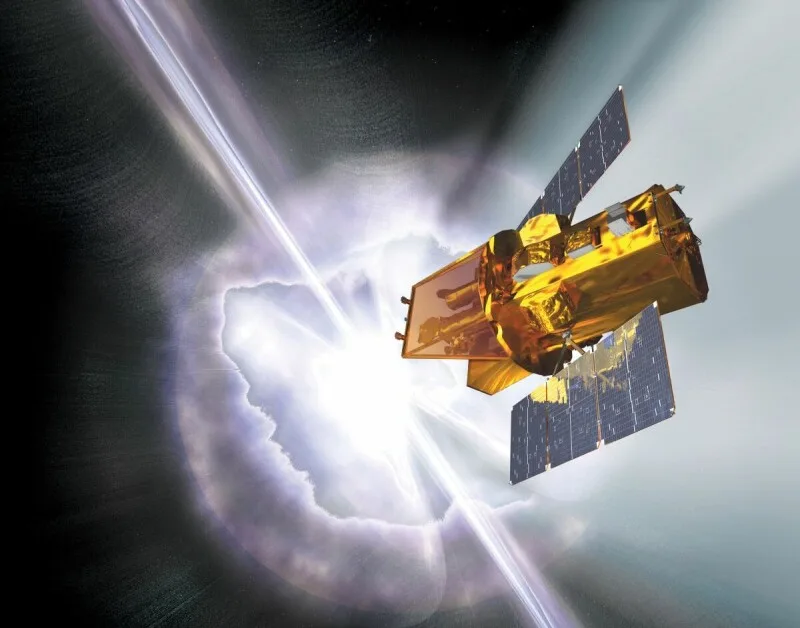
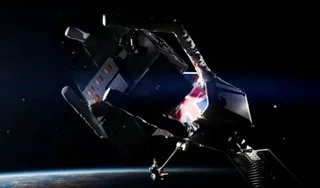
NASA and Katalyst Space have abandoned an ambitious attempt to boost the Swift observatory into a higher orbit and postpone its fiery return to Earth.
Katalyst Space's LINK spacecraft will still attempt to rendezvous with and maneuver near Swift, but plans to grapple the observatory and raise its orbit are dead.
The problem, according to NASA and Katalyst Space, is an "ongoing commercial spacecraft attitude control issue." Shortly after launch, LINK entered a spin, and two of the three reaction wheels used to control its orientation were declared inoperable.
Engineers regained control using the spacecraft's electric thrusters and transmitted a software update reflecting its diminished capabilities.
The work kept LINK operational, but could not make the planned reboost safe.
NASA and Katalyst Space have put a brave face on this.
The space agency's administrator, Jared Isaacman, stated: "NASA should be willing to move quickly and take smart risks when the potential return is worth it, and that is exactly what we did with this mission.
This is not the outcome we were working toward, but it does not change why this mission was worth attempting." Katalyst Space CEO Ghonhee Lee said: "Katalyst designed, developed, and launched an experimental spacecraft to go after an ambitious mission on an aggressive timeline.
We took on this high-risk, high-reward challenge and are proud of the milestones we reached along the way." LINK's mission is not over, but Swift's rescue attempt is.
NASA it is working closely with Katalyst Space "to assess next steps for rendezvous and gather as much data as possible to inform future satellite servicing operations." NASA expects Swift to re-enter Earth's atmosphere later this year.
The breakneck pace of the LINK mission was driven by the observatory descending more quickly than expected.
The Swift team cut back on many science activities to slow the observatory's orbital decay.
Those efforts bought enough time for LINK to attempt a rendezvous, if not a reboost.
Swift was launched in 2004 to study gamma-ray bursts.
5News aggregated this summary from the outlet’s public feed. The full article, with all the context, is on www.theregister.com — the content belongs to The Register.