Colombia’s cocaine-funded militias turn to drones as far-right president launches all-out war
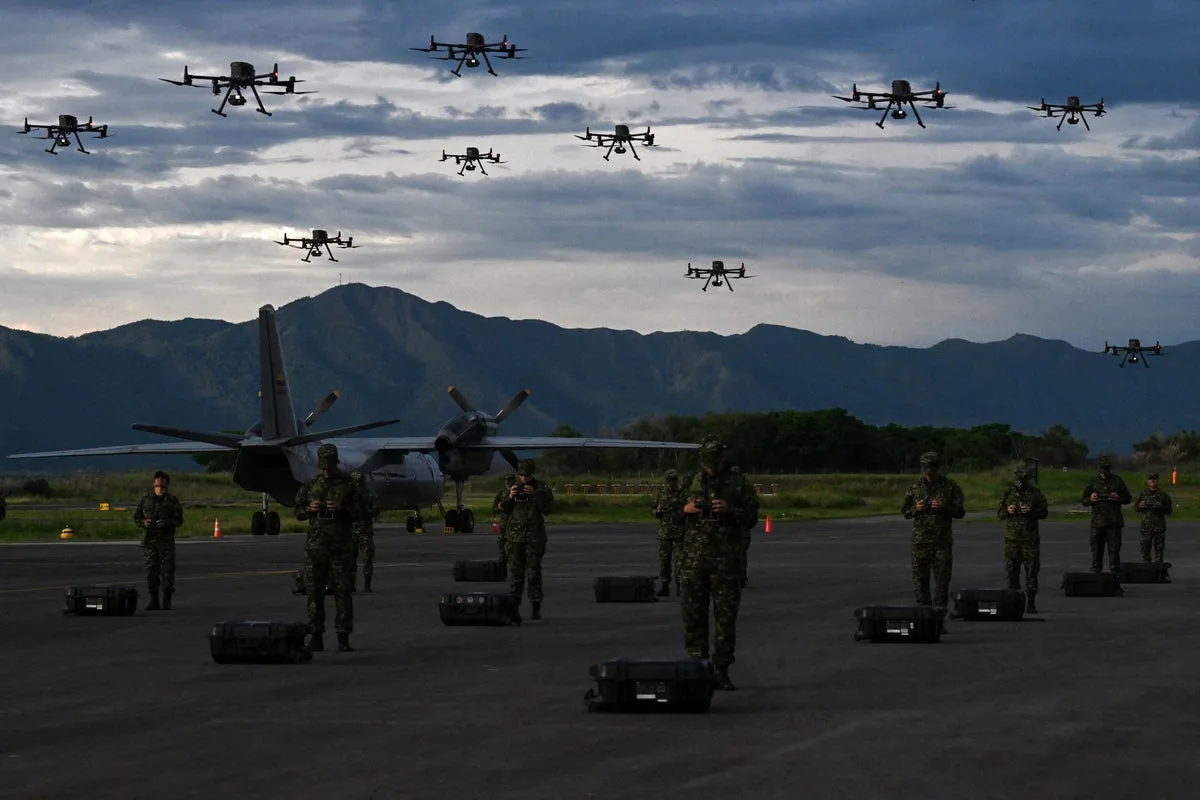
A s Colombian troops push through the dense Amazon rainforest in a full-scale war against guerrilla militant groups, technology is reshaping how they fight.
After four years of left-wing president Gustavo Petro’s ‘Total Peace’ strategy, the new government led by far-right president Abelardo de la Espriella , is opting for violent confrontation.
But the landscape of conflict in Colombia has radically transformed since 2022.
Buzzing high above the tree canopy, unmanned drones are now terrorising civilians and government forces near the well-trodden drug corridors, through which billions of dollars worth of cocaine is trafficked.
It is an alarming development for people trying to go about their lives.
“Even when civilians are not targeted or collaterally impacted, the use of drones in combat between rival groups and [government] security forces has become traumatising,” says Tiziano Breda, Latin America regional expert at conflict monitor ACLED, who has been tracking the rapid rise of drones in Colombia in recent years.
“Whenever they hear the buzzing of drones, even when not physical[ly impacted], it has psychologically impacted civilians.”
Drones are part of the escalating war between the militia and government forces, which is being driven by de la Espriella.
His election in June this year caused significant trepidation, amid promises of total warfare and warnings to militants that they have two options: prison or death.
The millionaire lawyer, who describes himself as an outsider and a huge admirer of the US president - nicknamed by analysts as a “mini-me Trump” - beat leftist senator Iván Cepeda by just one per cent of the vote.
At the centre of his campaign was a commitment to deal forcefully with organised crime, amid a widespread view that Petro’s peace strategy has not worked.
De la Espriella’s first weeks in office were bloody. Sworn in on August 7, that month became the deadliest for clashes between Colombian security forces and armed groups since ACLED started collecting data in 2018, with 84 deaths.
The reaction by armed groups to the all-out war was instant and “centered on the new technology” they have been developing: drones.
In the first three weeks of the new government, around 30 drone attacks on security forces were recorded, mostly in the Cauca and Norte de Santander regions. This was quadruple the number in the three previous weeks.
5News aggregated this summary from the outlet’s public feed. The full article, with all the context, is on www.independent.co.uk — the content belongs to The Independent World.