Thursday, 8 October 2026 SourcesAbout🌓
🇬🇧 UK ▾
BREAKING
› Hunter Bell celebrates in Team GB's 'glam' female track success› Chelsea latest: Caicedo features in friendly as midfielder steps up recovery› Swiss Darts Trophy 2026: Schedule, draw, dates as Bunting defends his title› 'It's about time!' - F1 drivers excited amid Rwanda GP rumours› 'Stick together, enjoy the ride and smile' - Haaland's message to Man City fans› Campbell would end retirement to fight Benn: 'He was insulting me!'› Russell, Antonelli to race with different specs amid Mercedes upgrade concern› 'It wasn't good enough' - Hamilton reveals 'huge' talks over Ferrari blunder› Southampton boss Eckert welcomes 'clarity' after Spygate suspended FA ban› Papers: Fee Man Utd could receive for wantaway JJ Gabriel revealed› Hunter Bell celebrates in Team GB's 'glam' female track success› Chelsea latest: Caicedo features in friendly as midfielder steps up recovery› Swiss Darts Trophy 2026: Schedule, draw, dates as Bunting defends his title› 'It's about time!' - F1 drivers excited amid Rwanda GP rumours› 'Stick together, enjoy the ride and smile' - Haaland's message to Man City fans› Campbell would end retirement to fight Benn: 'He was insulting me!'› Russell, Antonelli to race with different specs amid Mercedes upgrade concern› 'It wasn't good enough' - Hamilton reveals 'huge' talks over Ferrari blunder› Southampton boss Eckert welcomes 'clarity' after Spygate suspended FA ban› Papers: Fee Man Utd could receive for wantaway JJ Gabriel revealed
Business

Energy nationalism and interconnectors: the next power threat? | Nils Pratley
The Guardian Business ·
Energy nationalism and interconnectors: the next power threat? | Nils Pratley

Solar eclipses are far easier to manage than Europe’s cross-border electricity politics In the end, the solar eclipse did not cause the electricity grid to flicker.

The early drop-off in solar generation was manageable, just as the National Energy System Operator (Neso), the state-owned body responsible for keeping the lights on, predicted.

Gas-fired generators still had to be paid nose-bleed prices to fire up, and power via high-voltage interconnectors to continental Europe was also expensively sourced.

But the system worked.

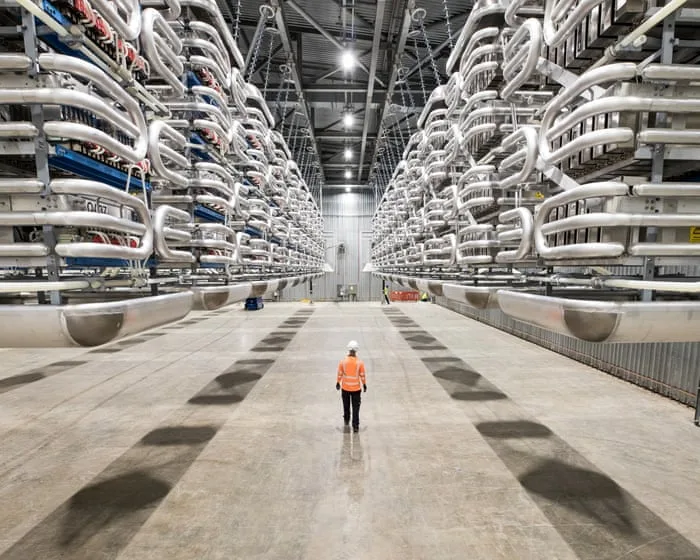
A summer of heatwaves, however, has highlighted European grids’ reliance on those interconnectors – including seven between the UK and the continent – in an age of extreme weather and greater use of intermittent renewables.

On Thursday, another low-wind “heat dome” day, a fifth of power to the British grid was coming from the continent at 10am.

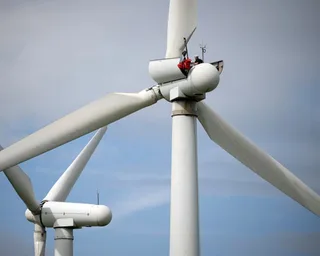
Cables from France alone were meeting 11%, or 3.54 gigawatts, of demand, or more than twice as much as the output at that time from the UK’s entire fleet of windfarms.

Continue reading...

Read the full article on The Guardian Business ›

5News aggregated this summary from the outlet’s public feed. The full article, with all the context, is on www.theguardian.com — the content belongs to The Guardian Business.

More from The Guardian Business

See all ›

More in Business

See all ›