I live in the ‘coolest neighbourhood’ in the world. It’s not as great as you’d think
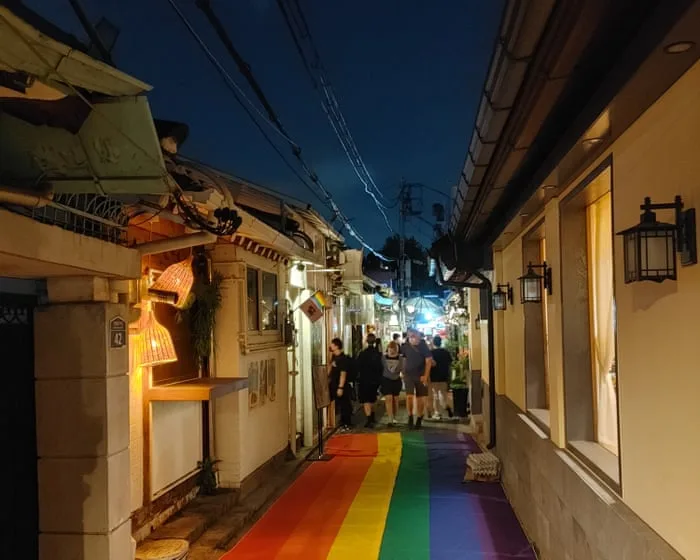
A wave of tourists and visitors has changed the character of the Seoul neighbourhood I live in and helped create a place that no longer feels like home
I n 2021, I was asked by Time Out to nominate a Seoul neighbourhood for its annual list of the world’s coolest. I didn’t think much of it and put forward the one I live in, Jongno 3-ga, in the old centre of the city. Somehow, it got ranked third.
This week, the same area was named the coolest neighbourhood in the world . I should be pleased, but instead, I’m devastated.
All these lists seem to celebrate the same idea of “cool”: expensive conceptual art galleries, high-end restaurants, and the sort of places that cater to a narrow demographic of people who read lifestyle magazines. Most cities have these places.
But when I moved to Jongno 3-ga, I chose somewhere that was the opposite: humble, raw and completely unpretentious.
I was first drawn to the neighbourhood 20 years ago, fresh out of school. I recollect with sweet nostalgia being one of the few tourists at a time when South Korea was not “cool”, and people often advised me against travelling there, confusing South Korea with North Korea.
There were no English menus, but restaurants were welcoming. Shopfronts were rusty but full of artisanry, while alleys that went nowhere and were slightly dilapidated felt cosy. There were men getting drunk over bottles of soju who occasionally got into a brawl, but nothing that ever felt particularly threatening. I felt at home and eventually made it my home.
It was a refuge for society’s rejects: people with nowhere to go, some of the poorest in Seoul, residents of the city’s tiny-room settlements and people with disabilities. In Tapgol Park, elderly women sold sexual services to older men in plain sight. Outside the park, pensioners played janggi, Korean chess, on the pavement. Around them lived musicians and artists. In Jongno 3-ga, everyone was welcome.
For years, the pojangmacha , the street-food tents that serve everything from fried squid to kimchi pancake, catered to older people drinking through to the early evening. Then at some point – around 9pm – there was an unofficial handover to the gay scene.
South Korea is socially conservative and the LGBTQ+ community is still very much frowned upon . But come the weekend, hundreds of excited men of all ages came to let off steam out in the open, as well as in one of the area’s more than 100 gay bars and karaoke rooms. Jongno 3-ga was a place where people could be themselves, without fear of being outed, harassed or judged.
None of that was cool. But that was the entire point: people could mind their own business in a safe haven amid a culture addicted to consumerism and keeping up appearances.
That all changed after Covid. The street barbecues and pojangmacha are still there, but now they have queues, some up to an hour long. People line up for a seat, take their Instagram shots, and the neighbourhood that used to hide people has become a place to be seen.
With the crowds came the displacement. Gay patrons no longer take over the streets at night. The older drinkers have largely gone. The sex workers have been pushed out.
5News aggregated this summary from the outlet’s public feed. The full article, with all the context, is on www.theguardian.com — the content belongs to The Guardian UK.