Data center noise is a contentious societal issue. How is sound regulated?
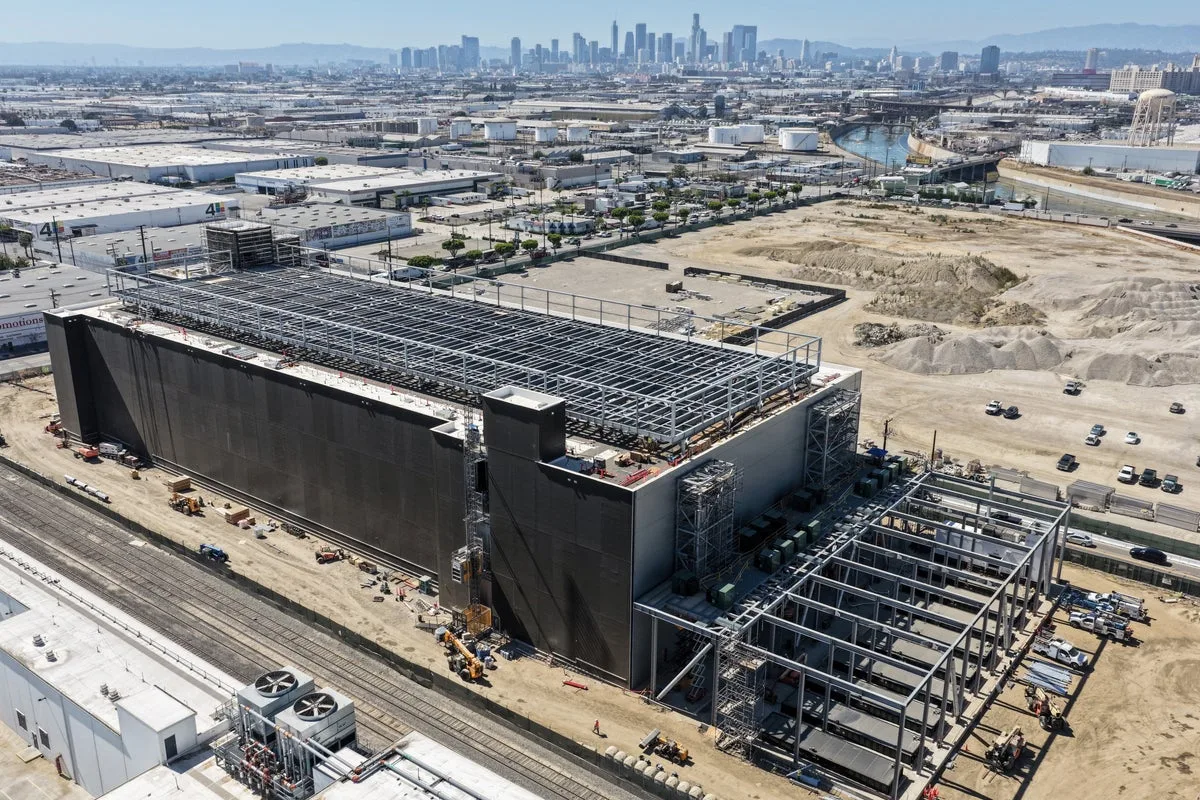
In the United States, areas such as Michigan have been hotspots for residents pushing back against data centre construction in their neighbourhoods. Now, similar concerns about noise – and potential health impacts – are gaining traction in Australia .
But we currently have very little data to link environmental noise from data centres to health effects. And we also can’t assume the U.S. and Australia impose the same limits on industrial noise.
So, what do we know about the noise these large data storage facilities produce? And is this noise actually bad for our health?
Data centres have existed for decades. But something has changed, and this essential infrastructure is now at the centre of a major policy debate.
This article is part of The Conversation ’s series on data centres – what they are, why we need them, and why they’re suddenly so controversial.
Decibels (dB) are units that measure sound intensity. But when talking about how the human ear actually perceives that sound, we use a weighted scale: dBA.
For context, the sound of leaves rustling is about 30dBA, background music about 60dBA and average office noise around 70dBA.
Noises like these, below 70dBA, are generally considered safe for our health even if we are exposed to them in the long term.
But hearing damage can occur at higher levels. For example, in Australia workers must not be exposed to noise at 85dBA (the sound of a lawnmower or leaf blower) for any longer than eight hours, to prevent hearing damage.
According to the World Health Organization ( WHO ), excessive noise is also linked to conditions such as high blood pressure, heart disease and sleep disruption.
The industrial noise data centres produce is typically described as a low-frequency hum.
Data centres need to continuously manage the heat they generate. This cooling requires large air-handling units (which regulate and circulate air), air-cooled chillers and cooling towers, as well as pumps to circulate water – all of which produce noise.
Data centres also have backup generators. These are used when there is a disruption to the power supply, or for a few minutes of testing during a maintenance check.
Both the air-handling units and the backup generators can produce noise levels above 85dBA within the facility.
5News aggregated this summary from the outlet’s public feed. The full article, with all the context, is on www.independent.co.uk — the content belongs to The Independent Health.