Stolen shoes, sabotaged cars and licked faces: How marmots are causing havoc for hikers in America’s West
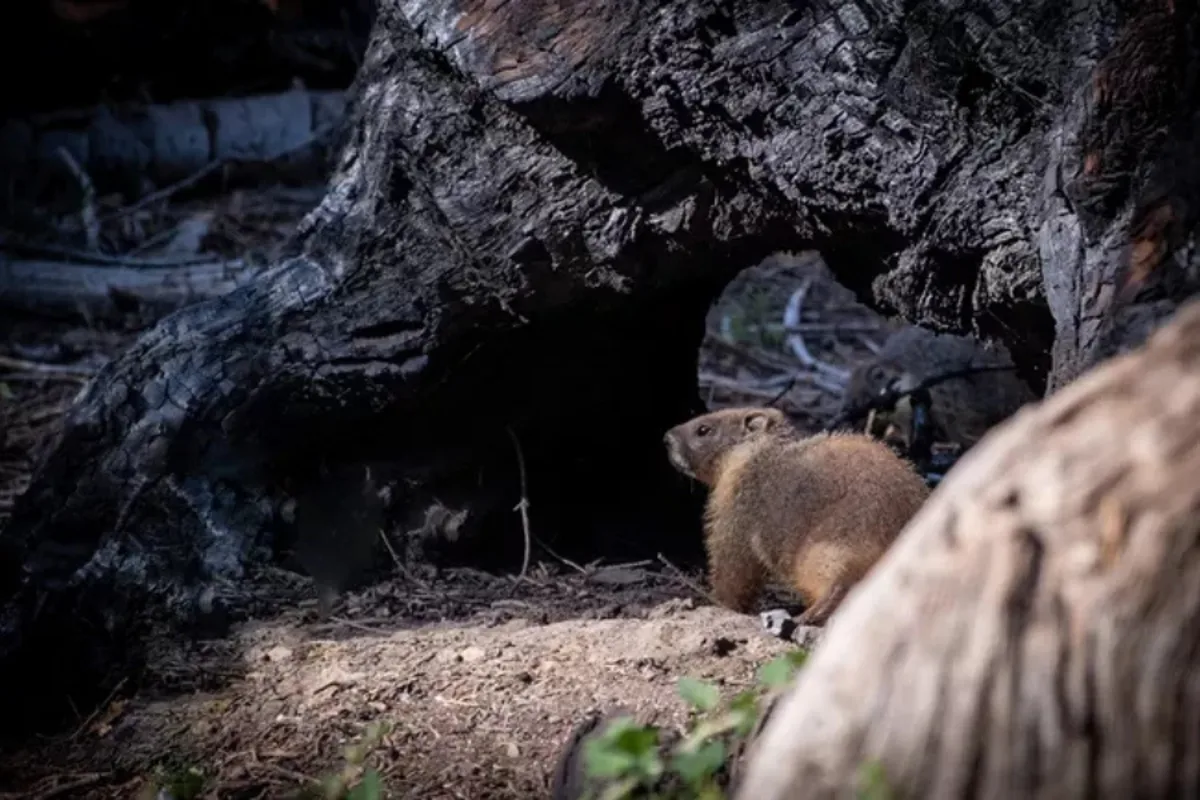
Cute but cunning, yellow-bellied marmots are wreaking havoc on hikers and campers in California’s Sequoia National Park, stealing shoes and backpacks, chewing through gear and even disabling vehicles.
The ground squirrels, which can grow as large as small dogs , are a notorious nuisance in Mineral King Valley. The National Park Service even warns visitors entering the remote, 7,800-foot-high area: “You are entering Marmot Country.”
Marmots are common in Sequoia and Kings Canyon National Parks, especially at higher elevations. But their mischievous streak peaks from May to mid-July, when they swarm trailheads and parking lots seeking food and salt.
For hikers, encounters can be startling. Andrew Reinhart, a 28-year-old engineer from Livermore, California, woke from a nap after a mountain hike last month to find a marmot’s wet tongue in his ear.
“It scared the s*** out of me,” Reinhart told the Wall Street Journal . “You don't expect to get licked when you go to sleep in the woods.”
Other hikers have lost gear. Jeff Weit, 66, now ties his shoes together after a marmot previously stole one. He later spotted the animal peeking at him from behind a log.
“I reached underneath the log, and there was my shoe!” Weit told the WSJ . “You have to treat your shoes like bear food.”
Nitin Gupta, 31, said a large marmot once stole his hiking pole and charged his girlfriend when she tried to take it back.
“I heard this almost war cry,” Gupta said. The hikers eventually gave up the pole.
Marmots can crawl under vehicles and into engine compartments, chewing radiator hoses and electrical wiring and drinking fluids. The damage can leave cars stranded in the remote park. One hiker featured in the WSJ had to pay more than $1,000 for a tow after a marmot damaged his vehicle.
The animals ’ attraction to salt may explain some of their behavior. UCLA marmot expert Dan Blumstein said they seek salt on sweat-stained backpack straps and hiking poles and are also drawn to fluids and materials around vehicles.
For years, visitors used chicken wire to protect their cars, but marmots learned to get around it. The NPS now recommends a more unusual defense: wrapping vehicles in plastic tarps.
Visitors can drive over a tarp and wrap it around the vehicle, including the wheel wells, to keep marmots from crawling underneath. The NPS also recommends checking vehicles for damage and inspecting under the hood before starting the engine.
The marmot threat appears to have eased, though the park did not keep an official tally of vehicle damage, the WSJ reports. With peak season over, officials say tarping is no longer necessary, but Samantha Weldon, manager of the Silver City resort, still recommends it for multiday hikes.
5News aggregated this summary from the outlet’s public feed. The full article, with all the context, is on www.independent.co.uk — the content belongs to The Independent World.