Skylab completists, clear some shelf space for 26 DVDs
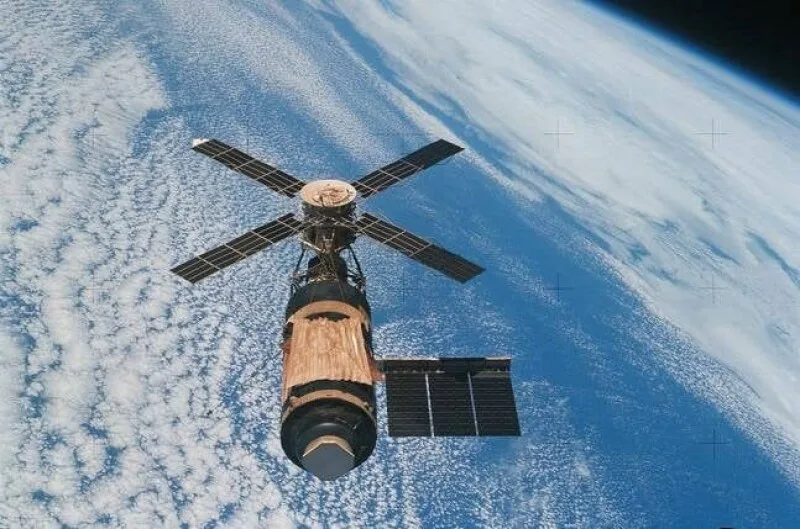
The team behind the Searching for Skylab documentary is releasing almost every surviving piece of video it could find from the mission.
The collection will span three volumes and 26 DVDs, including an updated version of Searching for Skylab, which we reviewed in 2019.
It gathers almost everything the team could find that was downlinked from the station or returned to Earth aboard the three Apollo spacecraft that visited it.
Interested in the prelaunch preparations, briefings, and launch itself? It's all there.
How about the efforts to make the station habitable after a solar array and shield were torn off during launch? Yep – that's there too.
That time the crew tested maneuvering equipment inside Skylab that would become the Manned Maneuvering Unit used during early Shuttle missions? Also there.
Skylab was NASA's first space station.
Launched in 1973 aboard the final Saturn V to fly, its orbital workshop was based on the S-IVB rocket stage.
The mission almost ended in disaster when one solar array and the station's micrometeoroid shield, which also served as a sunshade, were torn away during launch.
The first crew deployed a parasol to protect the station from the Sun and freed the remaining solar array, which had been pinned down by debris.
Three crews visited the station, with the last returning to Earth in 1974.
Skylab re-entered in 1979, scattering debris across a sparsely populated part of Western Australia.
Rather than an expanded cut of Searching for Skylab, the collection is a companion archive aimed squarely at completists.
Those seeking an accessible introduction to the missions should start with the documentary; these discs are for viewers who want the surviving footage in all its raw detail.
5News aggregated this summary from the outlet’s public feed. The full article, with all the context, is on www.theregister.com — the content belongs to The Register.