I tested ChatGPT against Copilot in Microsoft Word
Microsoft Word has spent the past few years getting increasingly acquainted with AI.
Copilot can already draft text, rewrite passages, summarize documents, and answer questions about whatever you have open.
Microsoft has even been rolling out more advanced editing capabilities that let Copilot make broader changes directly inside a document.
Now there is another AI sitting in Word.
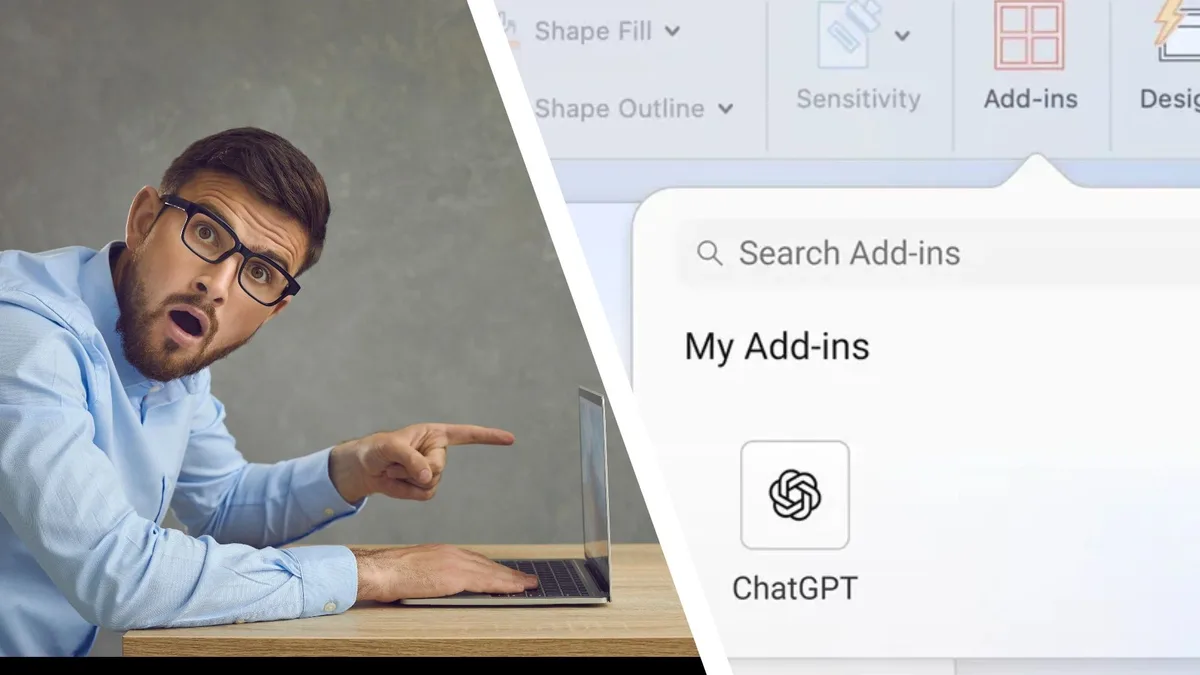
OpenAI launched ChatGPT for Word, via a plug-in, on September 17, putting a ChatGPT sidebar directly inside Microsoft's word processor.
It works across ChatGPT's plans, including Free, although your normal ChatGPT usage limits still apply.
That creates a slightly peculiar situation.
Microsoft has spent considerable effort building Copilot into Word, and now I can install its most famous AI rival in the same application.
Naturally, I wanted to see which one I would actually reach for.
I came away liking both, although for rather different reasons. (Image credit: OpenAI) Installing ChatGPT in Word is straightforward, although there is one extra step compared with Copilot if Microsoft's assistant is already part of your Microsoft 365 setup.
OpenAI's ChatGPT add-in is available through Microsoft Marketplace .
Once installed, you can open it from the Word ribbon, sign-in to your ChatGPT account, and have the familiar chatbot appear in a sidebar.
The integration works with ChatGPT's Free, Go, Plus, and Pro plans, with the usual usage limits applying to each.
The big difference with regular ChatGPT is that all conversations inside Word are separate from the ones in the regular ChatGPT app, and ChatGPT's memory does not follow you into Word either.
5News aggregated this summary from the outlet’s public feed. The full article, with all the context, is on www.techradar.com — the content belongs to TechRadar.