Kremlin's war on the global web turned VPNs into Russia's new national utility, study finds
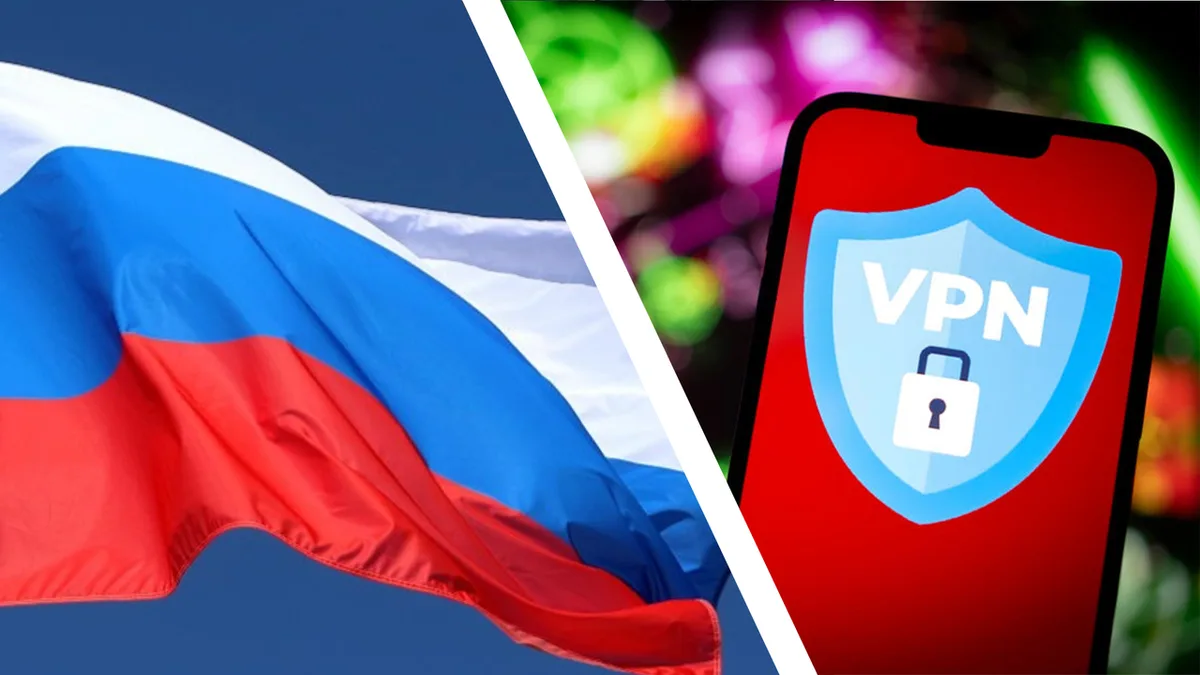
Russians consider VPNs an essential domestic utility, RKS Global says Community groups promoting shared use of VPNs are growing Users also rely on multiple VPNs to counter regular crackdowns Russian citizens are increasingly viewing VPNs as a regular line item in their household bills as they create new forms of cooperation to counter censorship, a recent study by Eurasian digital rights organisation RKS Global has found.
Recent laws restricting internet freedoms, along with intensified crackdowns that recently disrupted dozens of circumvention tools , are turning the best VPNs into an essential domestic utility, as citizens treat their costs as essential as mobile internet and routine bills such as electricity and gas.
Against a backdrop of constant outages in Russia's mobile infrastructure — leaving the population in constant fear of unpredictable “digital darkness” — citizens are also banding together in solidarity groups to boost ways to circumvent the country's blocking measures. (Image credit: Future) NEW : Leave No Trace — A weekly newsletter on digital privacy and online surveillance.
Leave No Trace investigates the companies and governments putting our digital freedom at risk — and the people fighting back. 📩 Subscribe now to get every edition delivered to your inbox every Friday, launching this September.
A community-led approach The study drew on focus groups made up of ordinary users, civic activists, and Amnezia VPN ’s head of user support to analyse the online behaviour of VPN users in Russia and their attitudes towards censorship.
The findings suggest that people are forming a variety of small and large mutual-aid networks when making cybersecurity decisions, starting with which virtual private network (VPN) tool to use.
Furthermore, VPN users are happy to act as nodes to help spread the service, sharing keys with relatives and loved ones to create a shared infrastructure that connects multiple devices to a single VPN account and allows an entire family to access it.
Some have created cooperatives of dozens of people, connecting family members and personal contacts in exchange for a subscription fee that covers server costs.
VPNs in Russia: User Adaptation to CensorshipAnalyzing how users adapt, an RKS Global & Witness RC study shows people helping each other set up VPNs and refusing to buy state narratives.https://t.co/16N8Fc7YM0 August 24, 2026 Manzay Banzaev, founder of Amnezia VPN, tells TechRadar these solutions are indeed widely used by self-hosters who have set up their own VPN servers using its free open-source app.
5News aggregated this summary from the outlet’s public feed. The full article, with all the context, is on www.techradar.com — the content belongs to TechRadar.