NEC drops its quantum computing work, marking an end to nearly 30 years of development
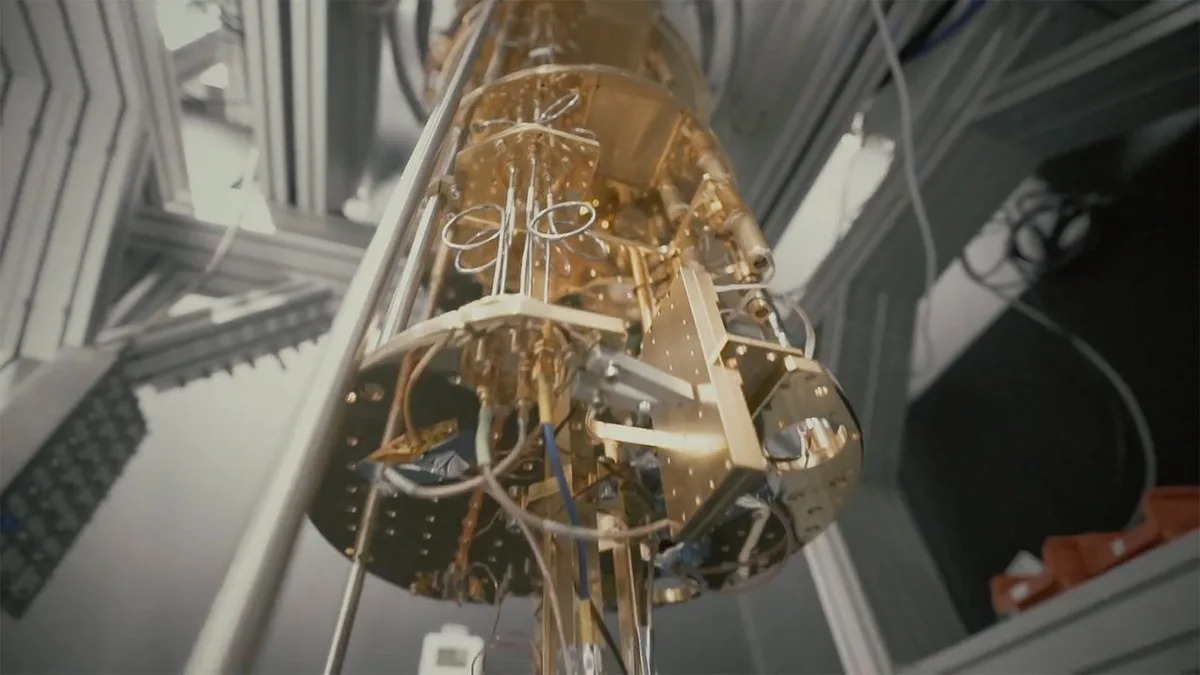
NEC has reportedly ended quantum hardware development after nearly three decades of research Several NEC quantum researchers have reportedly moved to rival Fujitsu NEC once ranked first globally in semiconductor sales in 1990 NEC has reportedly stopped building physical quantum computers after roughly three decades of research into superconducting circuits and solid-state qubit technology.
The Japanese technology company is instead expected to concentrate on quantum applications while avoiding the costs associated with developing physical machines.
Several engineers connected to the initiative, including a senior research figure, subsequently moved across to rival firm Fujitsu to continue their work.
A legacy built on chip dominance NEC once dominated the global chip industry, ranking first worldwide in semiconductor sales back in 1990, ahead of several rivals.
Companies such as Hitachi, Toshiba, Fujitsu, Motorola and Intel all trailed well behind NEC's chip business throughout that period.
Intel eventually surpassed NEC as personal computer processors grew into a massive and highly profitable segment of the global electronics market.
NEC's 1999 breakthrough in superconducting qubits emerged from a firm that possessed vast internal expertise in solid-state device engineering and manufacturing.
Its researchers produced the earliest known solid-state qubit, a milestone still referenced widely across the quantum computing field.
Variants of that early breakthrough now quietly underpin quantum processors currently built separately by both technology giants Google and IBM.
Unlike NEC, IBM remained committed to quantum hardware and grew into a leading global developer of quantum computing systems overall.
That contrast makes NEC's exit relatively rare among the original corporate pioneers of quantum computing hardware development.
A retreat that took nearly a decade NEC did not exit the semiconductor business overnight; the retreat instead unfolded gradually across roughly a full decade of restructuring.
The company effectively abandoned its DRAM memory operations in 1999, folding them into a joint venture that was later renamed Elpida.
In November 2002, NEC spun off its remaining chip units, covering microcontrollers and system-on-chip devices, into an entirely new firm.
5News aggregated this summary from the outlet’s public feed. The full article, with all the context, is on www.techradar.com — the content belongs to TechRadar.