USAF will upgrade F-16s ' computers to keep venerable Falcon fighters flying until the 2040s — popular 4th generation aircraft will have flown almost seven decades by the time they retire
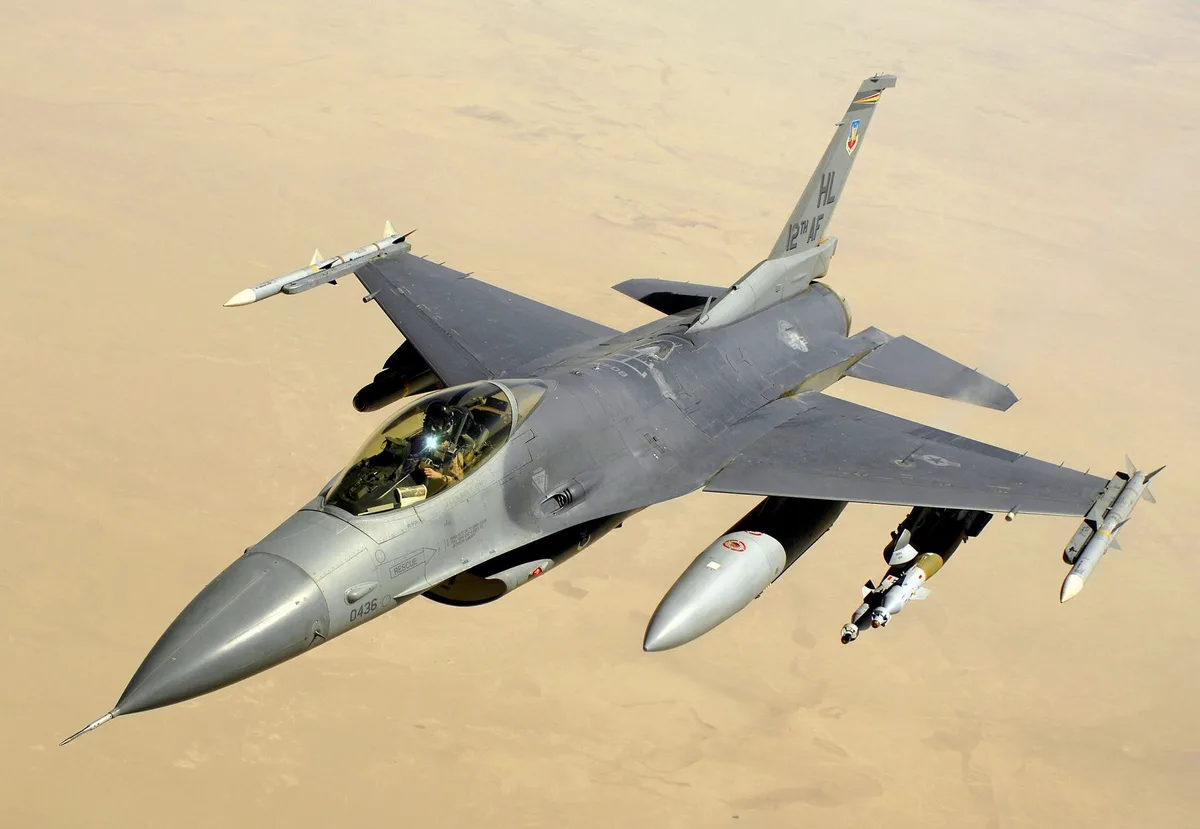
The US Air Force is seeking a 'Next-Generation Mission Compute' offering to replace the brain of its F-16 Block 40/42/50/52 jets The notice calls for open, swappable hardware that physically separates flight-safety and mission computing, with room for GPUs and AI Officials say these jets will serve into the 2040s, roughly seven decades after the F-16 first flew in 1974 The US Air Force is shopping for a new brain for its F-16 Fighting Falcons.
The Air Force Life Cycle Management Center F-16 program office will brief companies at Wright-Patterson Air Force Base in Ohio about a Next-Generation Mission Compute system to replace the Modular Mission Computer in Block 40, 42, 50, and 52 jets, the core of the service's Viper fleet.
Demand for these is sky-high: all 24 one-on-one sessions with the program team were booked by September 24 2026, and an October 8 update limited sensitive sessions to firms certified to receive export-controlled data.
The upgrade itself is an intention, essentially being explored rather than commissioned, with a funded program behind it and no request for proposals having been issued by the USAF just yet.
Not the Viper's first major brain transplant The USAF sources sought notice is rather candid about what the Air Force wants to leave behind.
It calls Next-Generation Mission Compute (NGMC) "a strategic pivot from the current, monolithic avionics architecture" toward a software-defined design built on the Modular Open Systems Approach, with hardware meeting Sensor Open Systems Architecture (SOSA) standards.
In a nutshell, it wants a more modular, modern system at the heart of one of its best-performing, albeit aging, craft; it prefers commercial off-the-shelf modules to custom cards and wants to break vendor lock so future processor and storage upgrades can come from many suppliers rather than one.
The proposed solution must also be a drop-in: NGMC must fit the existing computer's space and, where possible, its wiring, and it must rehost the legacy Operational Flight Program (OFP), the software that defines what the jet can do.
This is no small feat, considering that in 2017 the Air Force told C4ISRNET the F-16's computer ran about six million lines of code, and given the nature of the task, failure mid-flight is not really an option.
The AI component also sticks out: Respondents were asked how they would expand processing, storage, GPU and AI/ML resources to keep the chassis useful for years.
That is a request for headroom, not a mission, and comes with scant details: nothing published says what an AI accelerator would actually do aboard a Viper, and the detailed requirements sit in an export-controlled attachment that is not public.
5News aggregated this summary from the outlet’s public feed. The full article, with all the context, is on www.techradar.com — the content belongs to TechRadar.