I asked Meta's Muse AI to save me $1,000
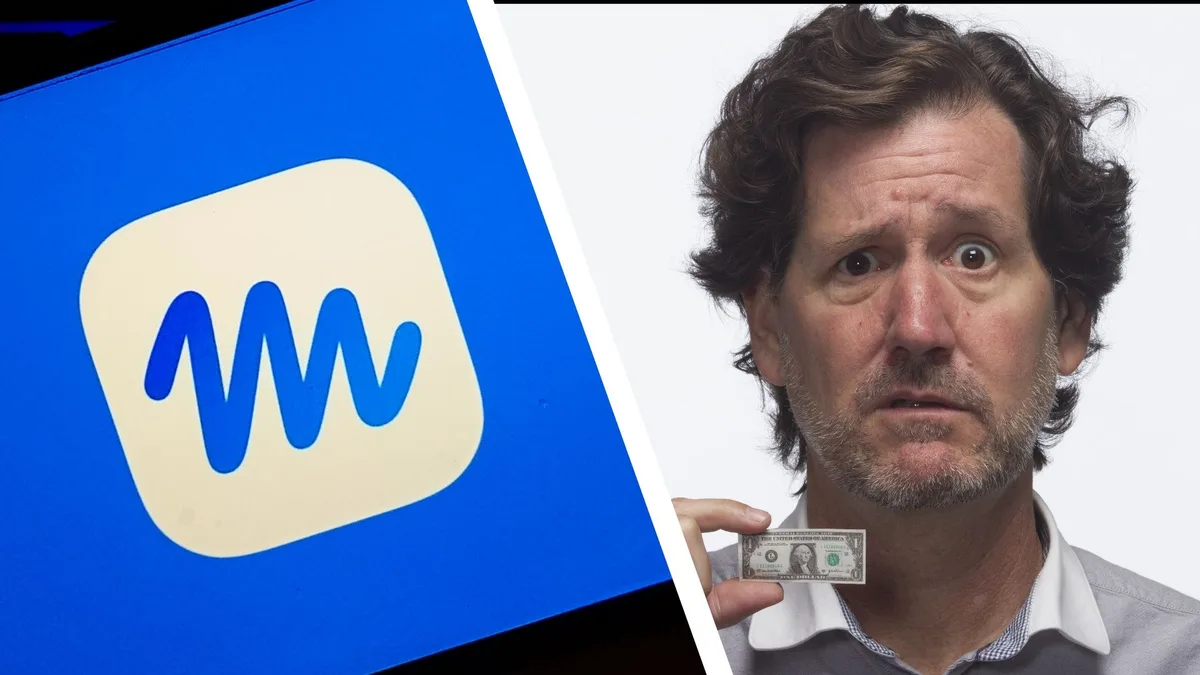
Saving $1,000 sounded pretty good to me.
I wasn't entirely sure where Meta's Muse AI was supposed to find it, but Meta's chief AI officer, Alexandr Wang, and the #MuseMoneyChallenge sounded pretty encouraging about putting the company's new AI agent to work finding $1,000 in savings.
Some of the results shared so far make that target seem surprisingly plausible.
People have reported finding cheaper insurance, forgotten subscriptions, and even unused gift cards, although many of the early examples highlighted around the challenge have come from Meta employees. the last thing your unnecessary expenses see before your muse saves you $1000 pic.twitter.com/NwEO7nhmbK September 19, 2026 I decided to give it a try.
I was not expecting Muse to discover a forgotten Swiss bank account, but $1,000 seemed like a sufficiently concrete, if unlikely, target.
The results showed how impressive Muse can be, if you're willing to let it into your life.
Financial exploration by AI Muse is different from a conventional chatbot because it is designed to take action rather than simply tell you what you should do.
Meta says it runs on its own secure virtual computer with a browser, can connect to services such as email and calendar, and can handle tasks including filling out forms and dealing with customer service.
It can continue working after you close the app, although actions such as purchases and sending messages can require your approval.
That makes the money challenge more interesting than simply asking ChatGPT for tips on saving cash.
Telling a chatbot to help me save $1,000 would probably produce an earnest lecture about meal planning and canceling streaming services.
Muse can potentially go looking for the forgotten subscription itself.
I started broadly and told Muse I wanted it to find ways to save me money.
Muse requires a little commitment from the user.
5News aggregated this summary from the outlet’s public feed. The full article, with all the context, is on www.techradar.com — the content belongs to TechRadar.