AI vendors are turning to custom hardware as Microsoft winds back the clock on Windows
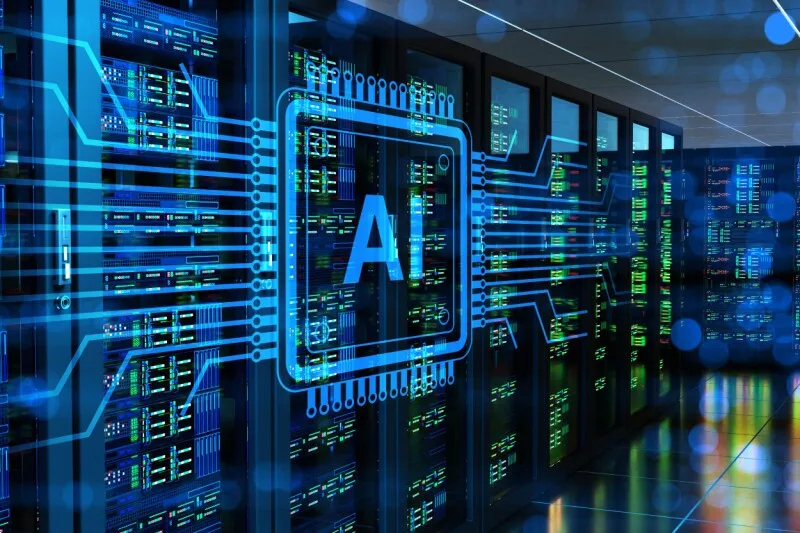
KETTLE This week, we learned a lot more about what’s going on inside the datacenter.
GPUs may still be king but their exclusive reign on the rack is over.
The taskbar's supremacy at the bottom of the desktop may be coming to an end too.
You can listen to the latest episode of The Kettle right here on this page, as well as on Spotify, Apple Music, or YouTube.
Those platforms also let you subscribe to Kettle, so you are always notified when the latest episode goes live.
Register Systems Editor Tobias Mann joins us to talk about why so many vendors are turning to alternate silicon from the likes of Cerebras and Marvell to help power their inference.
He also explains why Waymo is designing its own custom chips in robotaxis rather than continuing to use off-the-shelf silicon from Intel.
As new AI silicon moves forward, Microsoft goes back to the future by finally, after only five years of waiting, allowing users to move the taskbar in Windows 11.
It also has belatedly started giving users more control over context menus and given them a closer look at what their neural processing units (NPUs) are doing in task manager.
Register Microsoft Ecosystem Reporter Richard Speed weighs in.
A lightly edited transcript is below.
Avram (00:04) Hey everyone, welcome to this week's episode of The Kettle.
I'm Register US Editor Avram Piltch, and I am joined today by Tobias Mann, our Register Systems Editor, and Richard Speed, our Microsoft Ecosystem Reporter.
We're going to talk about some really exciting new developments in AI hardware and changes to Windows 11 that have been long overdue.
5News aggregated this summary from the outlet’s public feed. The full article, with all the context, is on www.theregister.com — the content belongs to The Register.