‘Ink’ review: Jack O’Connell makes headlines in thrilling The Sun origin story
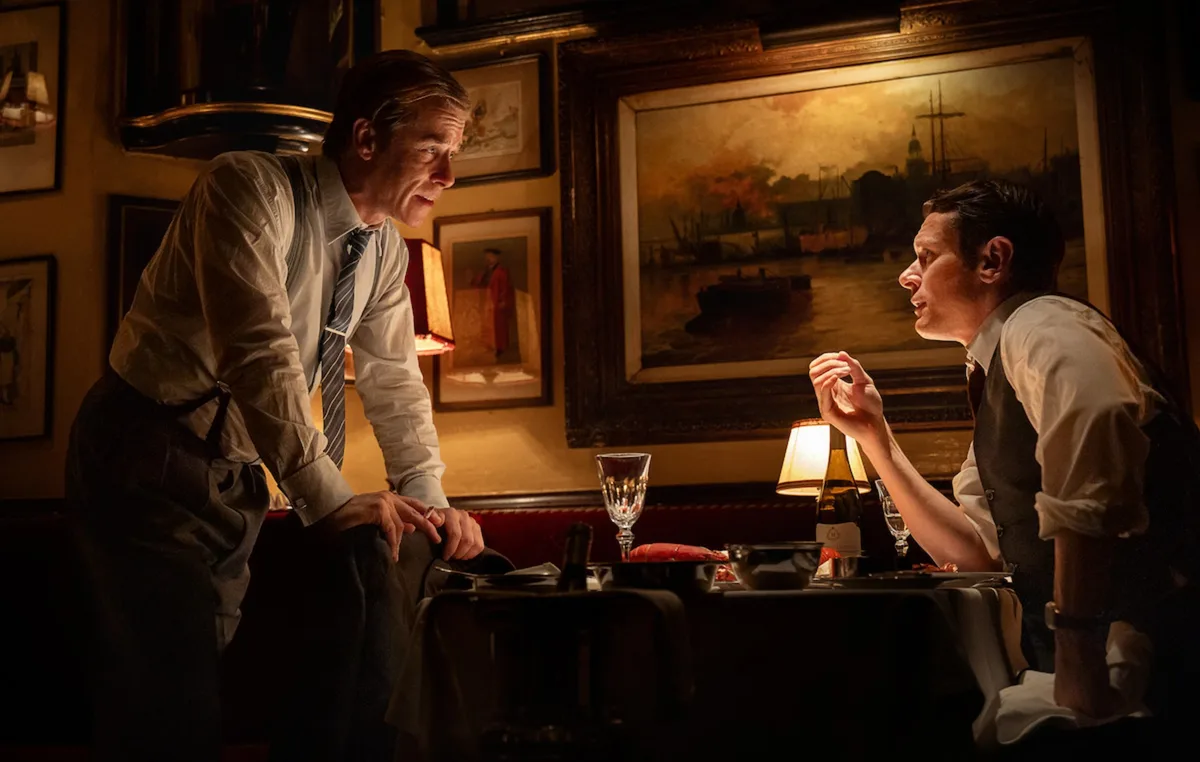
D irector Danny Boyle returns to the screen with Ink , a fast-paced drama-slash-biopic about the rebirth of The Sun, Britain’s divisive and biggest-selling tabloid newspaper.
Based on the acclaimed play of the same name by James Graham, it stars Jack O’Connell as editor Larry Lamb and Guy Pearce as publisher Rupert Murdoch.
READ MORE: The best films of 2026… so far! The film opens in 1969, not long before the Moon landing, with Murdoch recruiting Lamb and tasking him with creating a tabloid newspaper that will rival the sales of bitter rival The Mirror, which just so happens to be controlled by Lamb’s former mentor Hugh Cudlipp (Bertie Carvel).
Lamb duly recruits a crack team of journalists that includes his lover Jules Hopkirk (Claire Foy), photographer Beverley Goodway (Angus Imrie) and crime reporter Brian McConnell (Brian Gleeson).
Regardless of your feelings towards Murdoch and his controversial media empire, there’s an undeniable thrill in watching the paper take shape and the various pieces click into place, from the creation of the italicised logo (“At an angle, like Gene Kelly in Singin’ In The Rain”) to the deliberate sourcing of scandalous material including the serialisation of a banned book.
One key scene has Lamb urging his team to shout out things they like: boxing, television, the weather (which had never been written about in papers before) and, of course, sex.
The dialogue is delicious throughout, with much of it lifted directly from the source material.
In addition, the film is directed and edited in thrilling, urgent style, with scenes that feel like they are flying off the frequently featured printing presses.
O’Connell is simply terrific as Lamb, delivering a captivating, charismatic performance that could easily pick up some awards attention with a prevailing wind.
The film presents him as a bona fide genius, a man with a vision and the impressive ability to bring it to life, as well as a willingness to do the unexpected.
A scene where he drives to a small northern town to protest the banning of the paper is one of several highlights.
Pearce is solid as Murdoch, though he is given surprisingly little to do.
The scenes we do get don’t really tally with our expectations for the character either.
To that end, the most telling moment comes when he’s humiliated on television in an interview with David Frost (Nick Biadon), a slight that ignites an already burning desire for revenge against the establishment.
5News aggregated this summary from the outlet’s public feed. The full article, with all the context, is on www.nme.com — the content belongs to NME.