NHS gave woman 11 years of chemotherapy for cancer she did not have
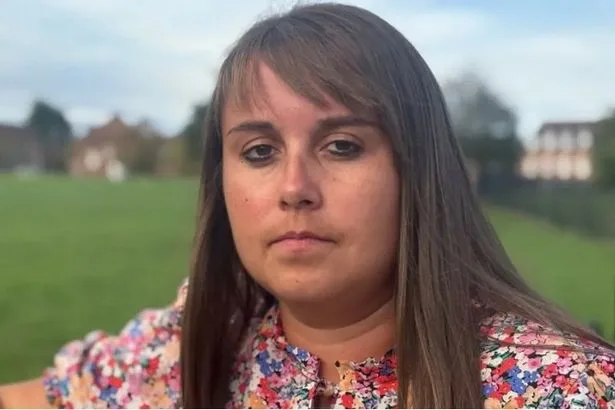
A young mum was repeatedly told she had cancer before doctors needlessly subjected her to more than a decade of aggressive treatments after the misdiagnosis.
21-year-old mum-of-two Becky Jones was only 21 when she was told by the NHS that she had a terminal brain tumour and only months left to live.
What followed was 11 years of chemotherapy and other aggressive treatments designed to quash her cancer , causing her to miss family events and even abandon her career. It has since been revealed that she never had cancer at all, but was suffering from an inflammation of the brain that could have been treated with a simple course of steroids.
Speaking to the BBC, the now 34-year-old said: “I was told time and time again that without the chemotherapy I would die.
“I never had a brain tumour. I was misdiagnosed, and I’ve gone through all this treatment for the main part of my adult life, for no reason.”
Ms Jones endured years of “horrendous” side effects from her multiple rounds of chemo, including constant nausea, stomach pains, and relentless fatigue.
Fears about infection meant she missed social events, avoided the gym, and stopped going out for meals with her partner. Her driving licence was also taken away, and later restricted.
The couple were told she could not become pregnant and that her two subsequent children had been “miracles”, until she received a call from a doctor in 2024 informing her that her treatment was coming to an end.
As it turns out, she's not alone. More than 40 patients in total have similar allegations of prolonged or unnecessary cancer treatments at the hands of the University Hospitals Coventry and Warwickshire (UHCW) NHS Trust. They have banded together and are now taking legal action against the NHS Trust.
Ms Jones alleges that University Hospital Coventry cancer consultant Professor Ian Brown, who is now retired, said she would need the chemotherapy drug temozolomide (TMZ) for the rest of her life. This advice was despite guidelines that recommend patients use the drug for six cycles within a six-month period.
“He’s just ruined my life, essentially,” she said, adding that her concerns over not being able to see the tumour in scan results were dismissed as the consultant said it would not be “visible to the naked eye”.
Ms Jones claims that when her chemotherapy treatment came to an end, the NHS gave her no reason why her treatment was stopping apart from the fact that Prof Brown was retiring.
Since it was announced in 2025 that cases connected to Prof Brown were being reviewed, another patient told the BBC that she believed being prescribed TMZ for years had made her infertile. Another claimed 100 unnecessary cycles of the treatment had actually given them leukaemia in the end.
Preliminary findings from a review by the Royal College of Physicians (RCP) suggested patients were routinely given prolonged courses of the drug with “little or no evidence of benefit”. As per a report viewed by the Telegraph, the RCP review found staff failings at the hospital amounted to a “betrayal of patient trust”.
5News aggregated this summary from the outlet’s public feed. The full article, with all the context, is on www.mirror.co.uk — the content belongs to The Mirror UK News.