Video game cheaters are spending $8.5billion a year, say Call Of Duty bosses
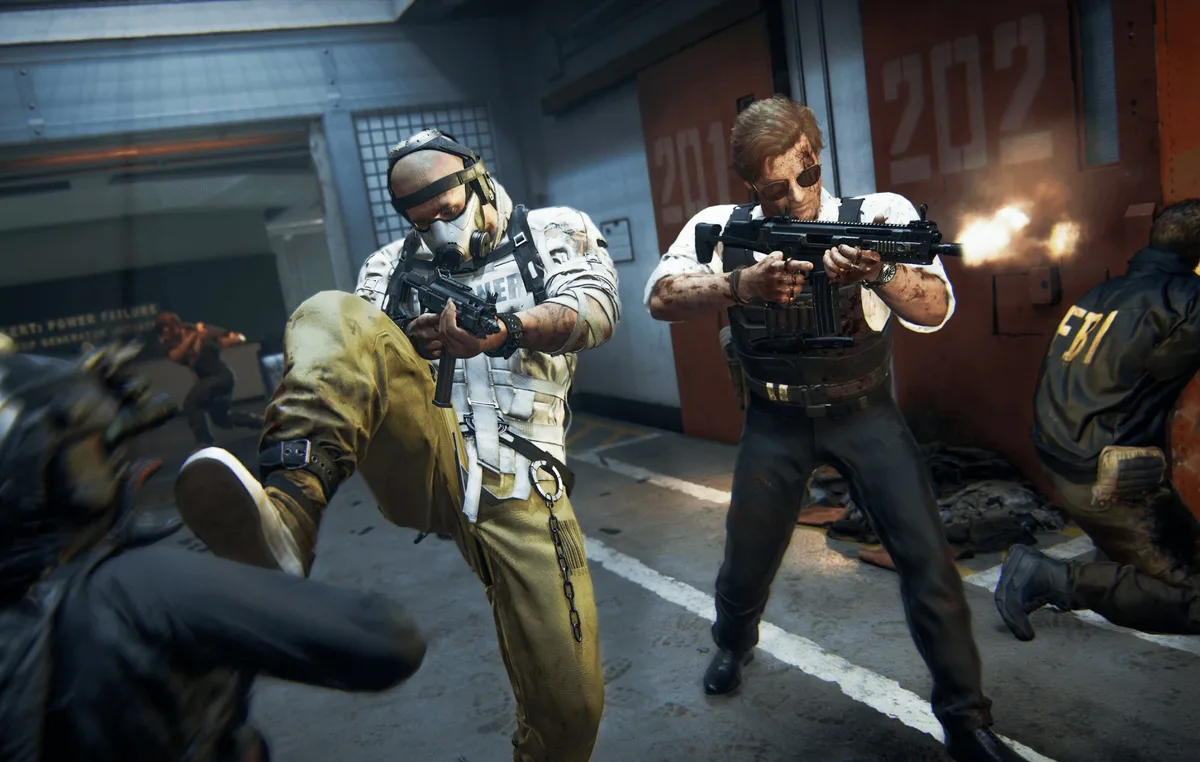
Call Of Duty developers Activision have published a new report claiming that video game cheats are spending $8.5billion a year.
READ MORE: ‘Beast Of Reincarnation’ review: the most forgettable game of 2026 The team behind Call Of Duty ’s anti-chear system Ricochet have shared a new blog post about the importance of stopping cheats.
According to the report, subscriptions to cheating software such as aim-bots (which give a player perfect aim) can cost between $40 and $100 a month, while paying for “spoofing” software to stop their accounts being banned brings the total to more than $1000 a year.
“A February analysis by the threat intelligence platform Intorqa estimated that cheat subscriptions across 15 games generate roughly $3.5 billion annually.
When adjacent industries such as account sales, boosting, spoofing, and other services are included, Intorqa forecasts the broader cheating economy at about $8.5 billion each year,” Activision wrote.
RICOCHET Anti-Cheat doesn't end when your match does.
Cheat makers operate around the world.
So do we.
We’re taking the fight directly to cheat sellers.
Last weekend during the Closed Beta, we went to Ohio to takedown Elocarry.
That’s not an isolated case… pic.twitter.com/IP69qlGgDD — Call of Duty (@CallofDuty) August 28, 2026 However new updates to their Ricochet anti-cheat software are designed to find the developers, and allows the company to take legal action against them.
“We’ve paired technical detection with sustained legal action to destabilize the cheat ecosystem at every level,” said Activision.
“We’ve disrupted more than 375 reseller operations, issued more than 80 cease-and-desist demands, and helped shut down 31 primary cheat vendors.” “Ultimately, cheating is a losing investment,” they continued.
“Every time we identify and remove a bad actor, the money they spent cheating goes with them – all for a temporary ego boost.
5News aggregated this summary from the outlet’s public feed. The full article, with all the context, is on www.nme.com — the content belongs to NME.