Wildlife and ancient trees destroyed by A31 wildfire
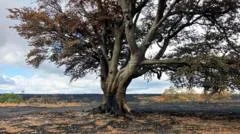
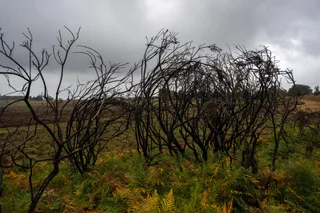
Ancient oak and beech trees, rare heathland and even wetland have been devastated by the recent fire that swept through the New Forest, a survey has found.
More than 1 sq km (247 acres) of the national park has been destroyed since the fire broke out on 9 August , Forestry England said.
The government agency found areas devoid of vegetation, dead wildlife and scorched bogs in an initial inspection of the damage.
Head of planning and environment Michael Pittock said: "It is devastating to walk around the area of the wildfire and see so much destruction.
"Without the remarkable response from the fire and emergency services it could have been so much worse."
Several centuries-old trees have been lost, as the fire penetrated their root systems, Forestry England said.
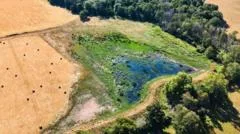
Bogs, normally resilient to heat, have been burnt and partially destroyed, it added.
The lost vegetation includes pillwort, a rare wetland plant with a New Forest stronghold.
In a rescue mission on Wednesday, amphibian and reptile experts found dead wildlife, but also some survivors which were collected and relocated.
Forestry England said recovery plans were based on the experience gained following a large-scale heathland fire in Wareham , Dorset, in May 2020.
Heather cuttings will be used to form a protective layer over the soil and start the restoration process.
The blaze started when a van caught fire on the A31 dual carriageway between Ringwood and Cadnam.
The road through the national park has since been closed for fire damage repairs and will not open until the weekend at the earliest, according to National Highways.
5News aggregated this summary from the outlet’s public feed. The full article, with all the context, is on www.bbc.co.uk — the content belongs to BBC News Science and Environment.