Oracle Exadata Database@AWS offers advantages, but trade-offs remain
As Oracle launches its Exadata service on Database@AWS — a year after it went live for lower-level databases — experts have warned there are trade-offs in getting value for money and cautioned over Oracle FUD around the cloud migration decision-making.
Earlier this month, Big Red announced the general availability of Oracle Exadata Database Service on Exascale Infrastructure on Oracle AI Database@AWS, which adds the beefed-up Oracle database to the service.
AWS was the last major cloud service to join the “database@” offer from Oracle, allowing the database and application biz to put its hardware inside the hyperscaler's datacenters.
Announced in 2024, Oracle Database@AWS can connect to applications running on Amazon Elastic Compute Cloud (Amazon EC2), AWS Analytics services, or AWS's advanced artificial intelligence (AI) and machine learning (ML) services, the vendor claims.
The service became generally available in July last year.
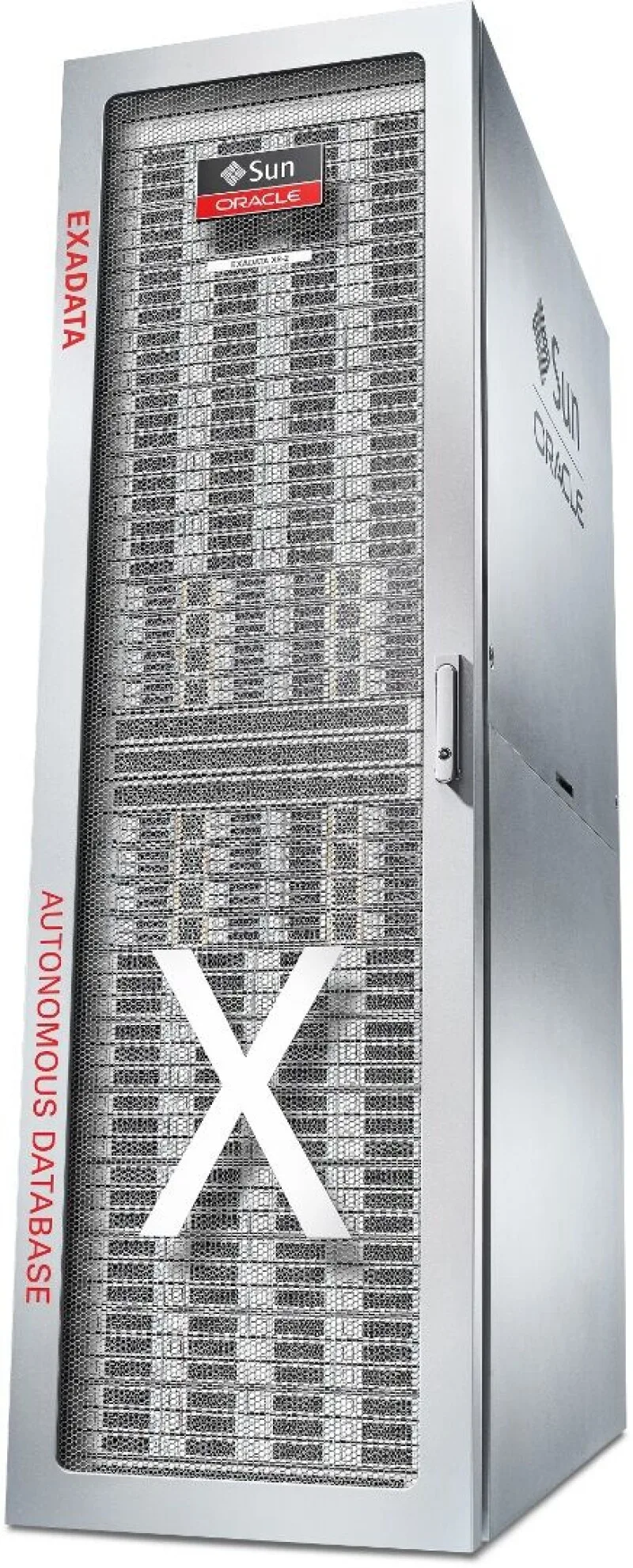
Oracle now says it is bringing Exadata – the engineered hardware and software platform for high-performance databases — to AWS.
The dominant cloud vendor has also signed a new long-term strategic collaboration agreement to help migrate customers.
Using Exadata allows customers to specify the compute and storage capacity they need, says Oracle, while spreading every database across pooled storage servers for high performance and availability, helping to avoid the burden of creating database and storage servers.
However, Oracle licensing and commercial experts have warned that there are still trade-offs when adopting the service and getting value for money.
While Database@AWS can be cheaper in terms of processors /CPU required than RDS, the compute and storage are more expensive and the service options are less granular, making it more difficult to right-size services, said Nick Walter, CTO and vice president of professional consulting services at House of Brick, an Oracle licensing advisory company.
“The Oracle Database@AWS offerings have been a constant topic of conversation with clients in the last year.
It's a complicated topic because the cost structures, minimum configurations, and licensing metrics are so different from running Oracle databases in AWS native services such as EC2 or RDS,” he said.
For the database@AWS service, licensing metrics can be better than going to EC2, in that for users bringing their own licenses (BYOL), one processor license is required per 8 ECPU ratio, in contrast with the traditional one processor license per 2 vCPU ratio when running in RDS/EC2.
Oracle's support rewards program can also offer good value.
5News aggregated this summary from the outlet’s public feed. The full article, with all the context, is on www.theregister.com — the content belongs to The Register.