ChatGPT has started dropping unexpected f-bombs — and I think I’ve found the reason why
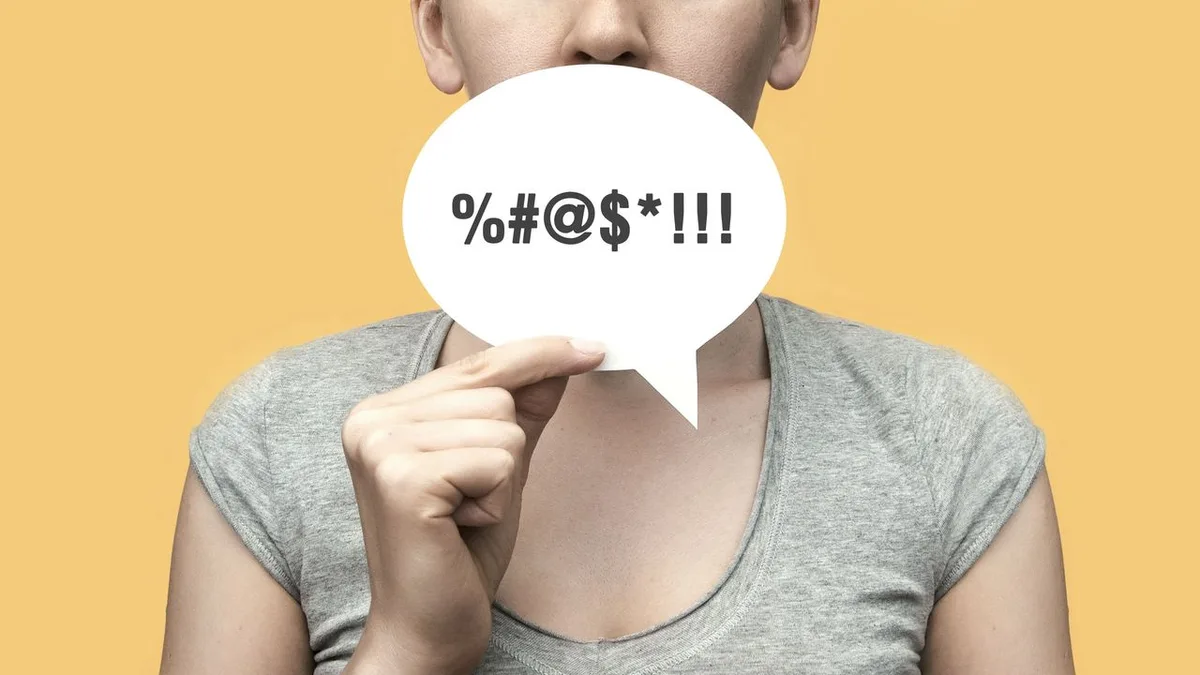
Have you noticed that ChatGPT has suddenly started dropping f-bombs? I have, and it seems that I’m not the only one.
It first happened in a casual chat, and it really caught me off guard.
We were discussing Netflix’s Jujutsu Kaisen and before I had sworn in our chat, ChatGPT used the f-bomb to describe a character’s actions as “f**** awful”.
Before that, I’d said things like “God damn,” in the conversation, but ChatGPT was the one to introduce the f-word.
It did so completely unprompted, to add emphasis to how awful the person was, and that strikes me as a big change in its personality.
I wondered if it was doing that for other people, so I asked around on the team and they’d noticed it too.
A quick online search turned up two Reddit threads almost immediately, from people who’d found the same thing .
It seems like in the last few days ChatGPT has developed a potty mouth.
I actually like it — I’m not offended and for me, it makes the conversation better — but I don’t think everybody wants this.
The question is, why has it started doing this now? Here comes the science The most interesting clue is that OpenAI's Model Spec , was updated this week.
They made it public and it explicitly says the default is to avoid swearing — but crucially, that's only a guideline rather than a hard rule.
And OpenAI says guidelines can be implicitly overridden by things such as “contextual cues, background knowledge, or user history.” Its own example is that asking ChatGPT to speak like a realistic pirate implicitly overrides the no-swearing guideline.
So, while I’d been having my informal conversation I’d passionately expressed the opinion that I didn’t care much for some of the characters in the show, and ChatGPT had matched the conversational tone, eventually leading it to start swearing.
That's consistent with a broader direction OpenAI has publicly acknowledged ChatGPT is moving in.
5News aggregated this summary from the outlet’s public feed. The full article, with all the context, is on www.techradar.com — the content belongs to TechRadar.