New law aims to stop overdoses with stiffer penalties as 8 states struggle to slow deaths
Want to bookmark your favourite articles and stories to read or reference later? Start your Independent Membership today.
Colorado continues to face an increase in overdose deaths while other states have seen a downturn.
Illicitly manufactured fentanyl , a potent opioid, emerged in the Colorado drug market around 2018. That was nearly five years after it began tormenting people who use street drugs in Northeastern states.
By 2019, fentanyl replaced other drugs as the driving force behind opioid overdoses in Colorado, and it has held its grip ever since.
But while overdose deaths in the U.S. are currently experiencing a historic decline of almost 14%, Colorado is one of eight states where rates are not dropping. In fact, Colorado has had an increase of nearly 12% in overdose deaths since April 2025.
Overdoses are top of mind for many everyday Coloradans, healthcare professionals, elected officials and public health experts like me.
Proposition 132 attempts to address these concerns by stiffening legal penalties. A conservative policy organization called Advance Colorado collected the signatures to get the initiative on the November ballot.
The proposed change to Colorado law would make possession of any amount of fentanyl a felony, require a mandatory minimum eight-year prison sentence for distribution of any quantity of fentanyl, and eliminate some existing opportunities for reduced penalties.
Before Coloradans head to the polls, it is worth examining the state’s overdose trends and considering whether Proposition 132 is likely to solve the problem.
Let’s start by looking at Colorado’s past attempts to stop drug overdoses through legislation. In recent years, the state has pursued some public health interventions but has leaned heavily on increasing criminal penalties for using and possessing fentanyl.
The 2022 Fentanyl Accountability and Prevention Act (HB22-1326), for instance, represented a major expansion of criminal penalties.
This law rolled back a 2019 law that had decriminalized small amounts of drugs. Specifically, HB22-1326 made the knowing possession of more than 1 gram and up to 4 grams of a substance containing fentanyl a Level 4 drug felony punishable by up to 180 days in jail and two years of probation.
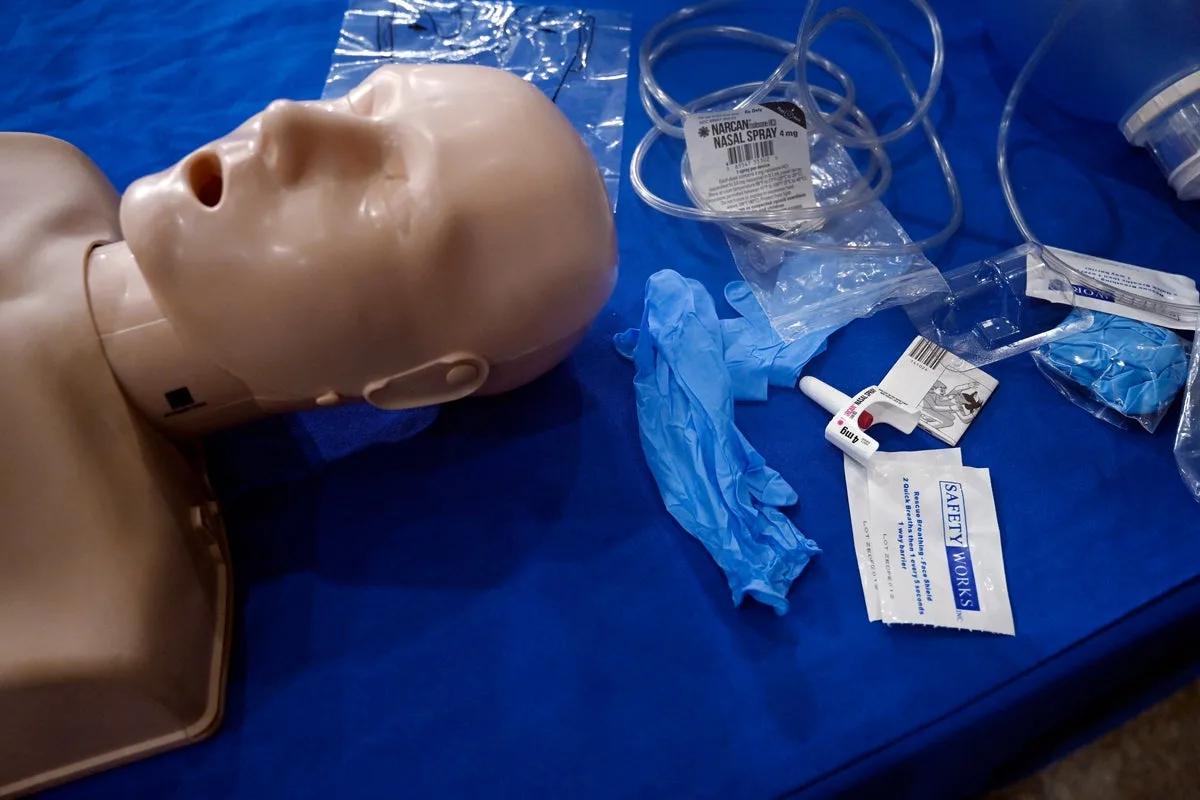
Unlike Proposition 132, the 2022 fentanyl act directed funding for the distribution of naloxone, an overdose reversal medication, and fentanyl test strips that help people identify fentanyl in their drugs before using them. Both naloxone and fentanyl test strips decrease the risk of fatal overdose.
The law did not direct funding toward evidence-based treatments such as methadone or buprenorphine for opioid use disorder.
5News aggregated this summary from the outlet’s public feed. The full article, with all the context, is on www.independent.co.uk — the content belongs to The Independent World.