"That sucker is open": U.S. gains the upper hand in the battle for Hormuz
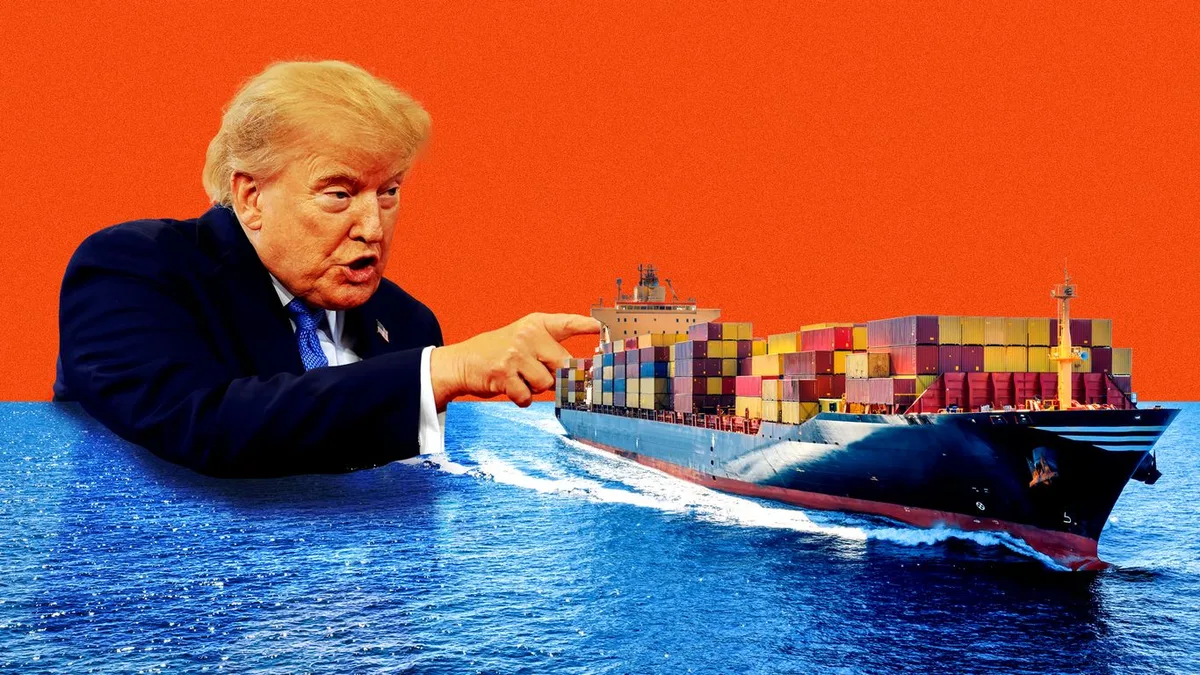
The Strait of Hormuz has been Iran's most powerful card since the start of the war in late February.
But over the past two months, U.S. officials say the American military has steadily eroded Iran's leverage over the crucial waterway.
Why it matters: What began six months ago with the goal of degrading Iran's missile capabilities and destroying what remained of its nuclear program has evolved into an open-ended fight over the world's most important energy chokepoint.
U.S. officials say they've turned the tide in the strait and believe it could be a watershed moment in the war that brings not only gradual relief to the world economy, but also a better deal with Iran.
"That sucker is open.
The Iranian response is very mild.
They don't want us to go back at them.
That's the whole ball game.
The rest doesn't matter," President Trump told Axios in a phone interview on Thursday.
Flashback: When the war began, the Strait of Hormuz was open, oil was flowing without interruption to global energy markets and Brent crude oil was trading at about $72 a barrel.
Behind the scenes: Two Israeli officials say the move to close the Strait of Hormuz was initiated by then-commander of the Islamic Revolutionary Guard Corps Navy, General Alireza Tangsiri.
In the first 72 hours of the war, Iran announced it was closing the strait and warned it would attack tankers that tried to transit.
But behind the scenes, Tangsiri gave an order that dramatically escalated the situation: to deploy naval mines in the Traffic Separation Scheme (TSS), the main international shipping lane through the strait, Israeli and U.S. officials say.
Tangsiri was killed three weeks later in an Israeli airstrike in Bandar Abbas, Iran.
5News aggregated this summary from the outlet’s public feed. The full article, with all the context, is on www.axios.com — the content belongs to Axios.